


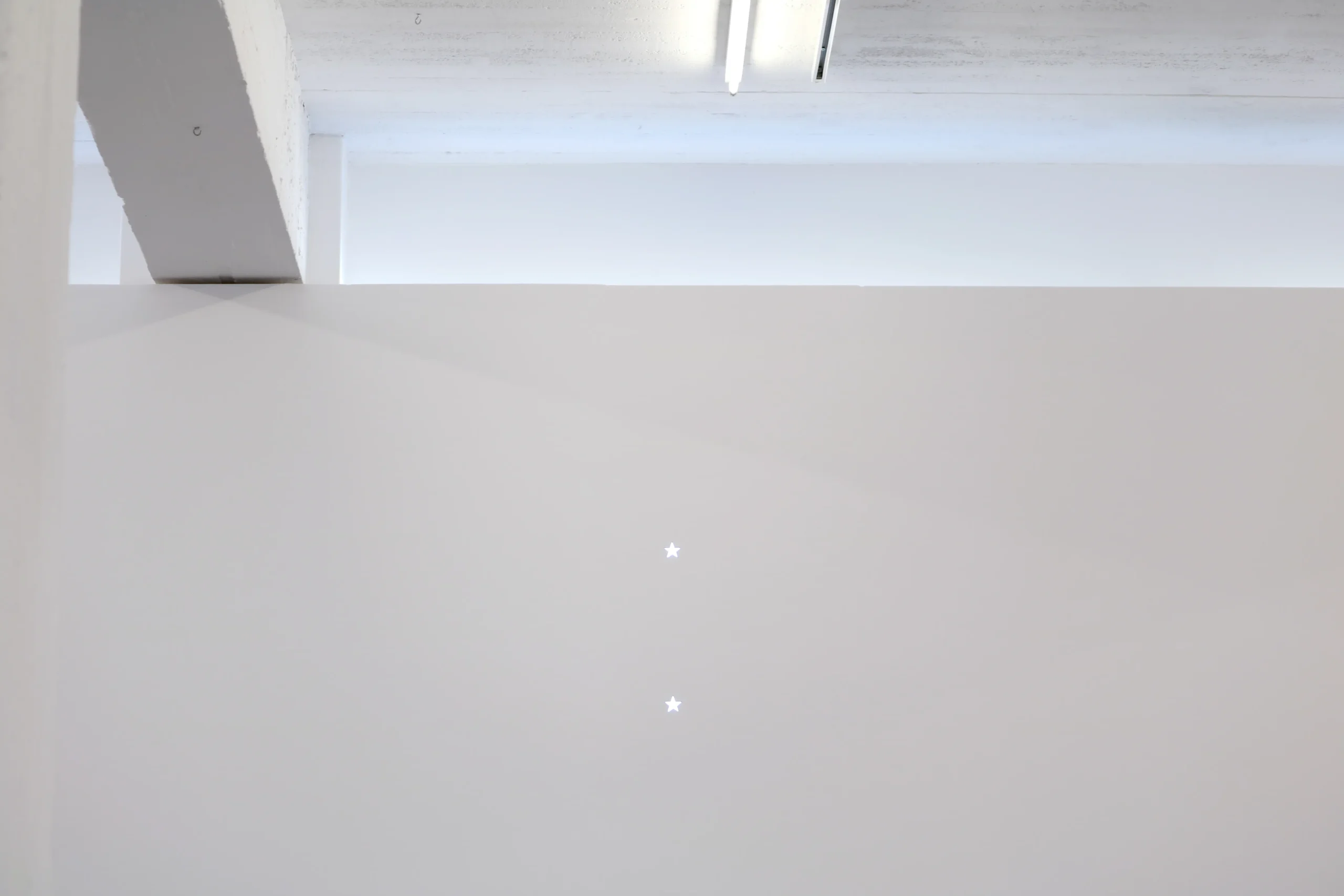
1:1
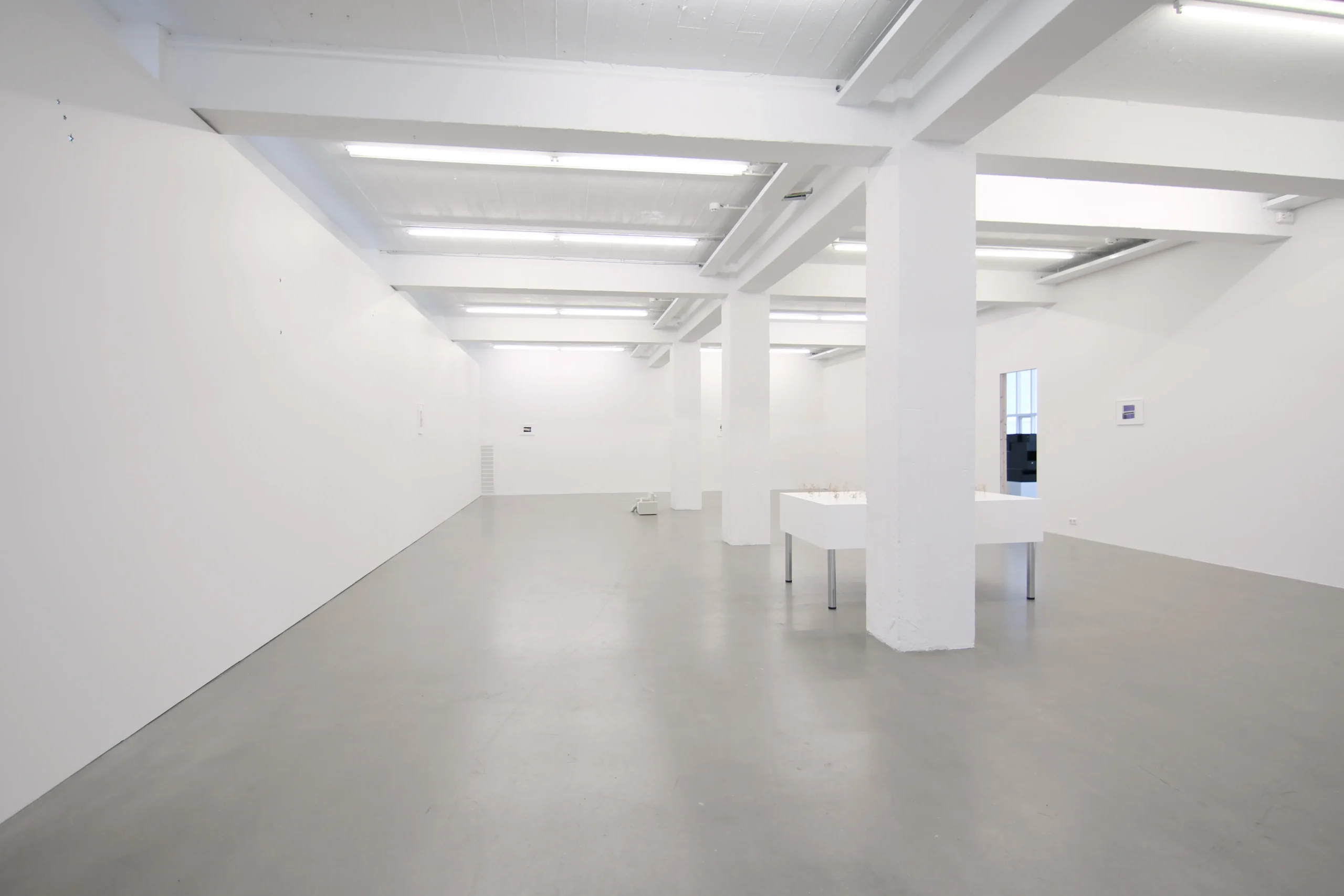
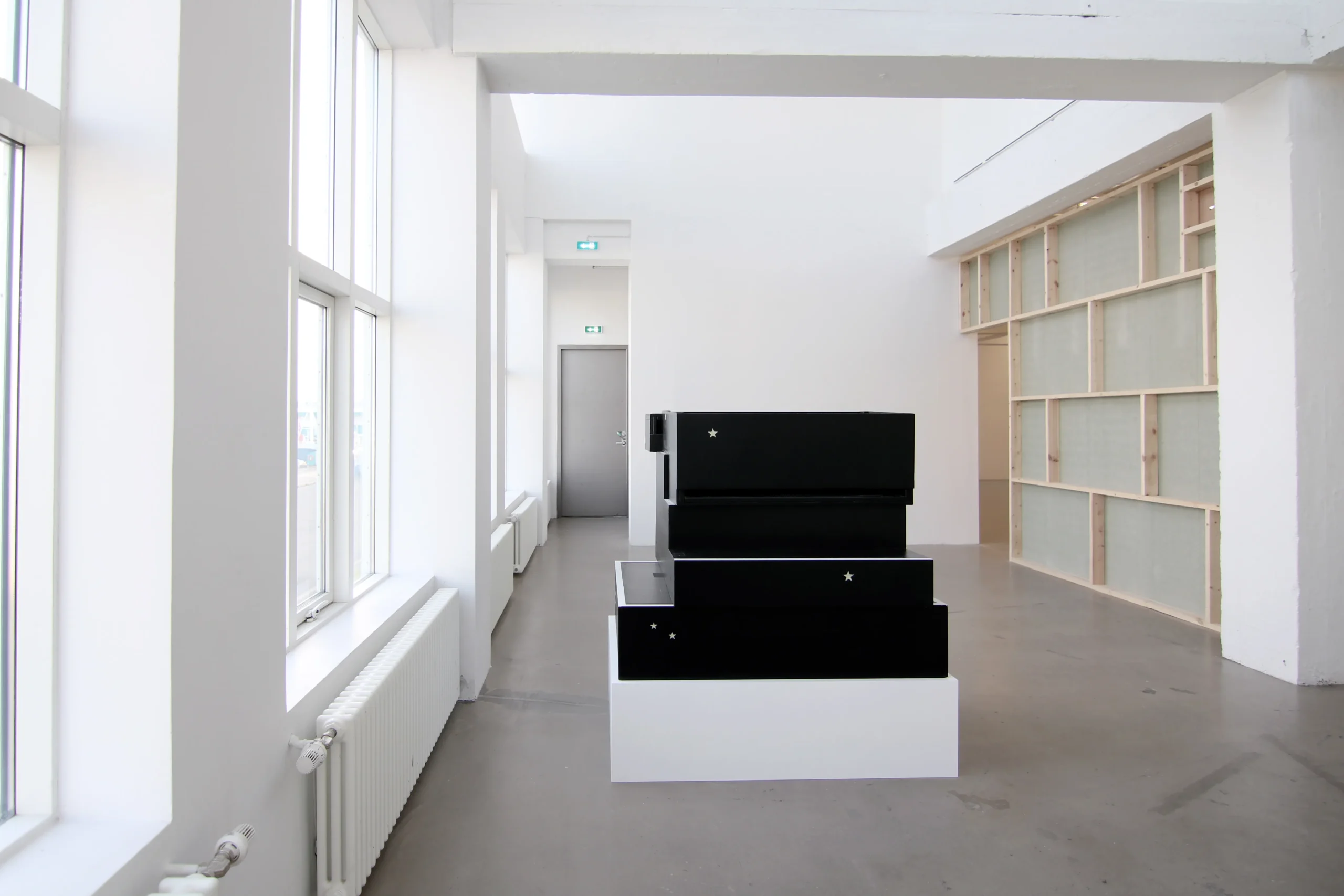
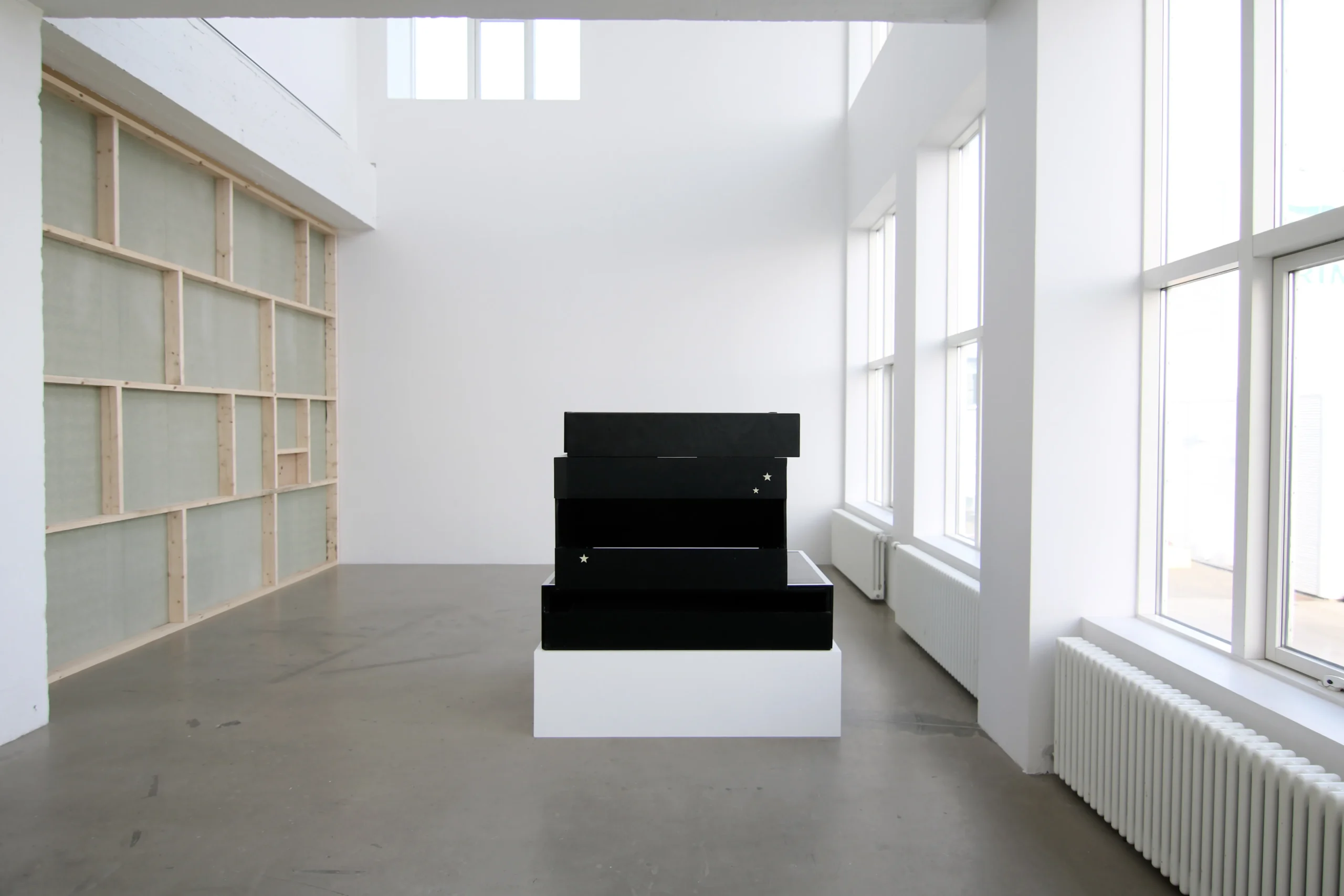
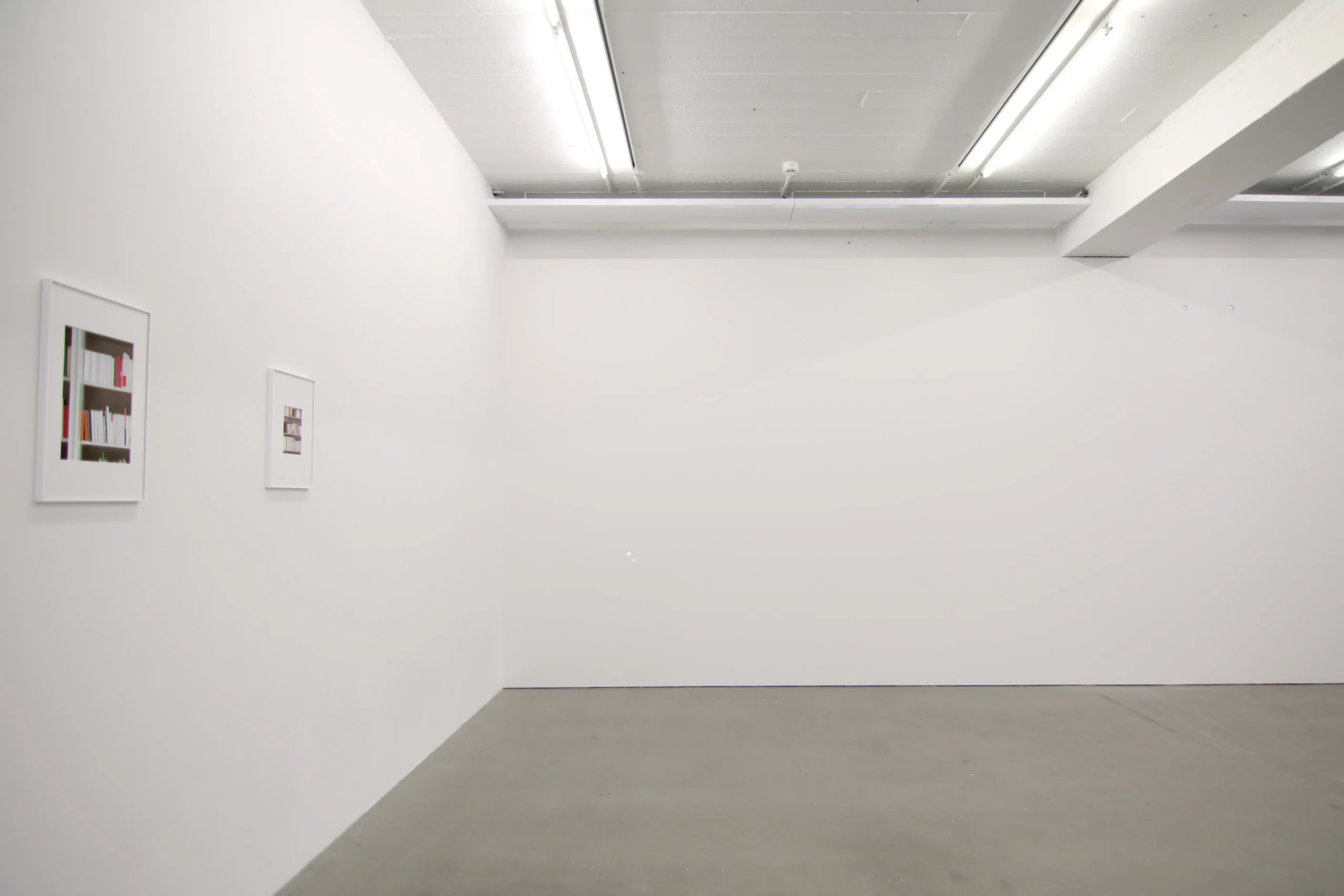
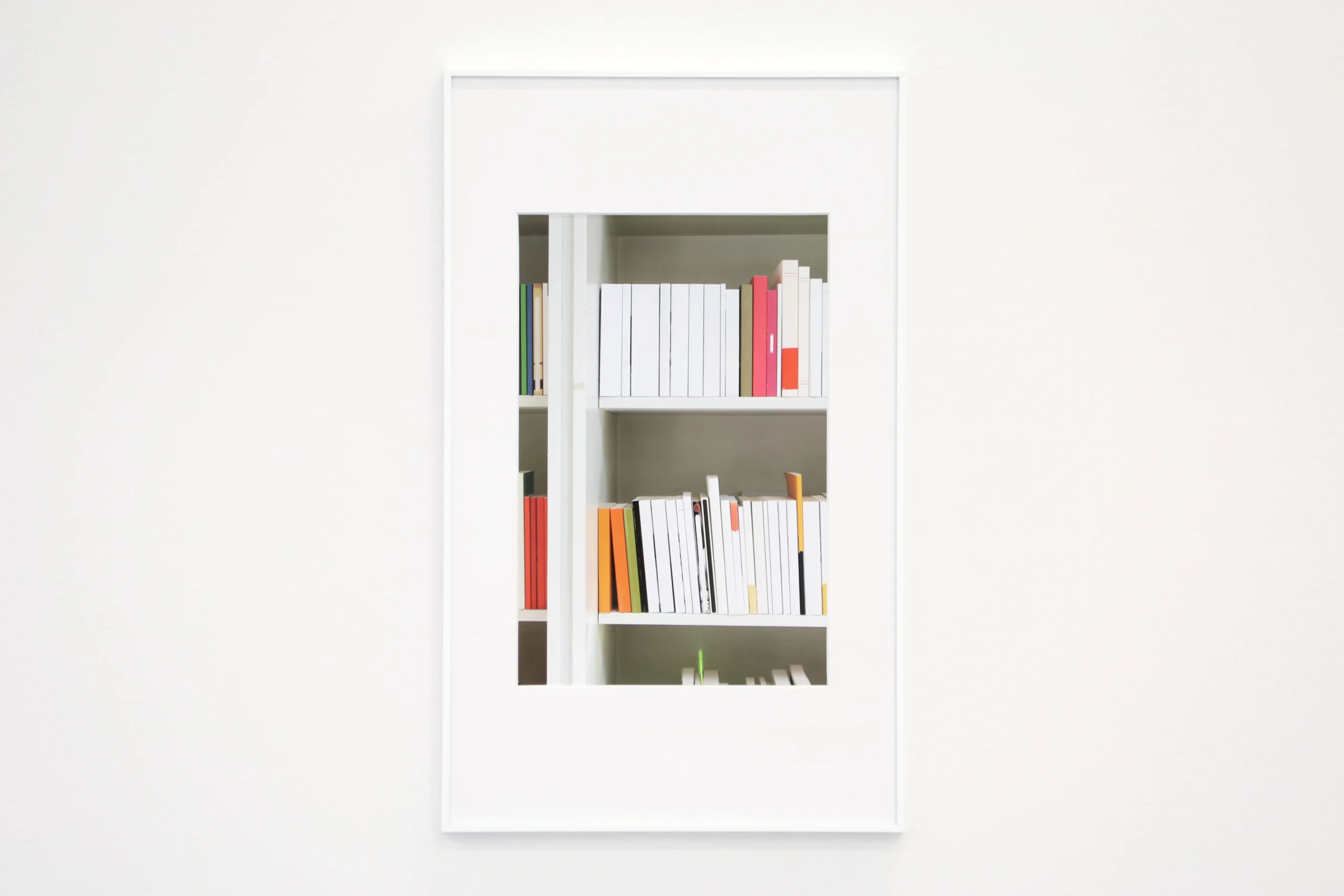
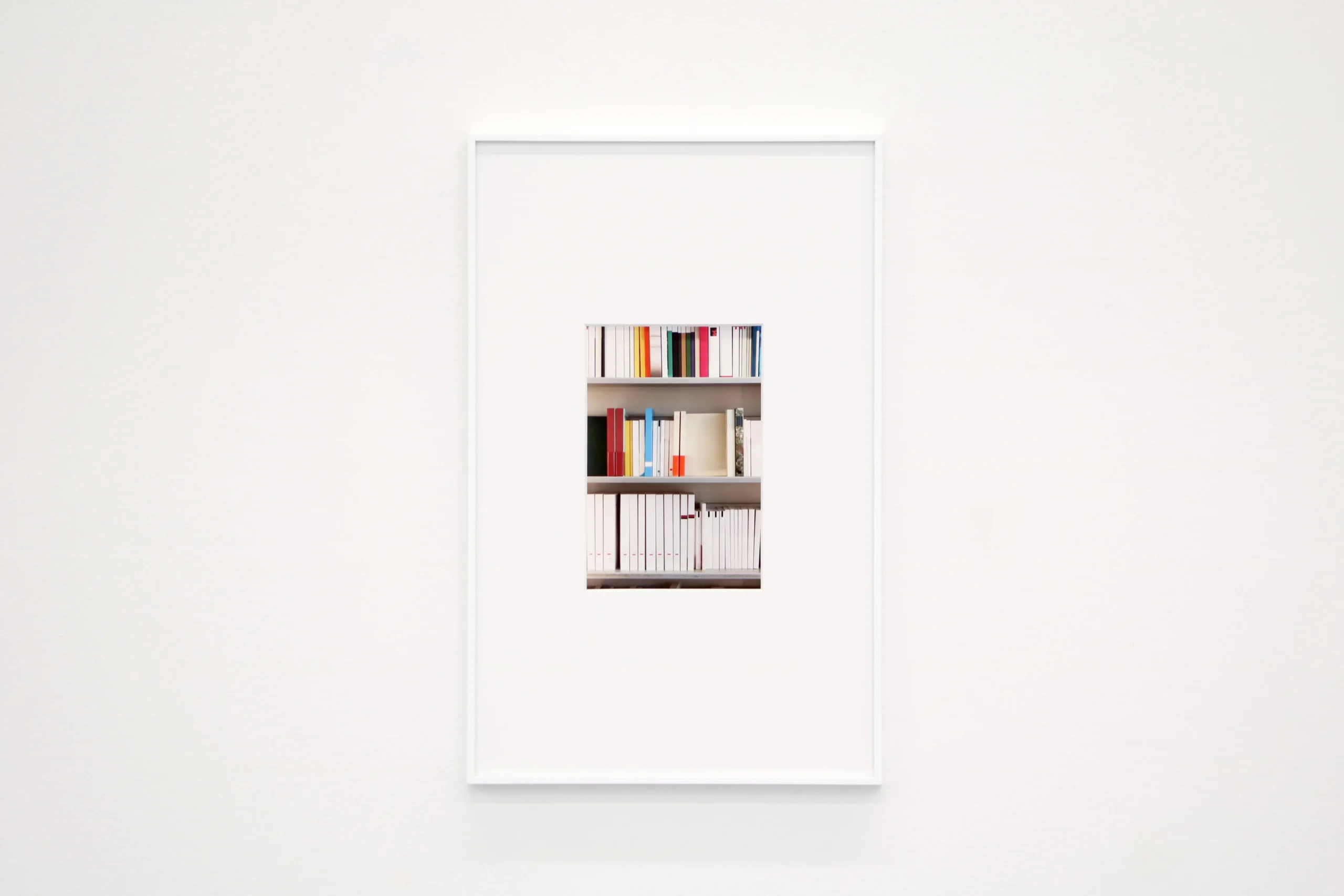
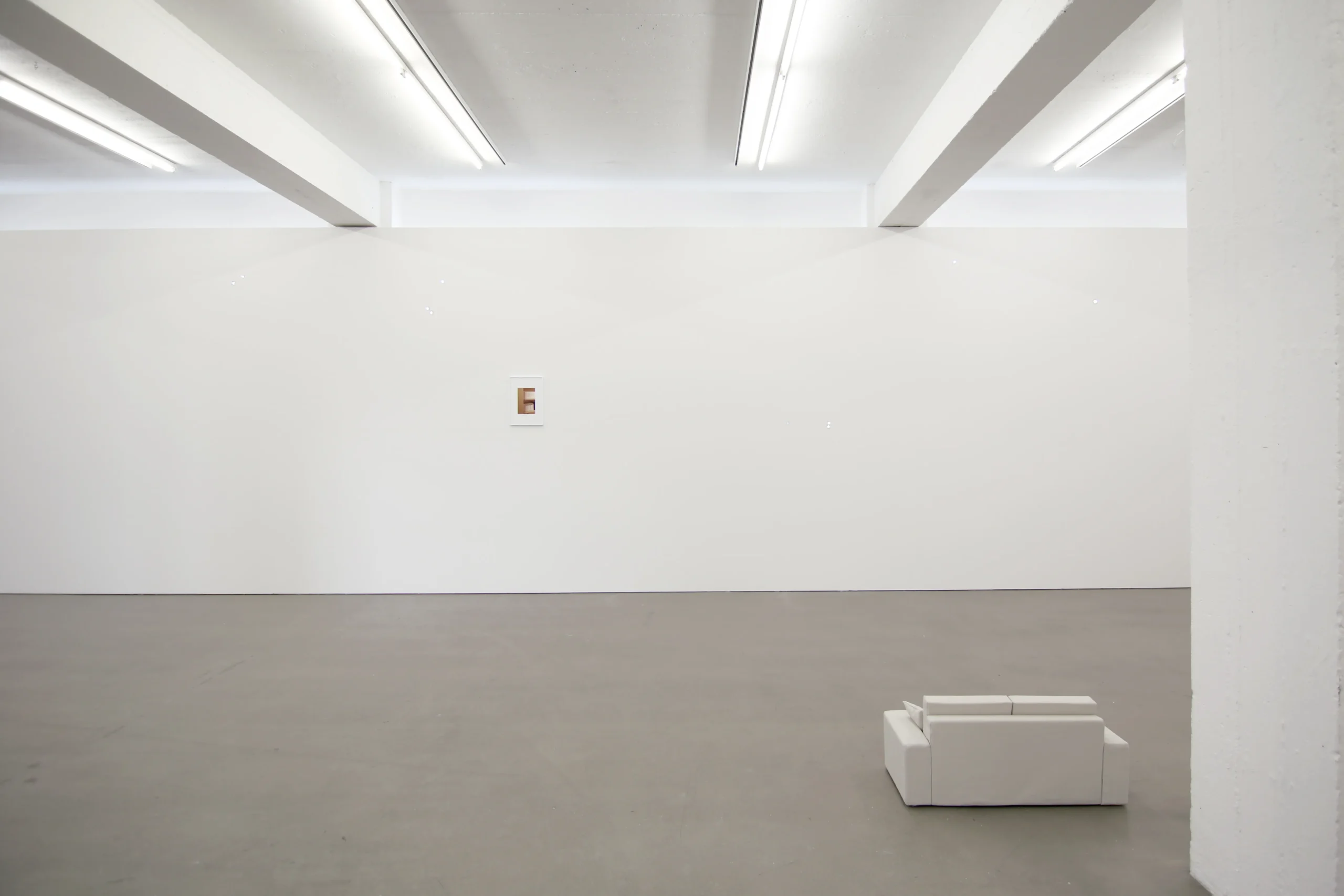
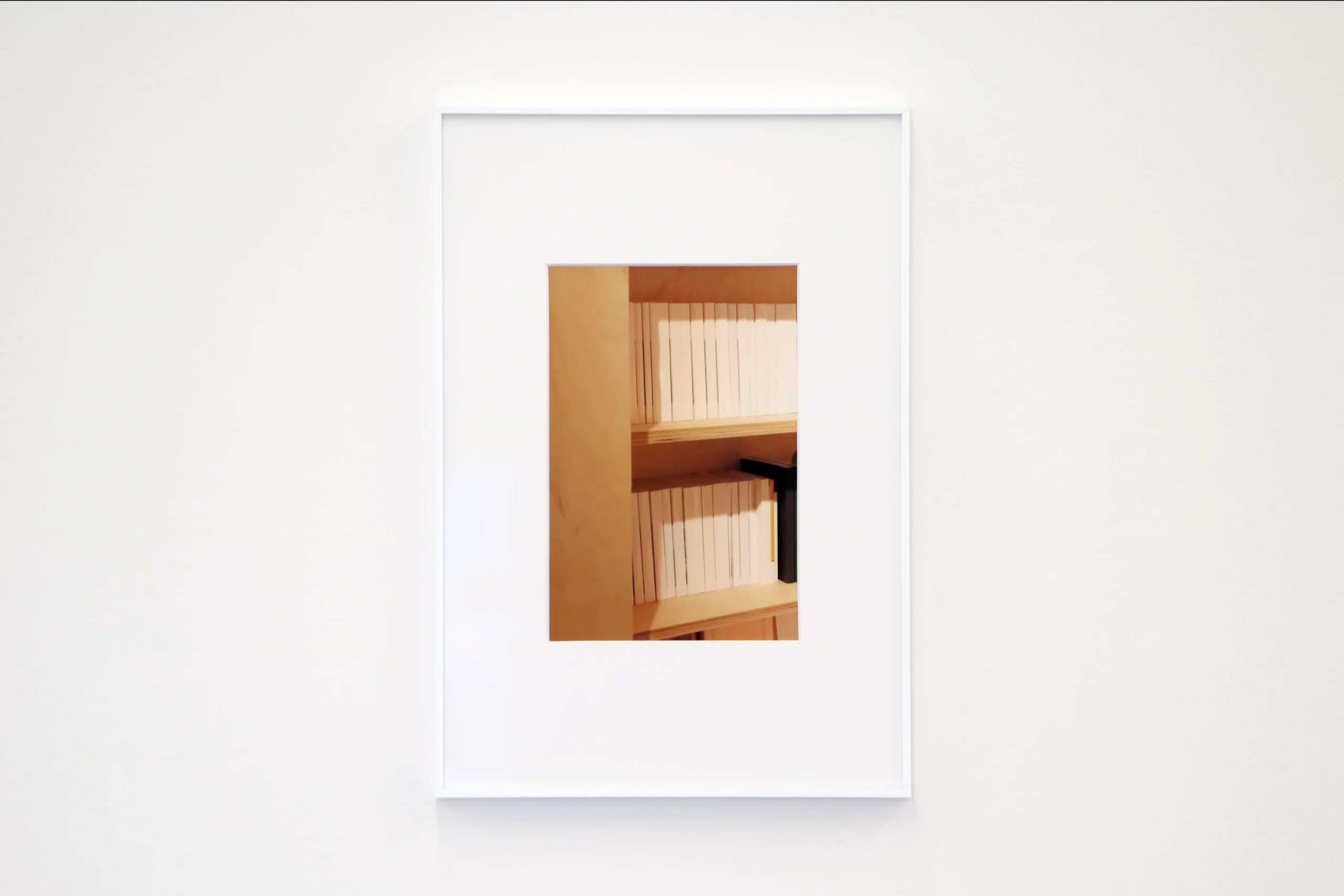
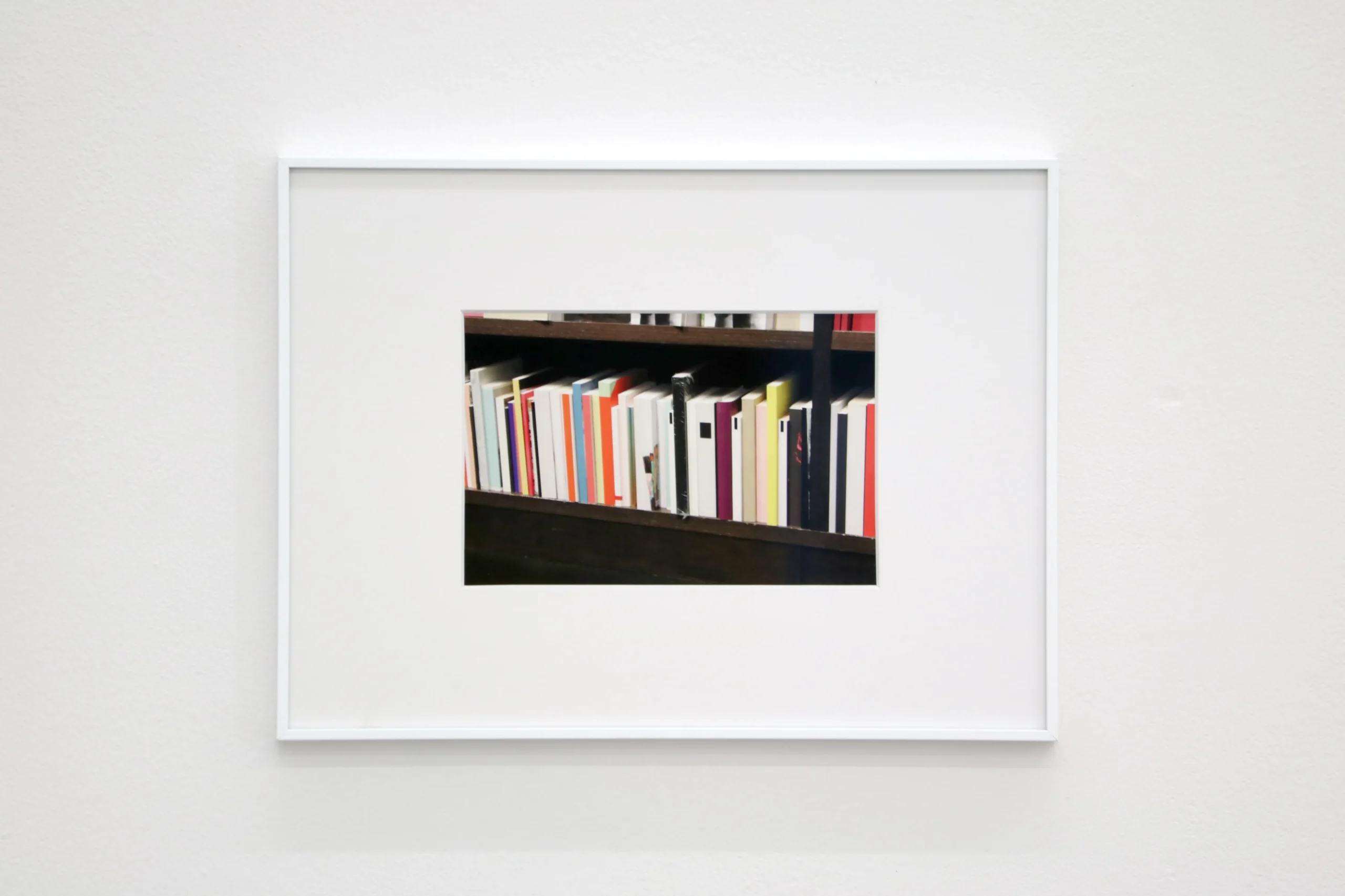
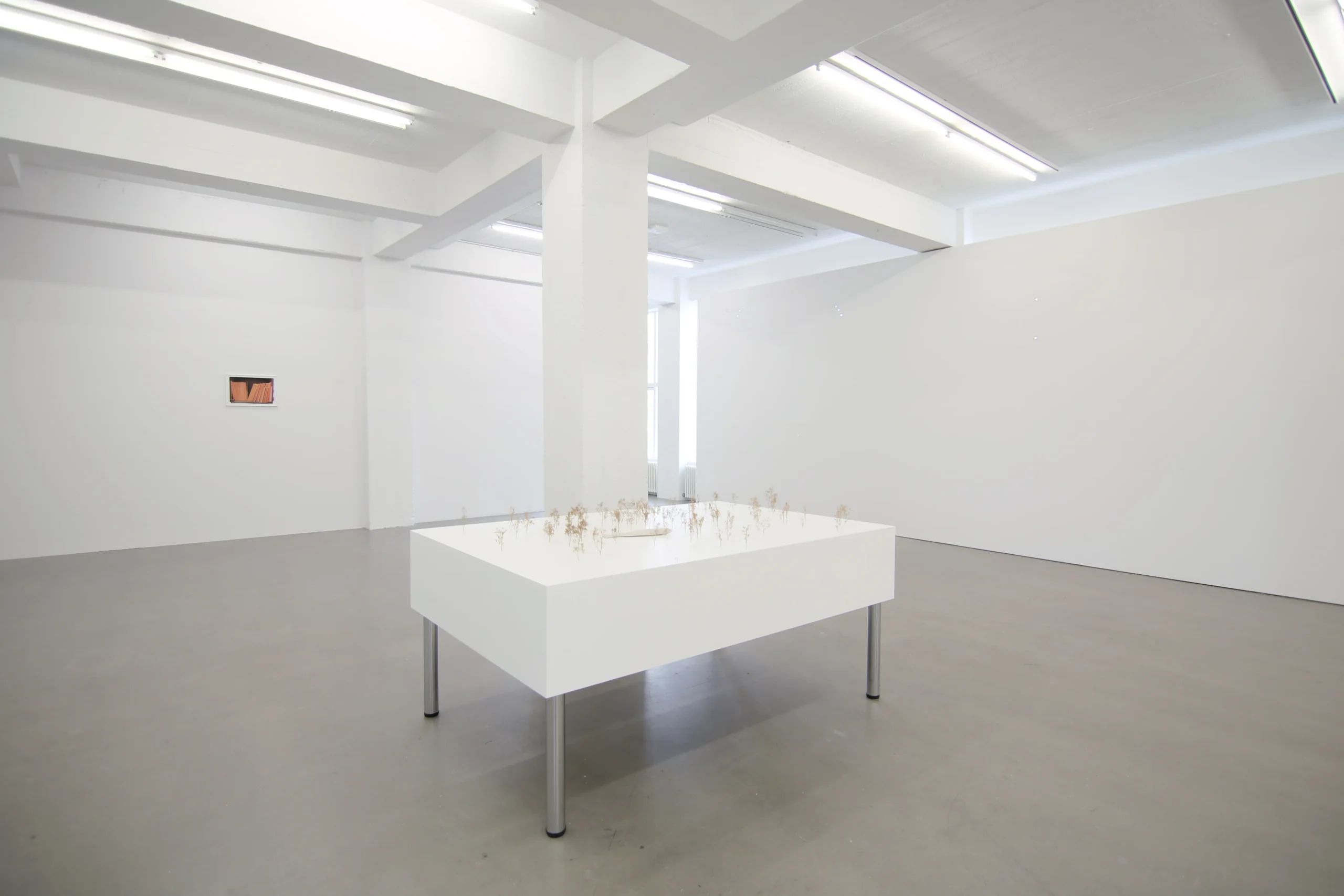
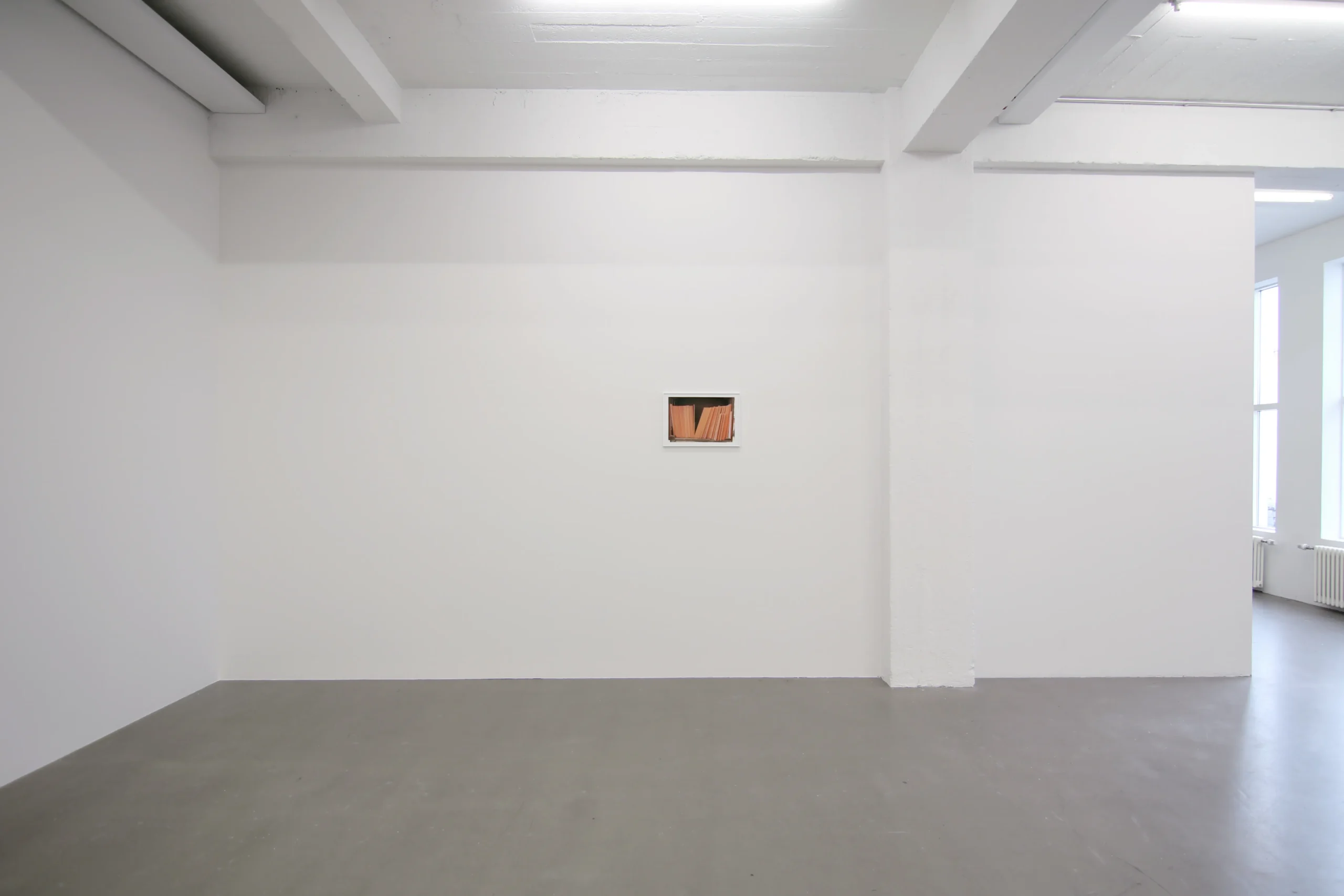
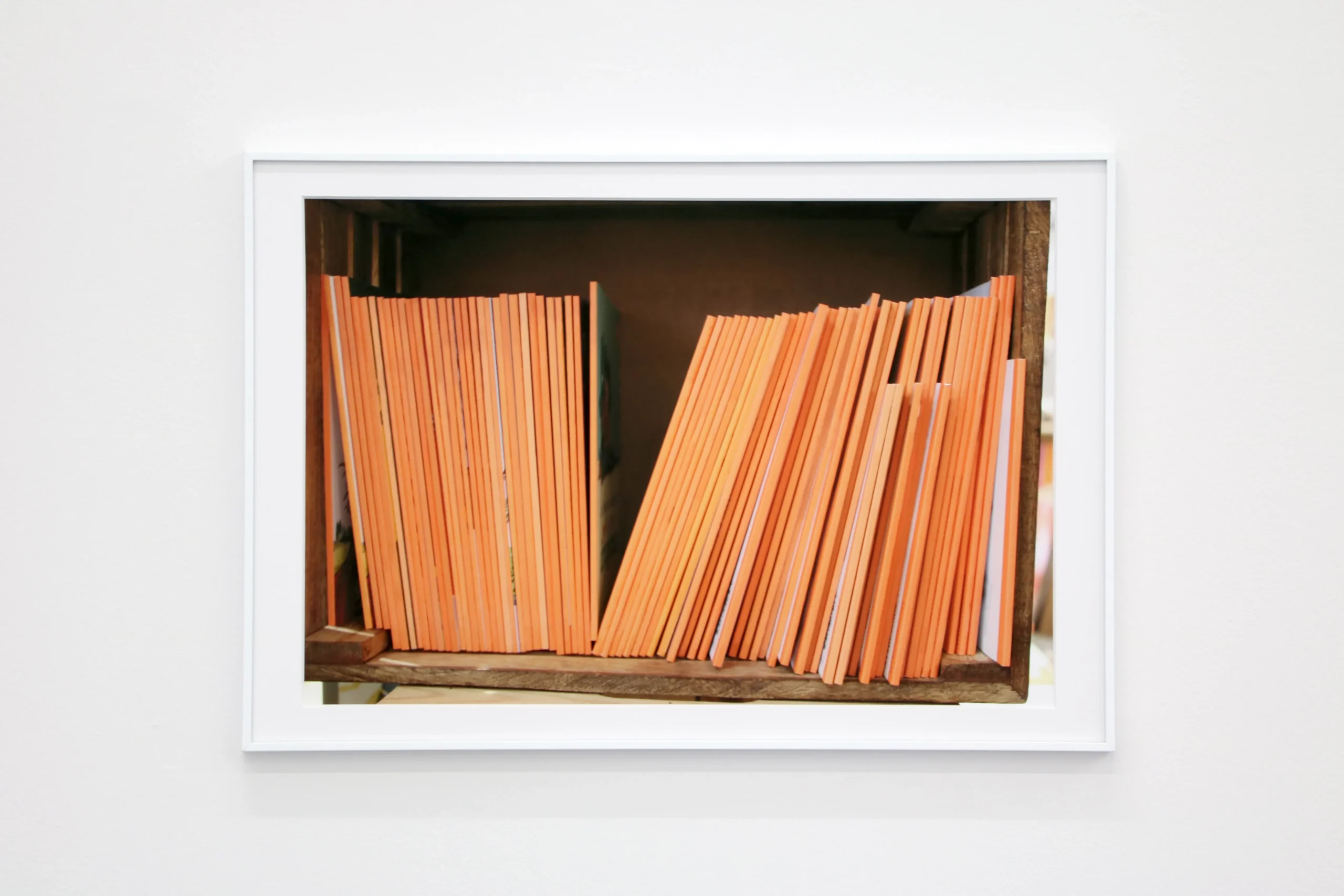
For the exhibition Slept all day, Ívar Glói Gunnarsson Breiðfjörð has created an ambitious installation, consisting of new works made this year, throughout the entire exhibition space of the Living Art Museum. The common denominator of the works is the idea of scale, both in relation to each other and in proportional context with the gallery space in the Marshall House.
The exhibition title might suggest some kind of slacker-aesthetic, but the artist’s works are anything but lazy. Ívar Glói’s art practice is subtly considered and his works have an internal logic that is hidden from the viewer. They might be comical at first glance but upon closer inspection also possess a seriousness; it´s as if they are striving to be sincere but fail, becoming a fictionalised reality. When the works come together, they usually serve a specific function; as architecture, set design, or as props. The artist’s exhibitions thus raise questions about the context and space that surrounds the artwork, and how that in turn shapes the viewer’s understanding of the work.
This time around, Ívar Glói invites visitors to pause and ponder the different scales that shape our surroundings, hierarchies which we take for granted but are in fact constructed to make sense of a chaotic world; to know which way is up and which is down, what is small and what is large. The reality, however, is that everything is relative, including art.
While public space usually has a clear purpose regarding function and use—for example, the difference between a town square and a roundabout—an art exhibition has the advantage of not having a declared meaning. It can confirm preconceived expectations that visitors may have or take them by surprise, repeatedly, each time they enter the space. This quality of incessant doubt is both the upside and downside of art, the reason why some consider it meaningless and complete nonsense.
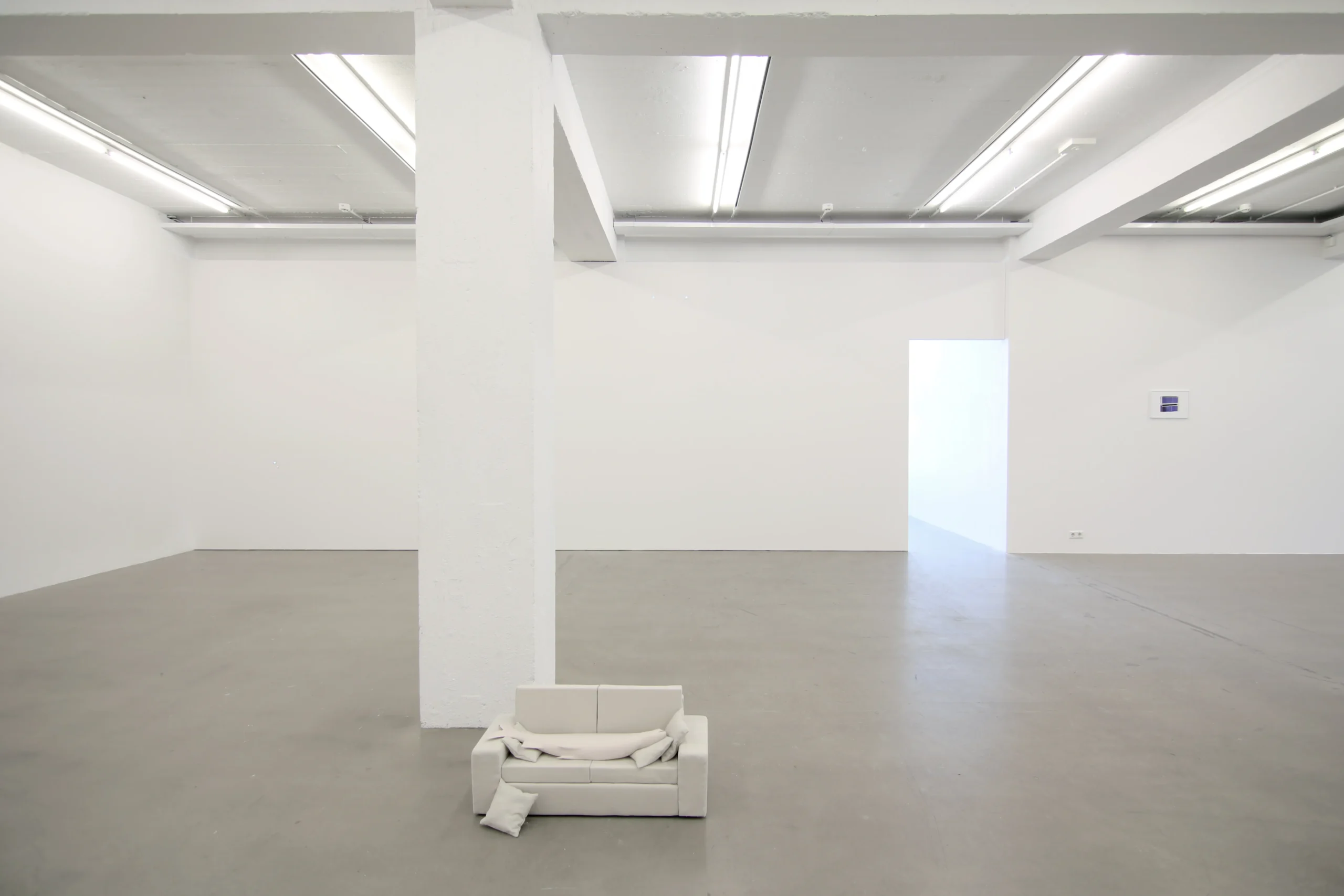
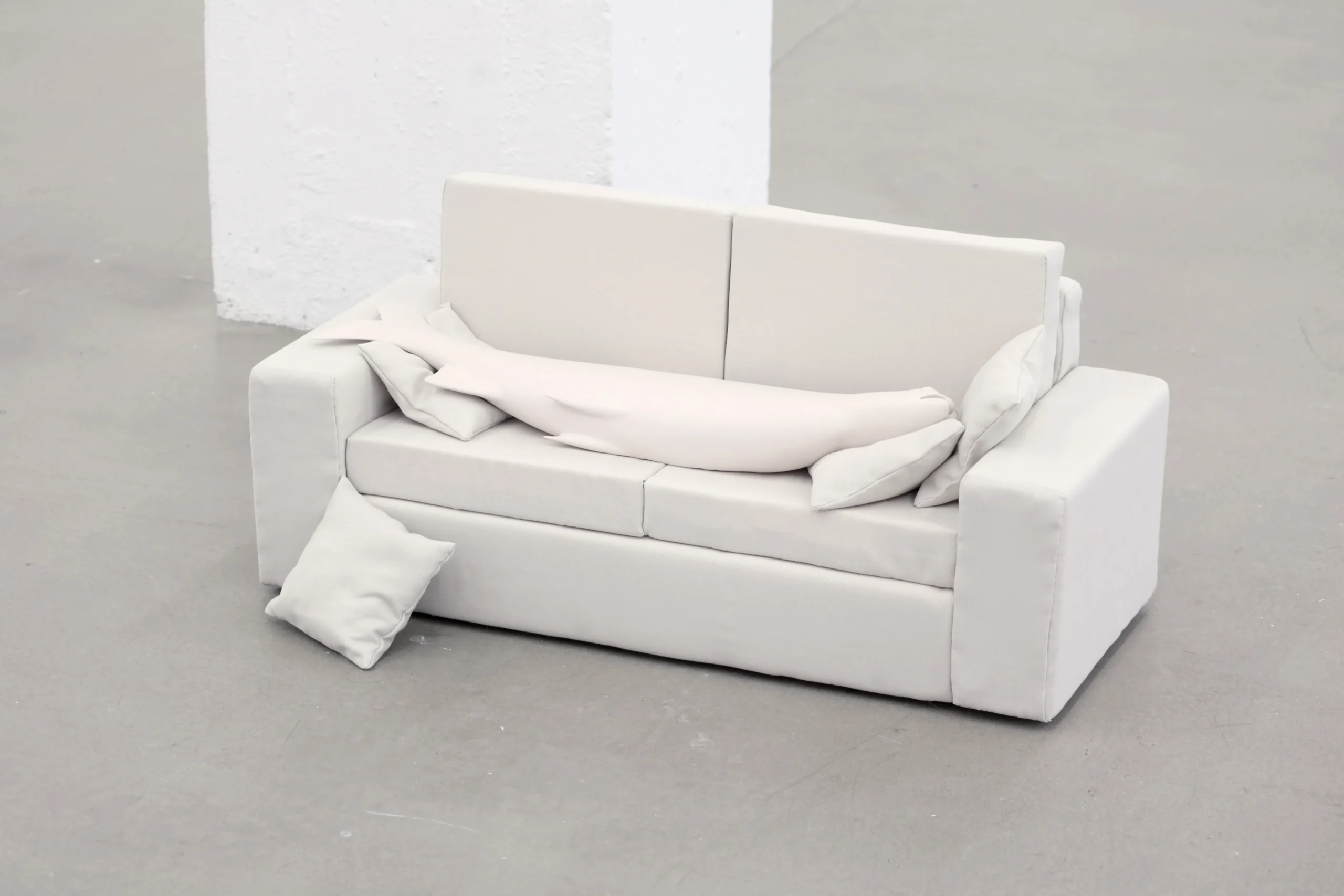
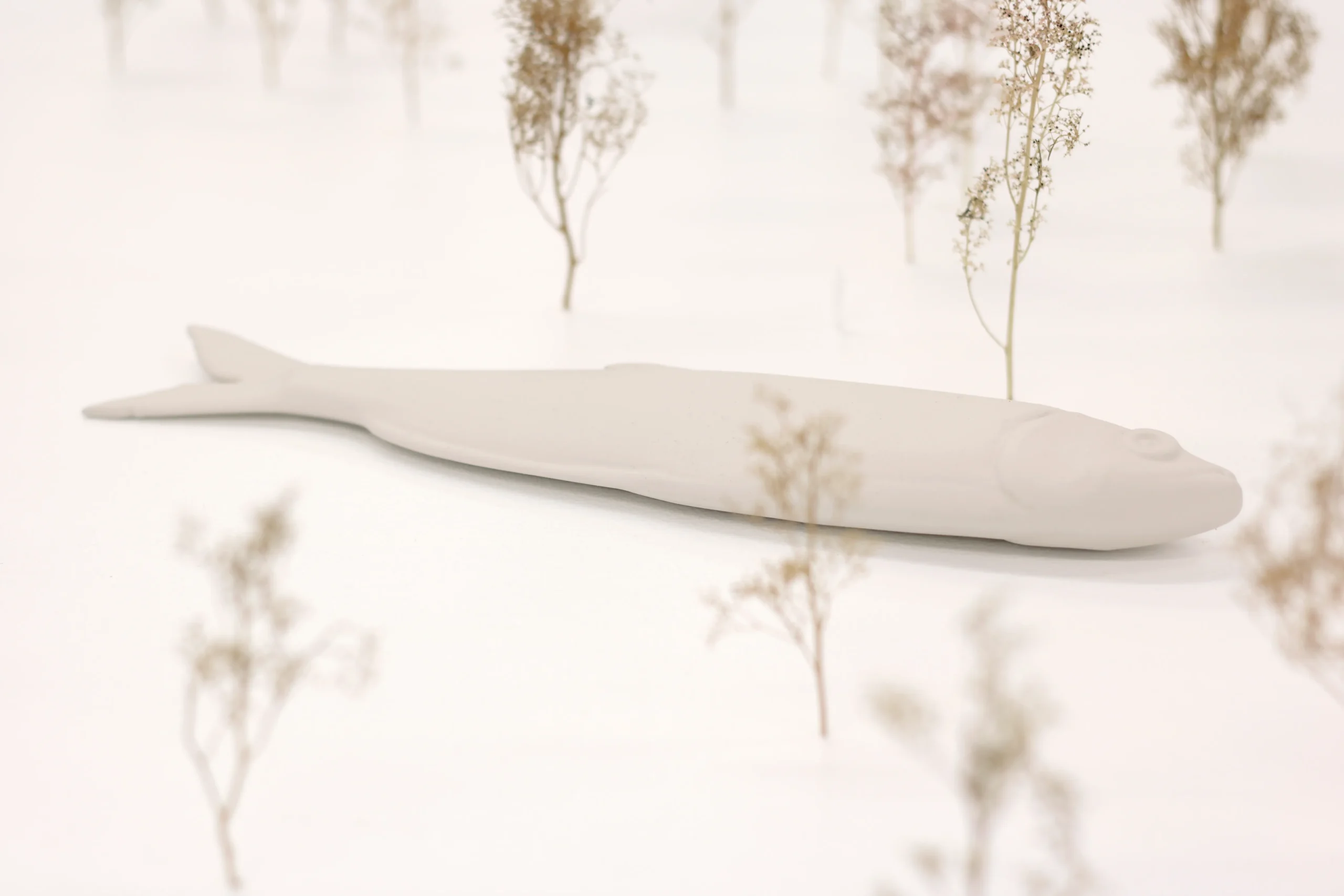
The only thing that is certain in this regard is that what meets the viewer´s gaze upon entering an art exhibition is Art. If you come across a fish in a gallery, it´s quite certain that it is a sculpture. If a sculpture is placed in a fishmonger’s, however, it´s highly unlikely that it will be considered a fish.
The modernist ideology of the pure and self-sufficient work of art (let’s imagine a masterpiece beyond space and time) has long since integrated the museum and the gallery by turning it into a white cube. Thus, the context of art becomes increasingly important in our understanding and experience of the work itself: “We have now reached the point where we see not the art but the space first. (A cliché of the age is to ejaculate over the space on entering the gallery)”, wrote Brian O’Doherty in his classic essay on the white cube.[1] We do not read the meaning of artworks from their content anymore, but from where they are located and how they are presented and perceived.
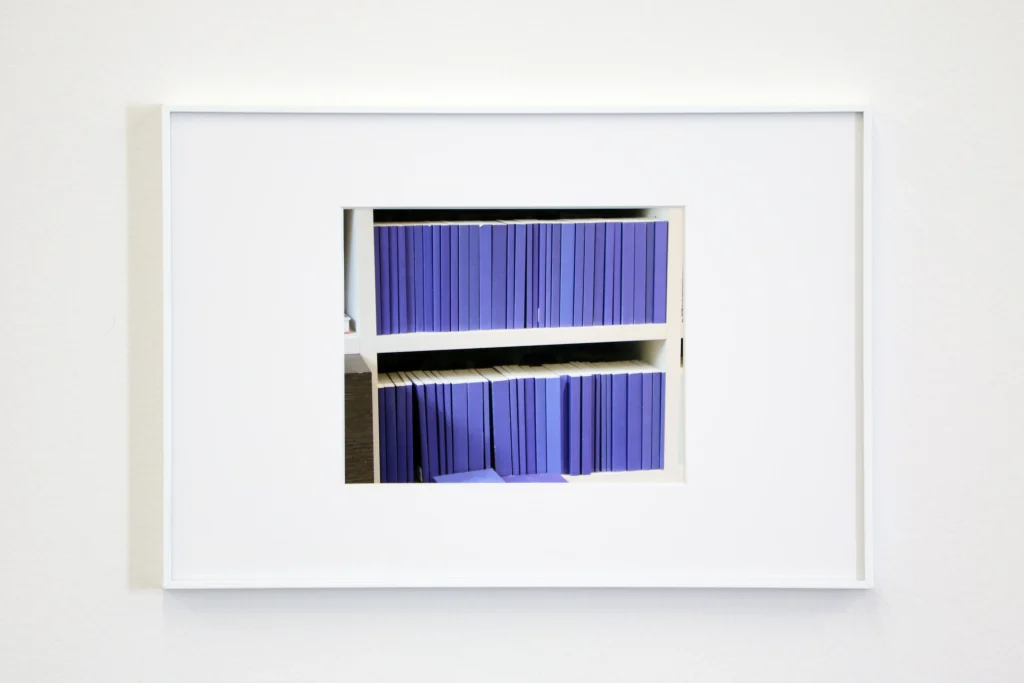
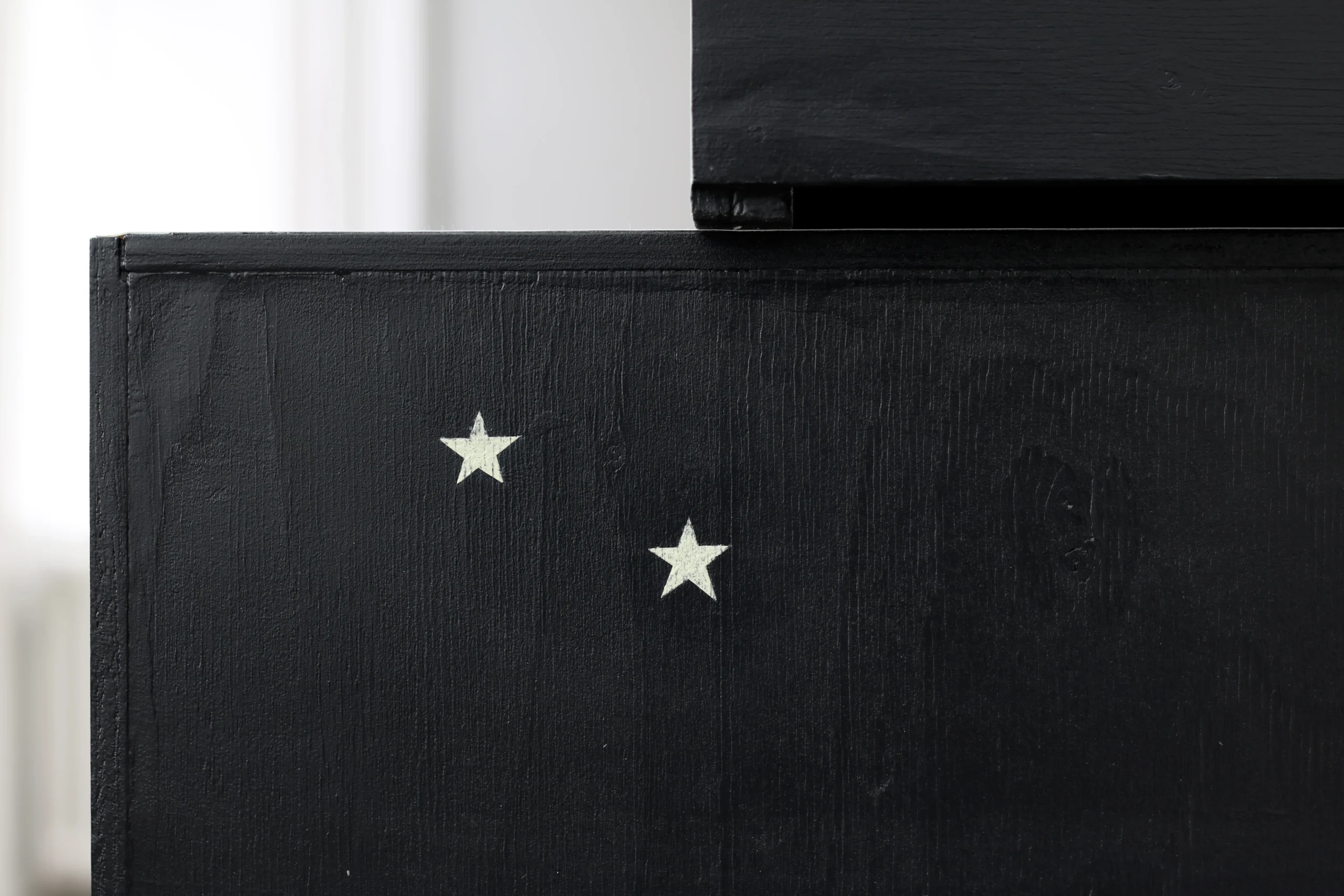
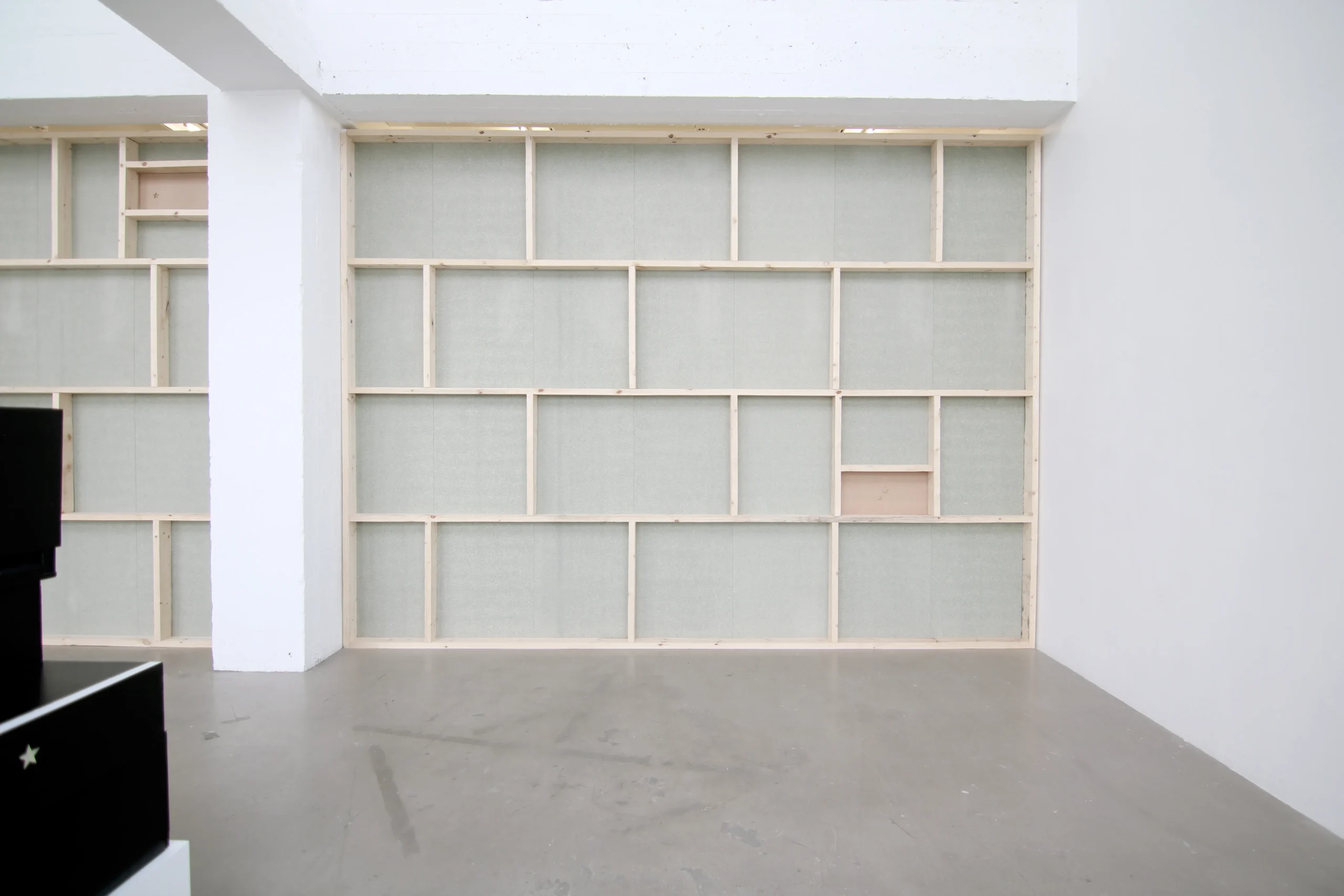
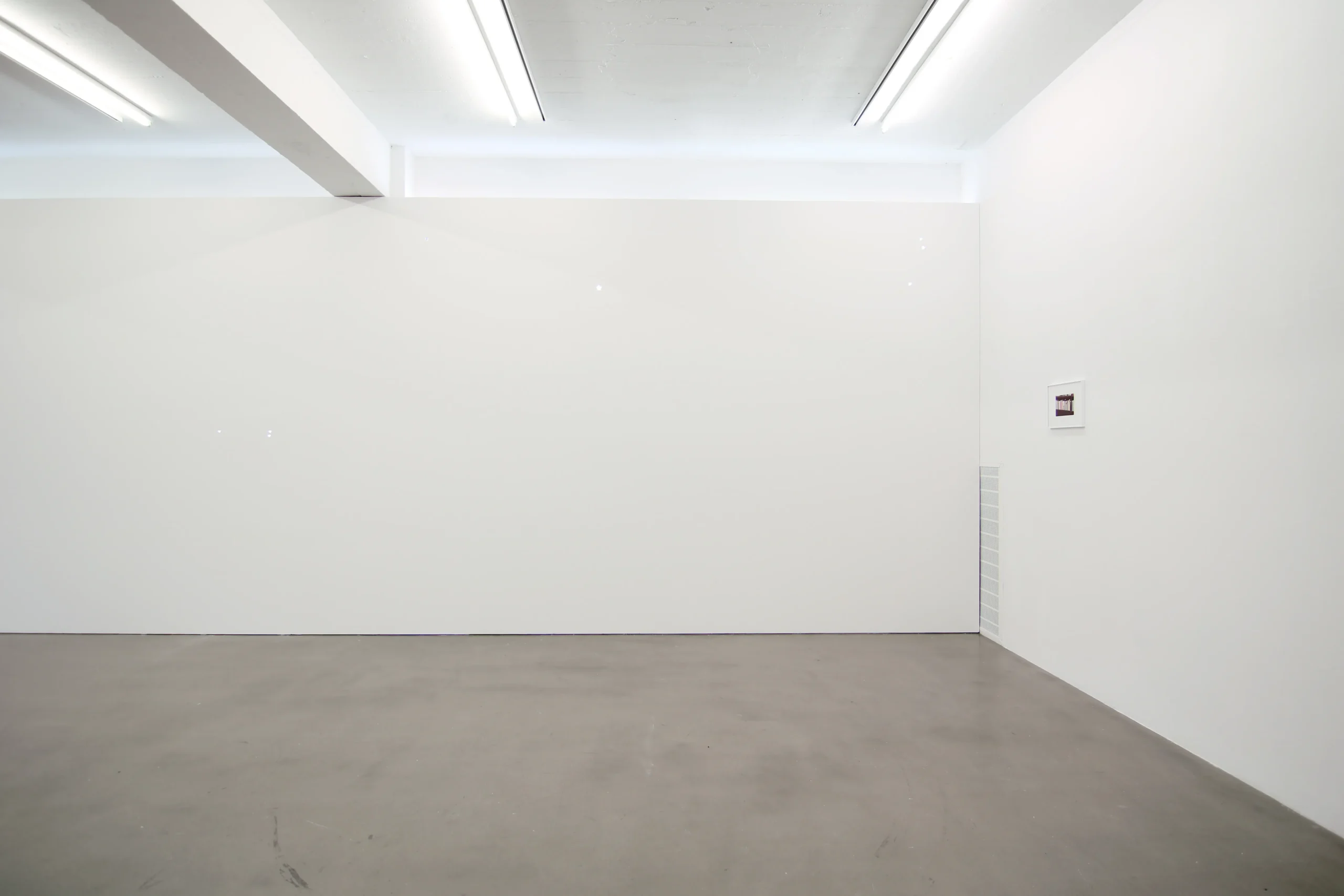
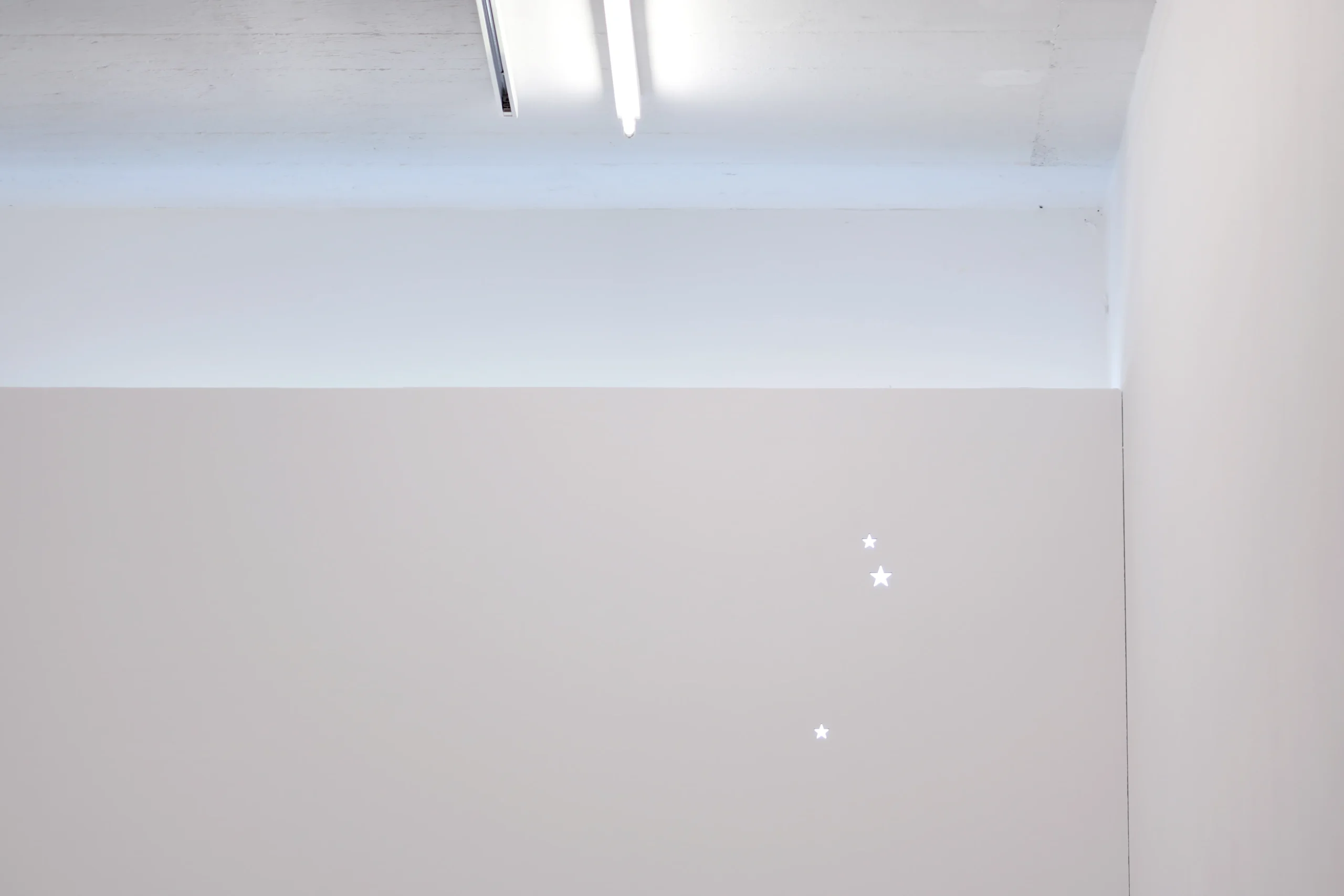
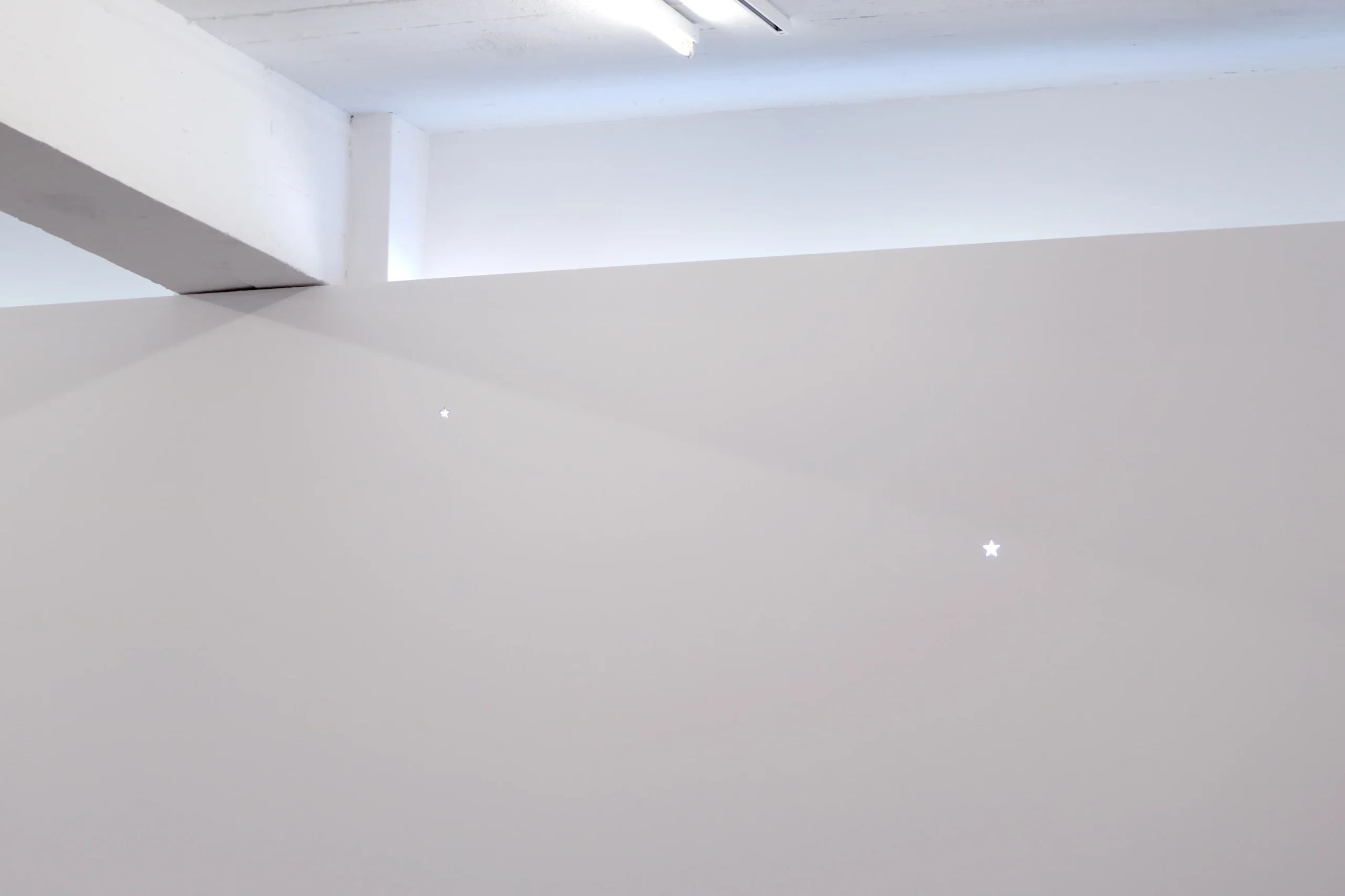
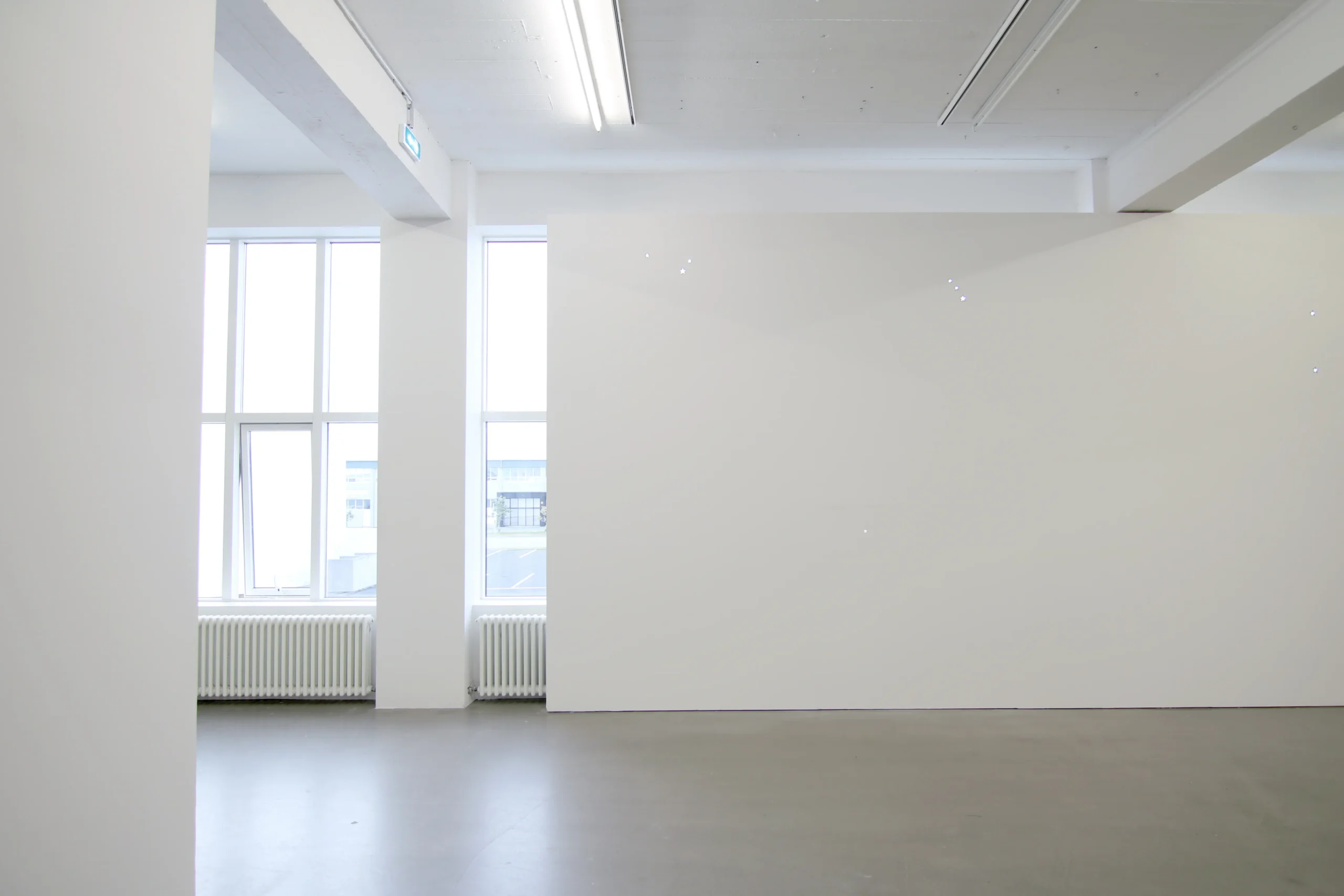
Ívar Glói is very aware of this function of the gallery space, and in the exhibition at the Living Art Museum, he exaggerates the cube-like shape of the space by building a long wall in front of the museum’s window. On the other side of the gallery, another wall divides the space in two, creating a new room with the same proportions but somewhat smaller. In these new spaces, one can then observe works that are all relative and proportional to other objects, inside and outside the exhibition space, which in turn are defined by other scales, and so on. In the exhibition, the artist invites us into a kind of phenomenological game (we sense ourselves sensing), where the ratio between exhibition visitors and artworks are in constant flux. At the same time, attention is drawn to whether the works are actually presented in a correct or sincere way. What is true to size?
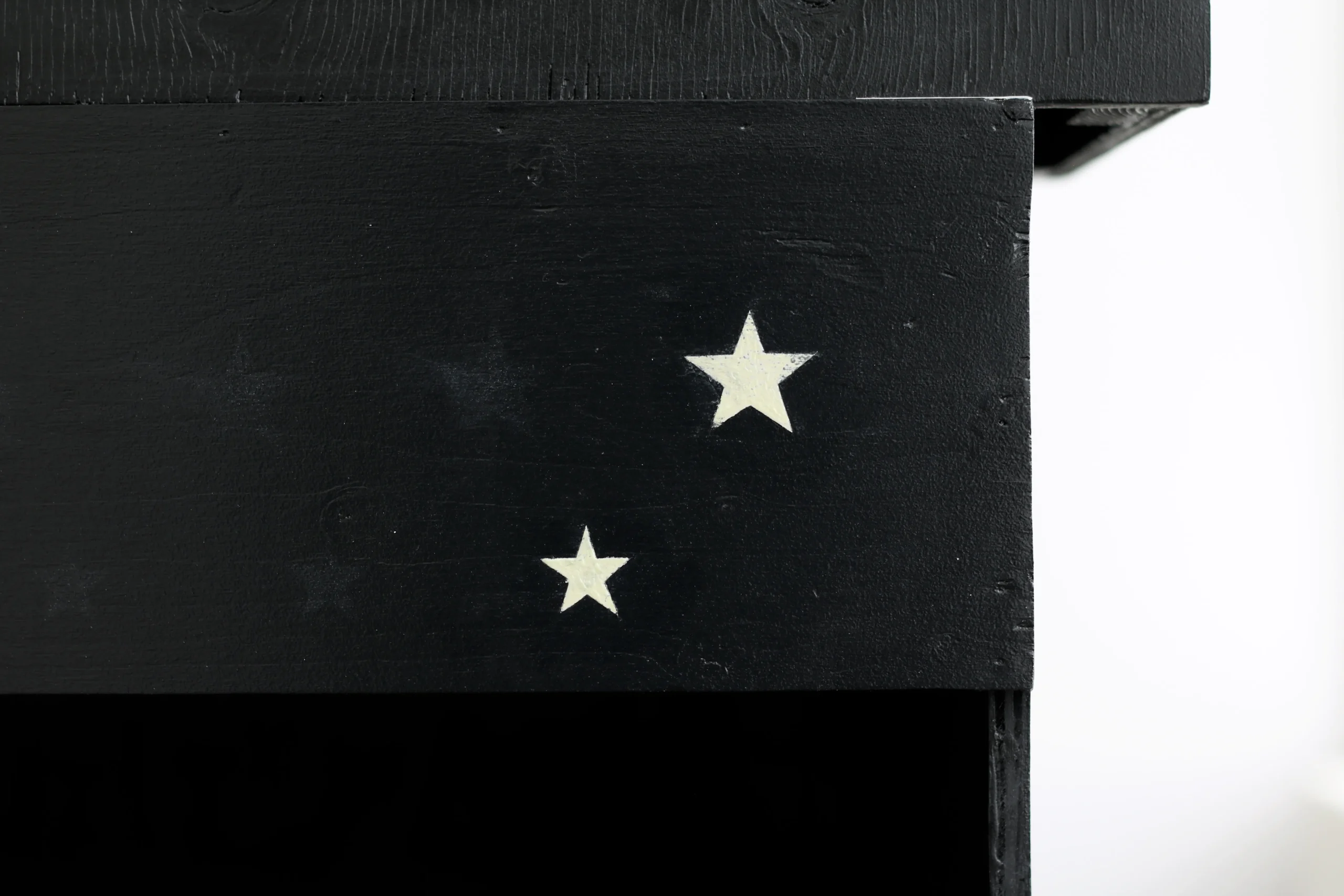
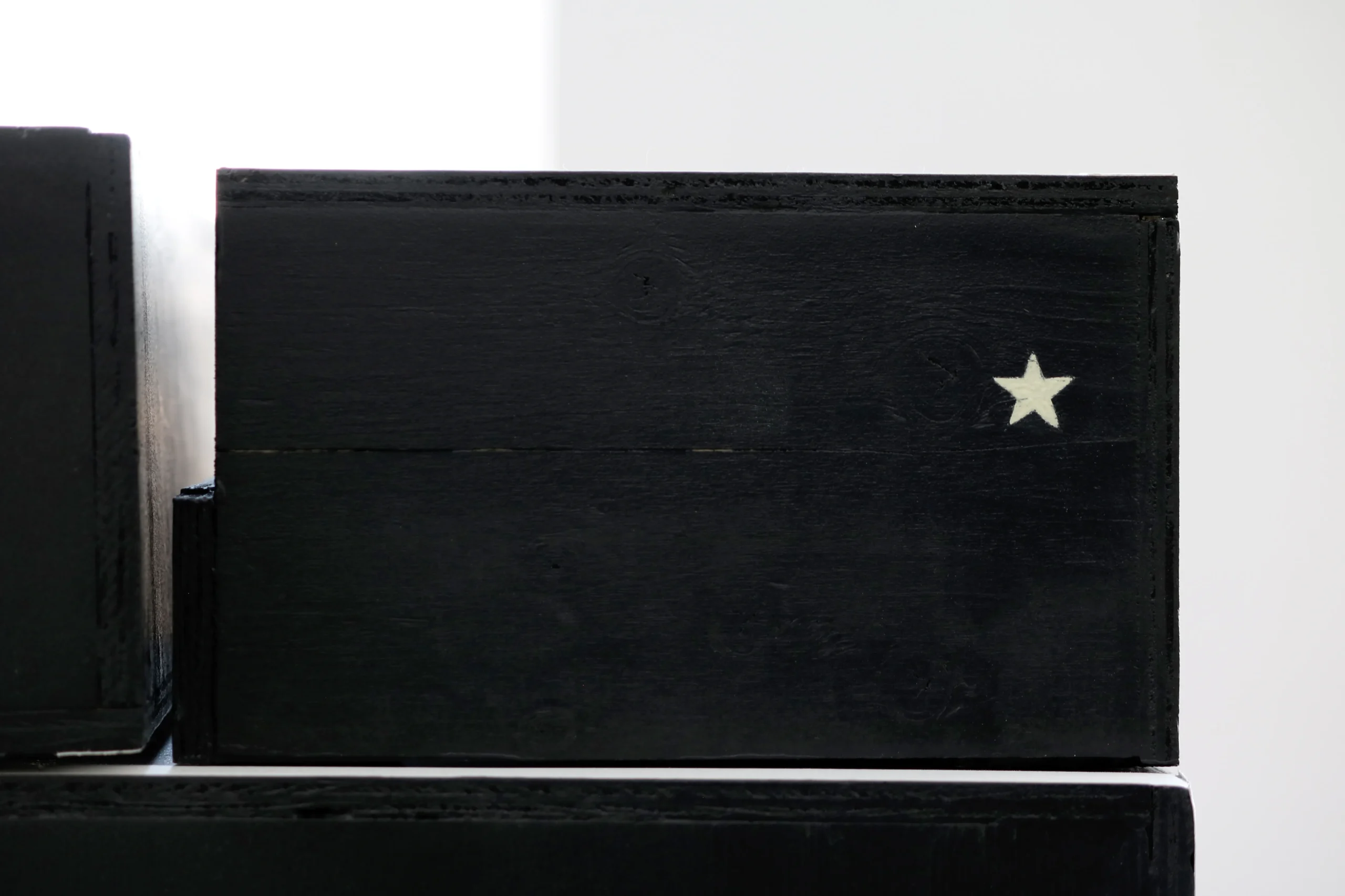
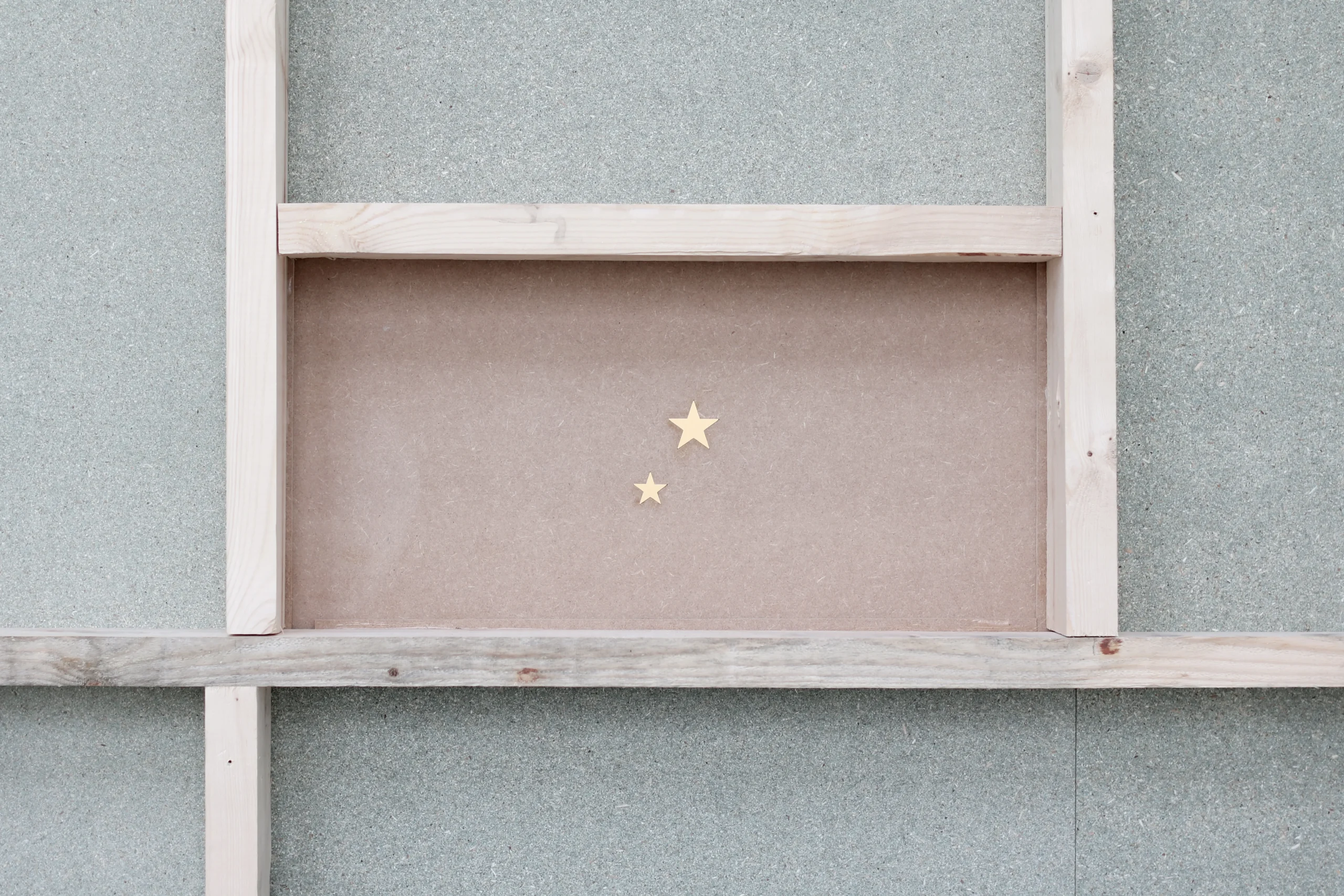
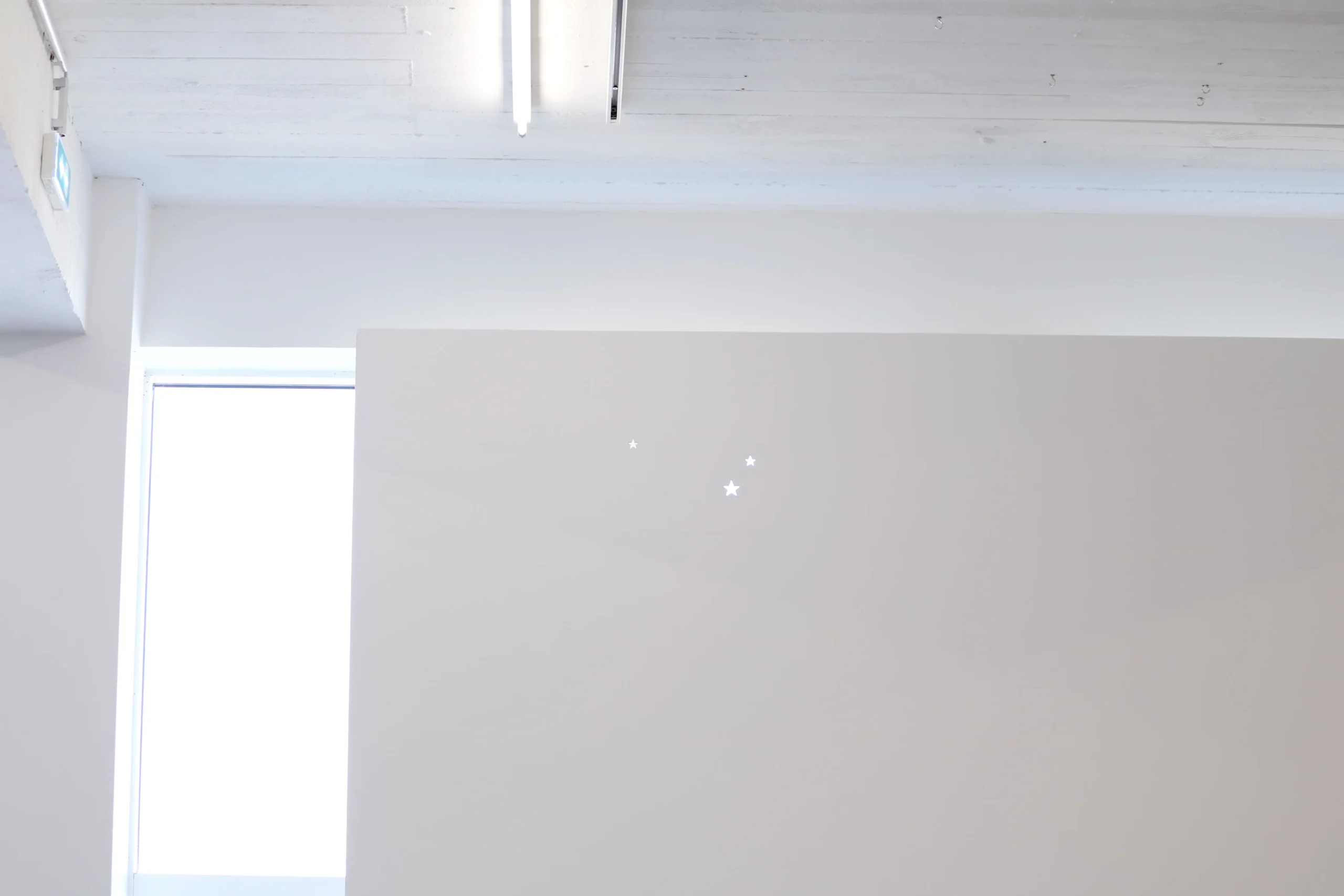
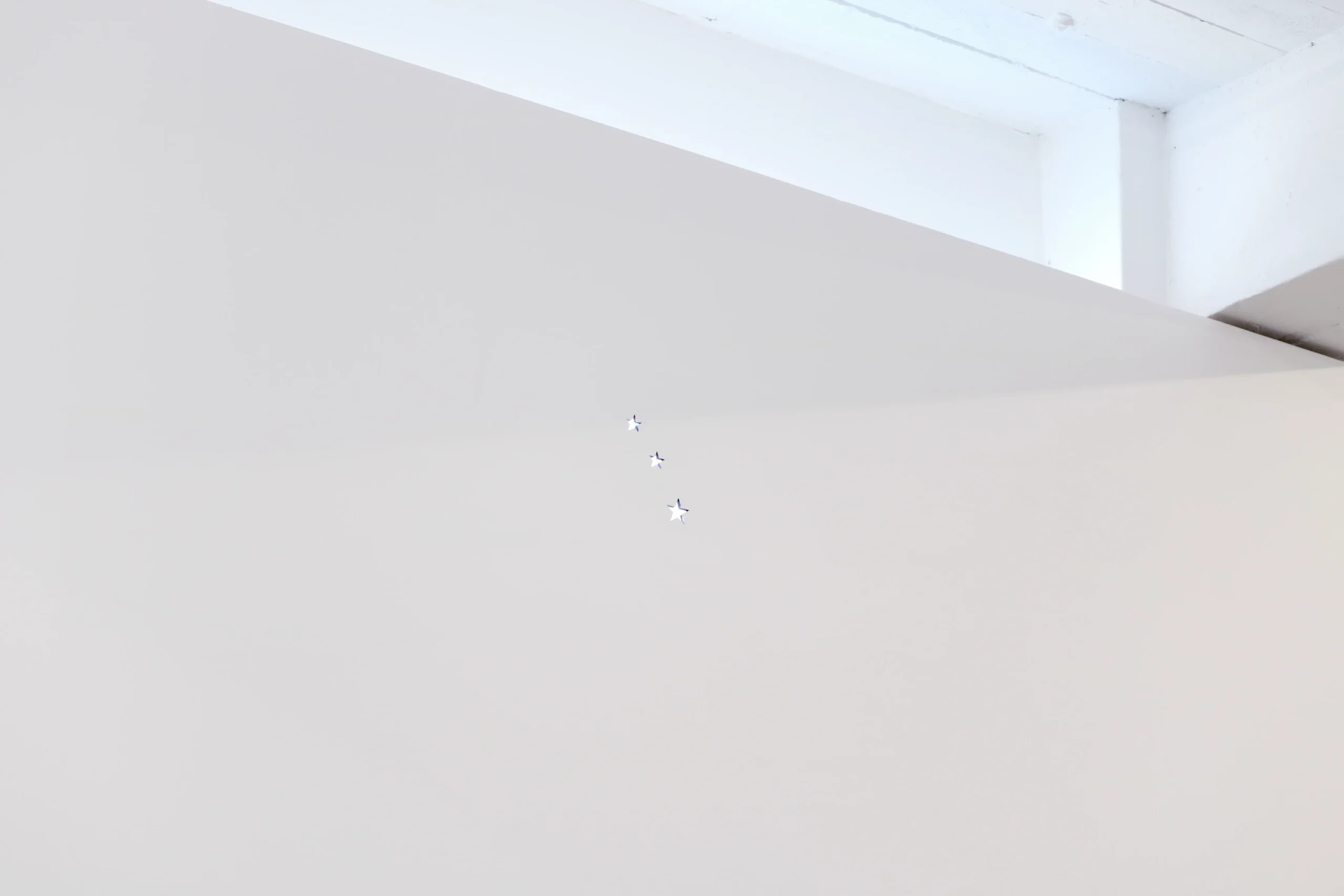
The exhibition Slept all day is Ívar Glói’s first solo presentation in an Icelandic museum, and can be seen as a continuation of his exhibition fluff at Cas-co in Leuven, Belgium in 2025. There, the artist also showed a star-studded wall and works similar to those seen at the Living Art Museum. The scale, however, was completely different; Ívar Glói’s works are always proportional and oriented towards the space that surrounds them at any given time. But they are also relative in the sense that they are based on another, more obscure context that the viewer does not notice and perhaps only exists in the artist’s mind. For the scale of visual art is determined, first and foremost, by the imagination of the artist themselves (or lack of imagination, as Ívar Glói himself would say), where fish have sofas to sleep in and the walls of the exhibition space transform into a starry night sky.
Heiðar Kári Rannversson.