


“Time is now small, mobile, portable, and light blue,” writes artist and postcolonial theorist Trinh T. Minh-ha imaginatively in the opening of one of her texts. When I read this sentence, it seemed to me that this curatorial text, too, could not begin any other way. In light of the transition from ancient territorial power to modern biopower, today’s virtual boundlessness and globality are widely celebrated as a transcendence of national borders. The contemporary Western world is spoken of as a new, heterogeneous, and interconnected metropolis. At the same time, the media and social networks highlight the narrative of close-knit village communities. In short, connections are an important theme.
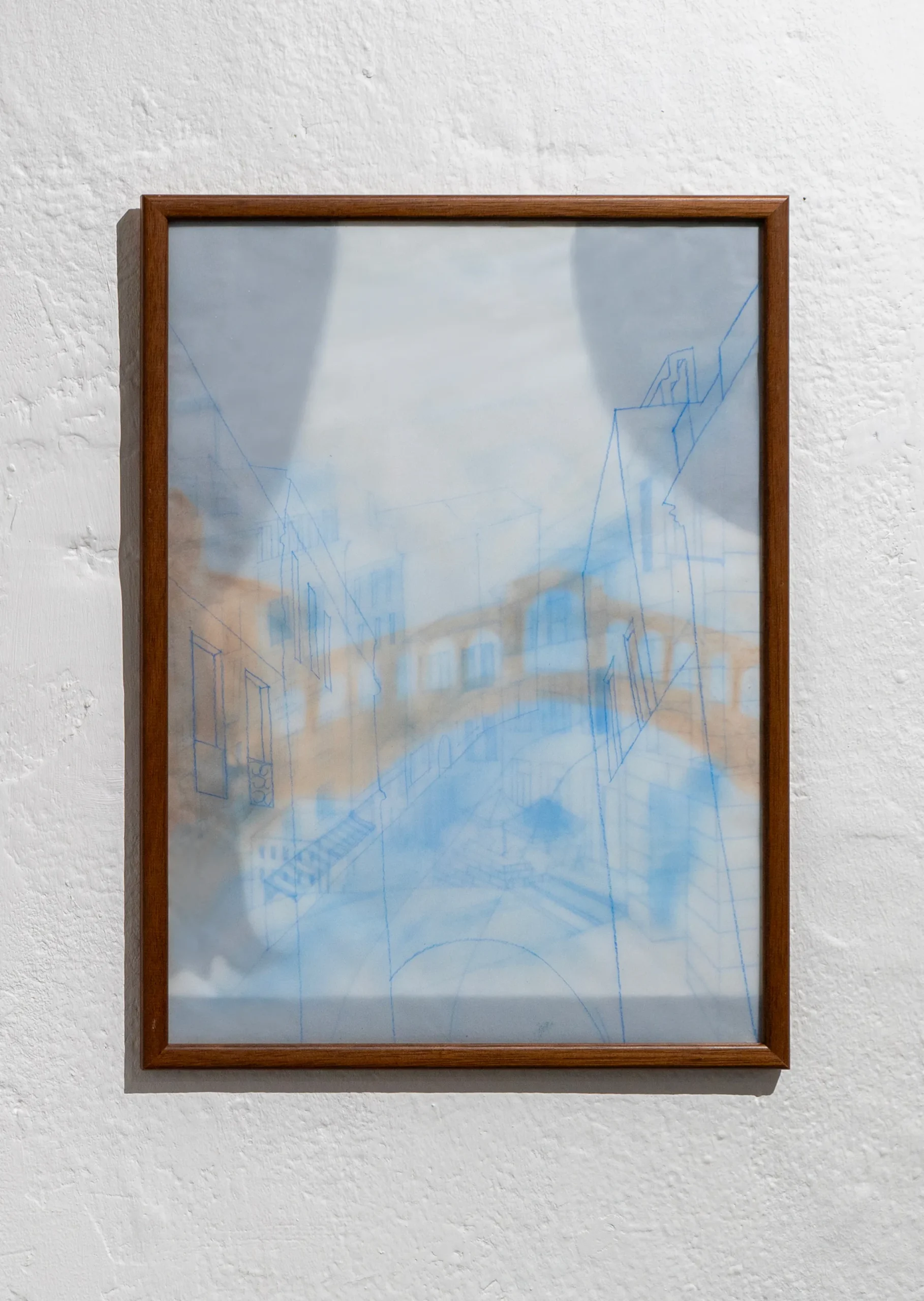
Nevertheless, discussions in global politics often revolve around closing off borders, restricting movement, strengthening borders, building new fences, setting up additional checkpoints, fortifying security zones, establishing gated communities, and—worse still—confining entire nations to restricted areas. Trump is building his infamous wall on the border with Mexico; in Iraq, a three-mile concrete wall was built (with U.S. support) to isolate the Sunni Adhamiya neighborhood of Baghdad from the surrounding Shia areas. The wall is perceived by local residents as a form of forced segregation (significantly, for this exhibition, they painted the wall pale blue in protest), yet those in power interpret it as a wall that promotes protection. However, a wall can indeed provide such security: for example, following the annexation of Crimea, the violent incursion of Russian troops into Ukrainian territory, and the outbreak of the war in Ukraine, Ukraine launched the so-called “Wall Project”—a fortified border barrier along the Russian border designed to prevent violent and unauthorized incursions by the Russian army into Ukrainian territory and thus genuinely protect the local population. It turns out that a wall or a border can be an instrument of power and oppression in certain situations, and a just protector in others. And amid this confusion, a virtual voice from cyberspace constantly shouts in the background: “We are all connected!”
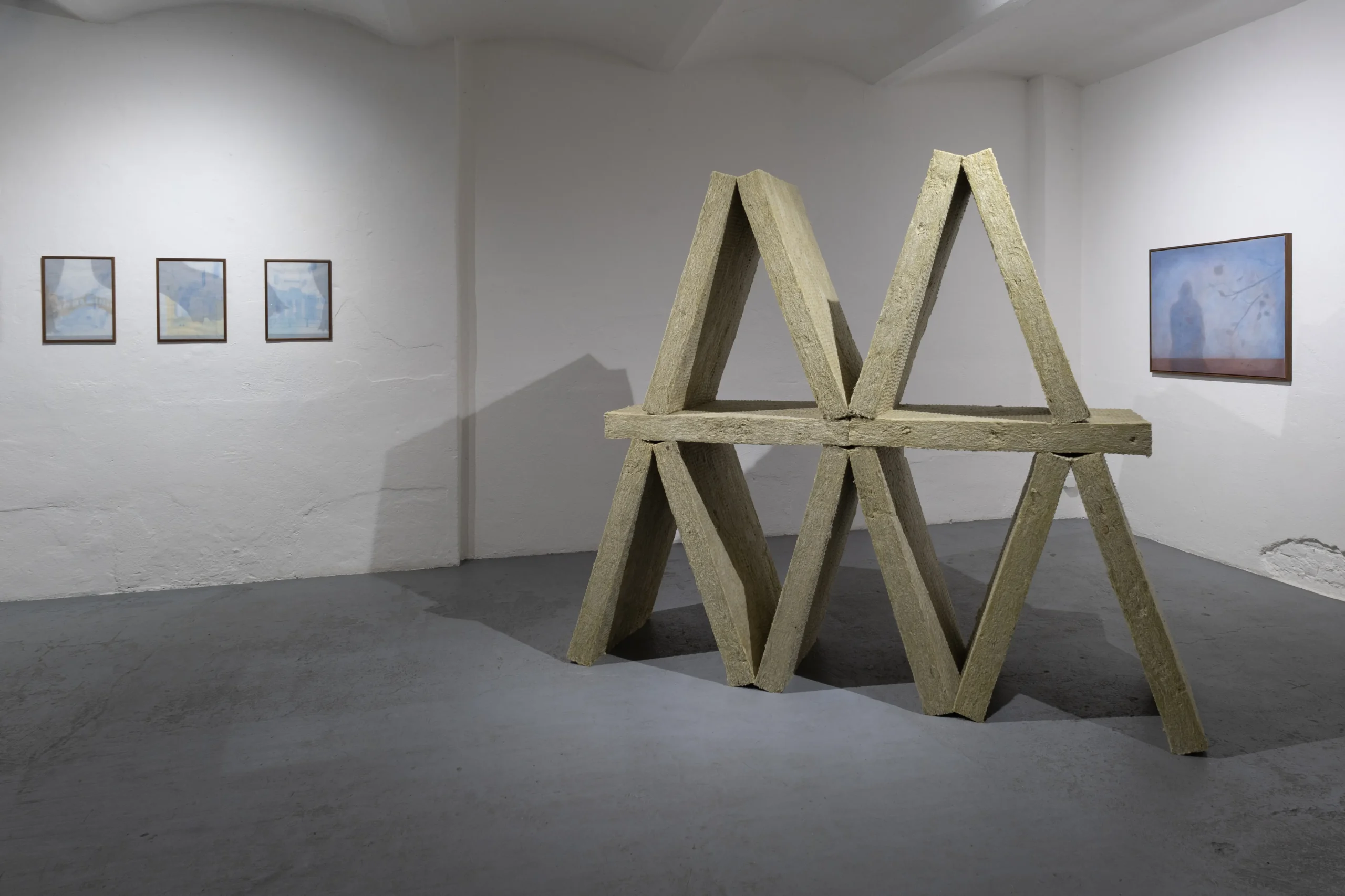
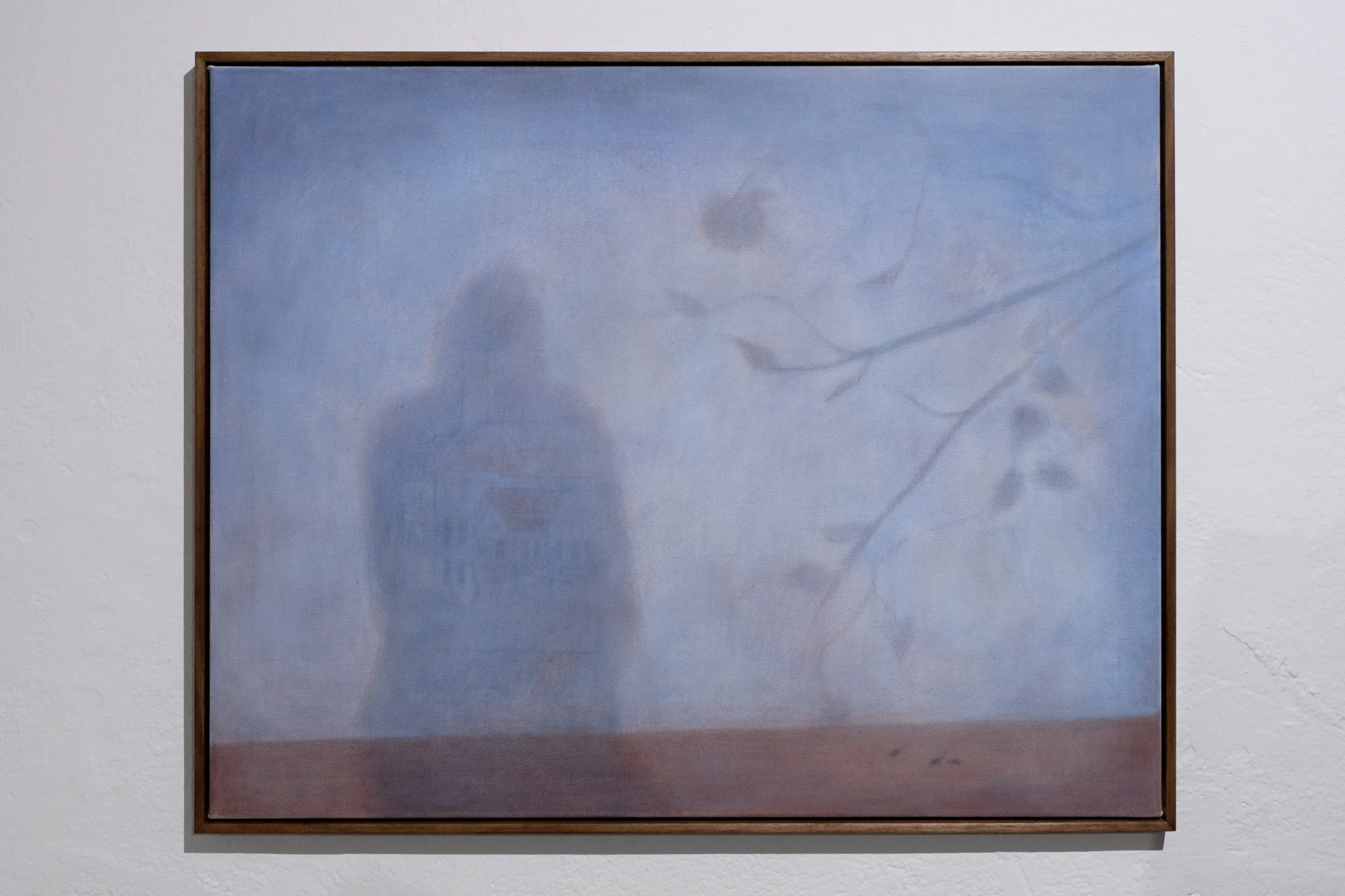
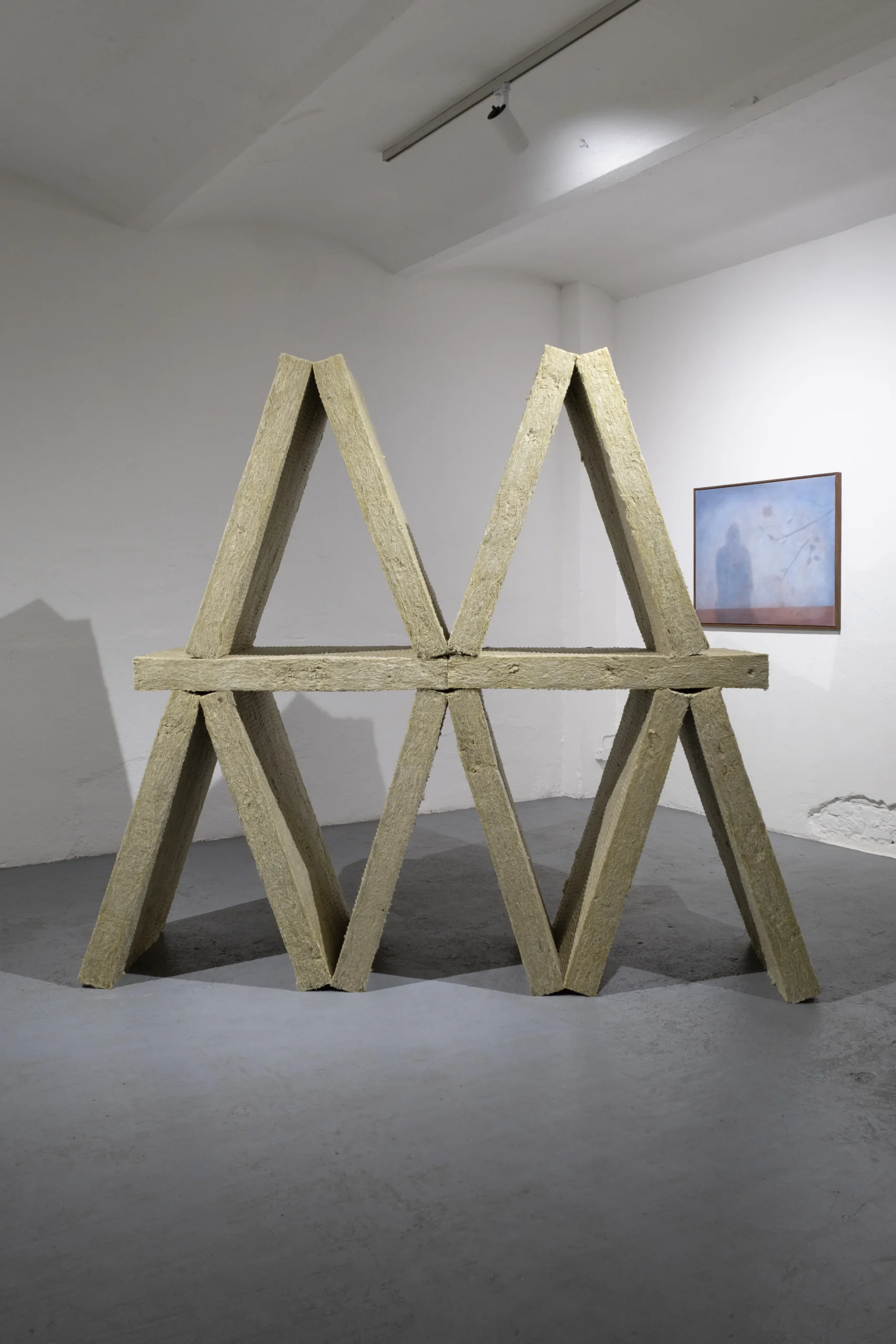
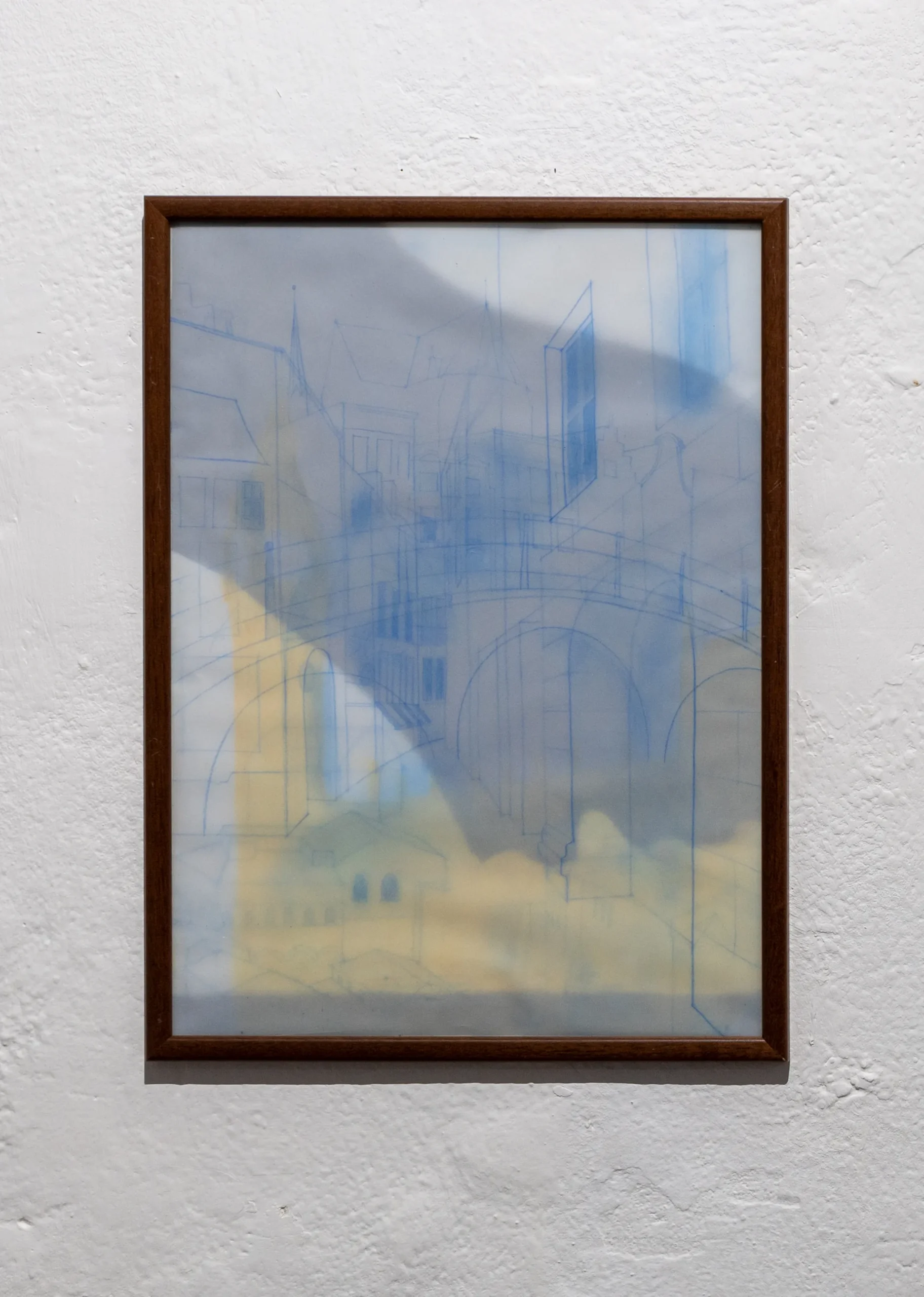
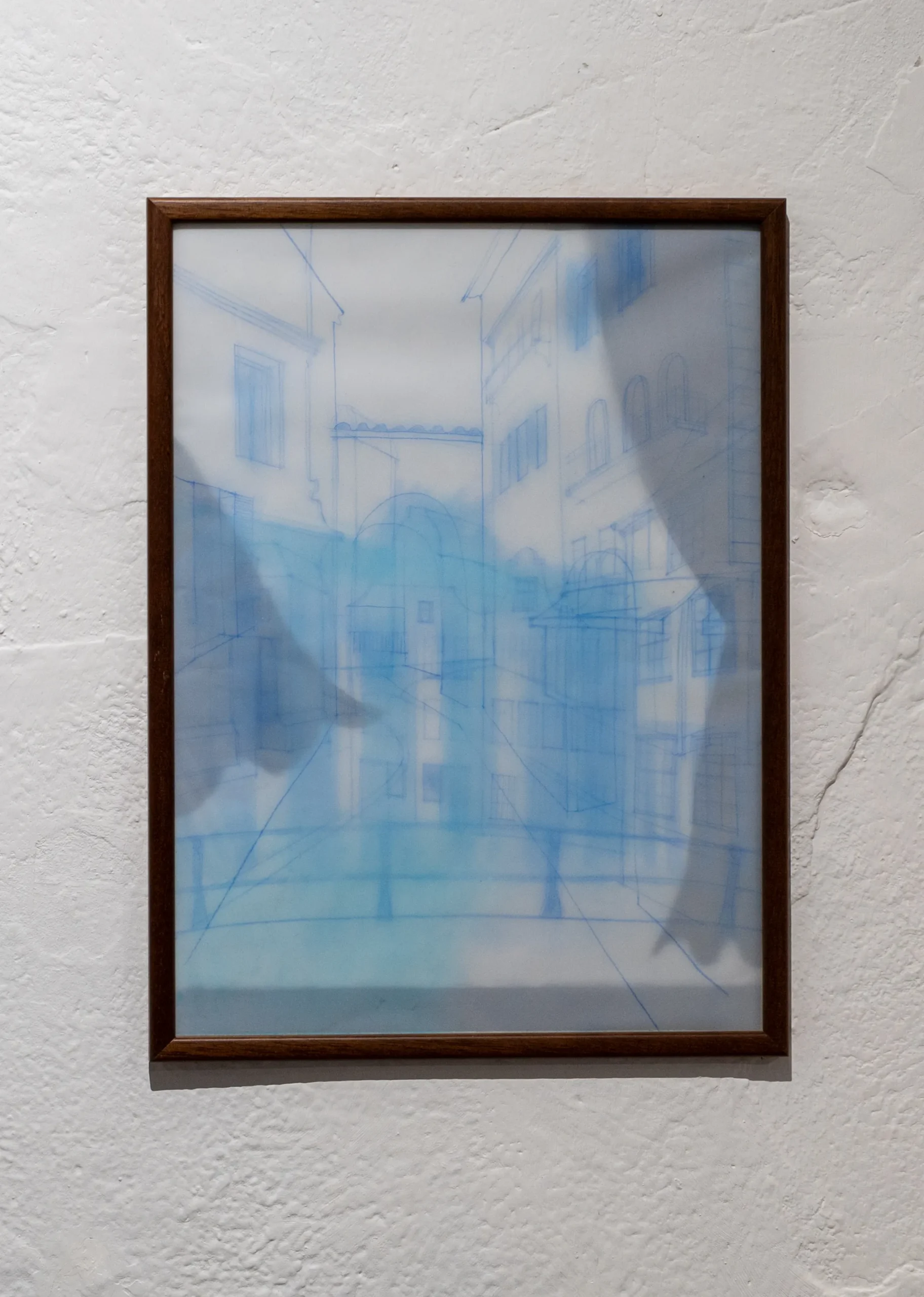
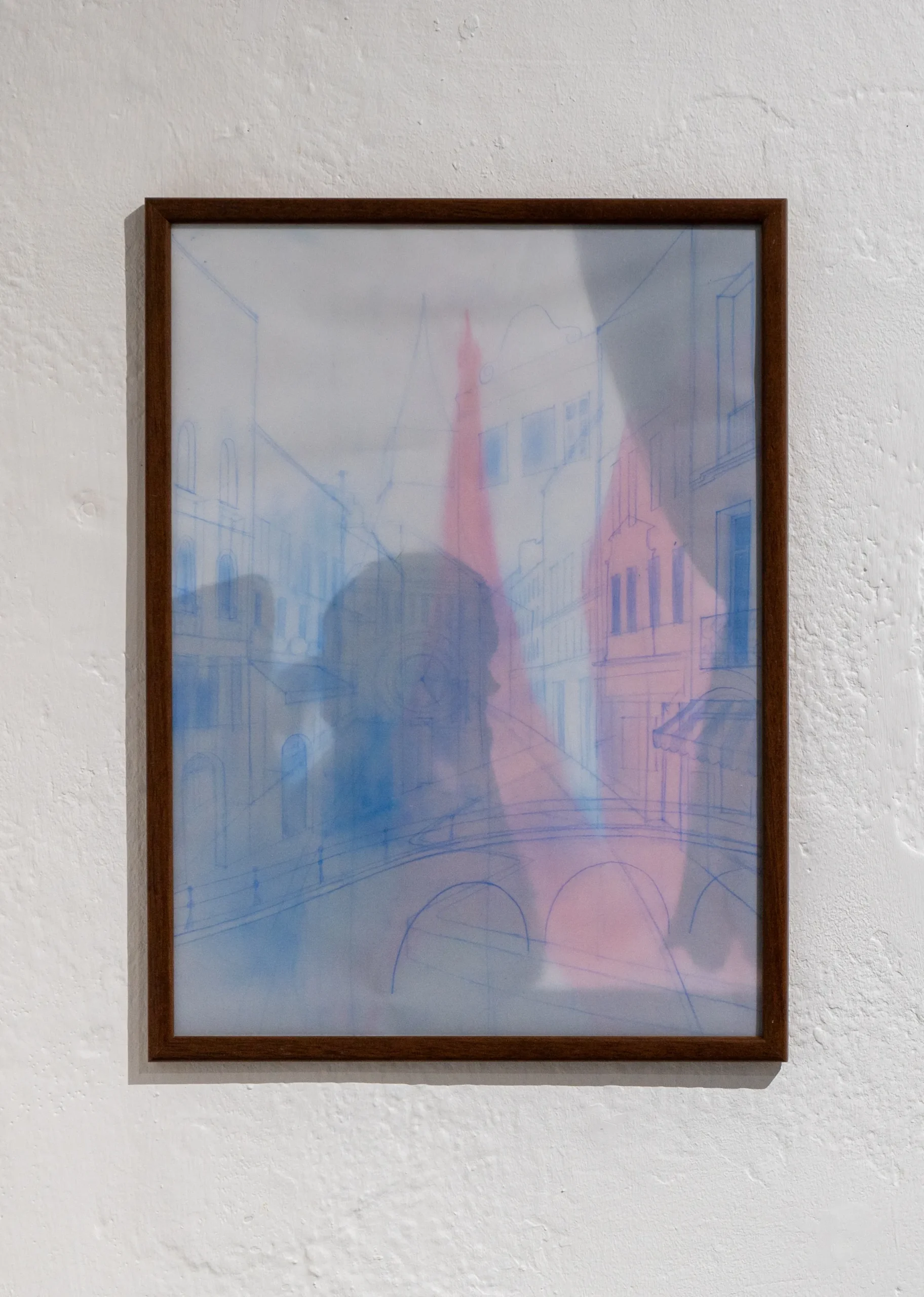
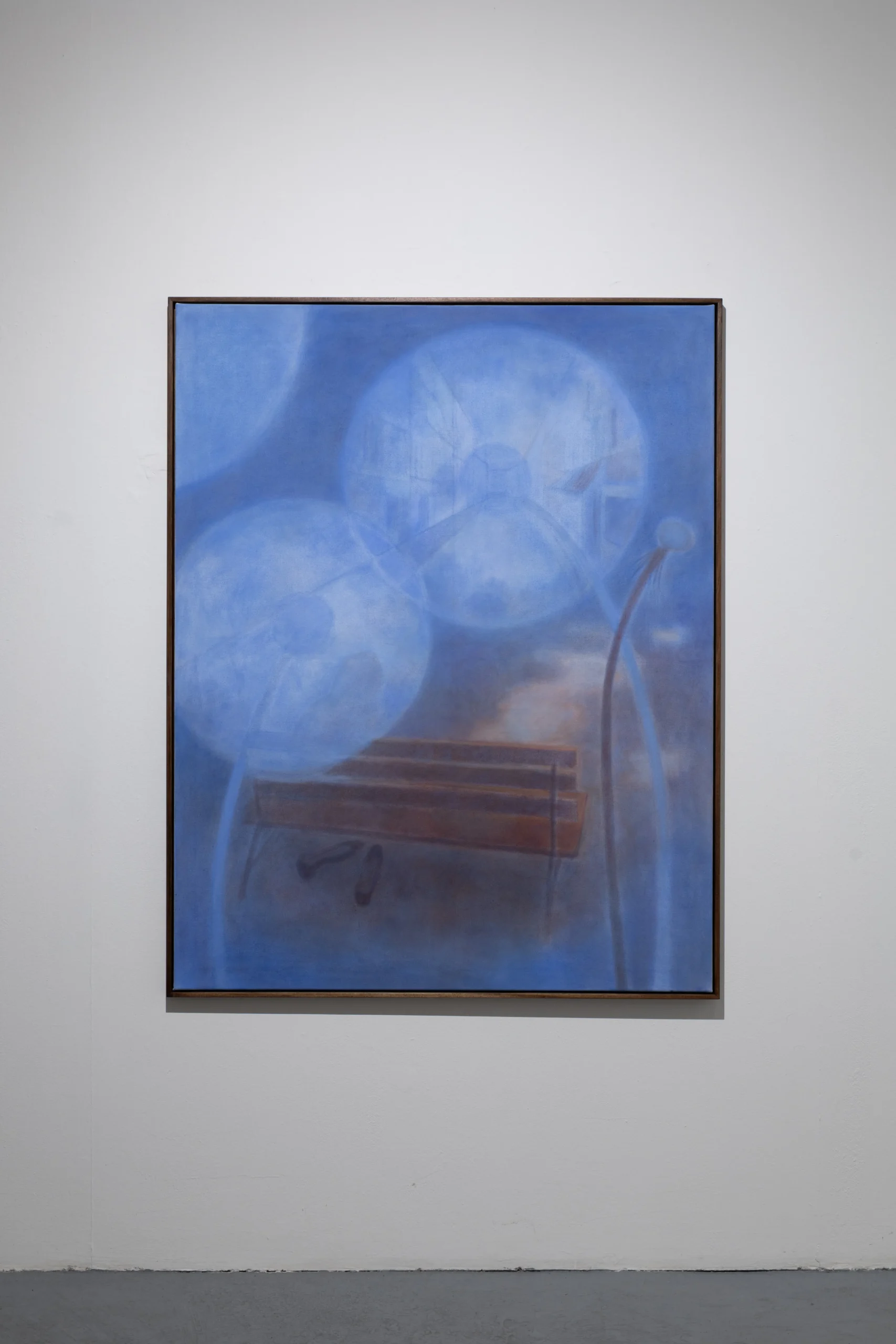
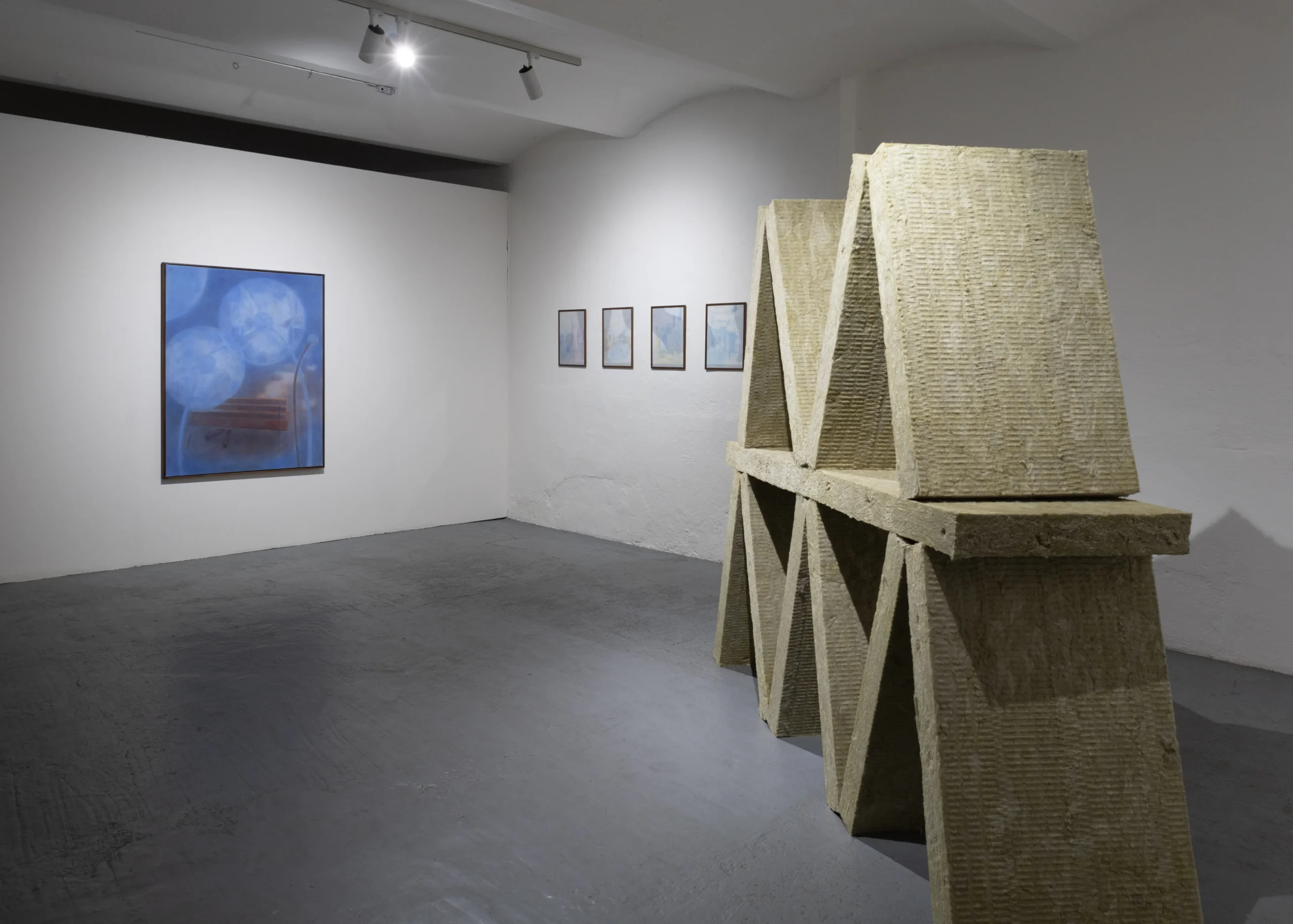
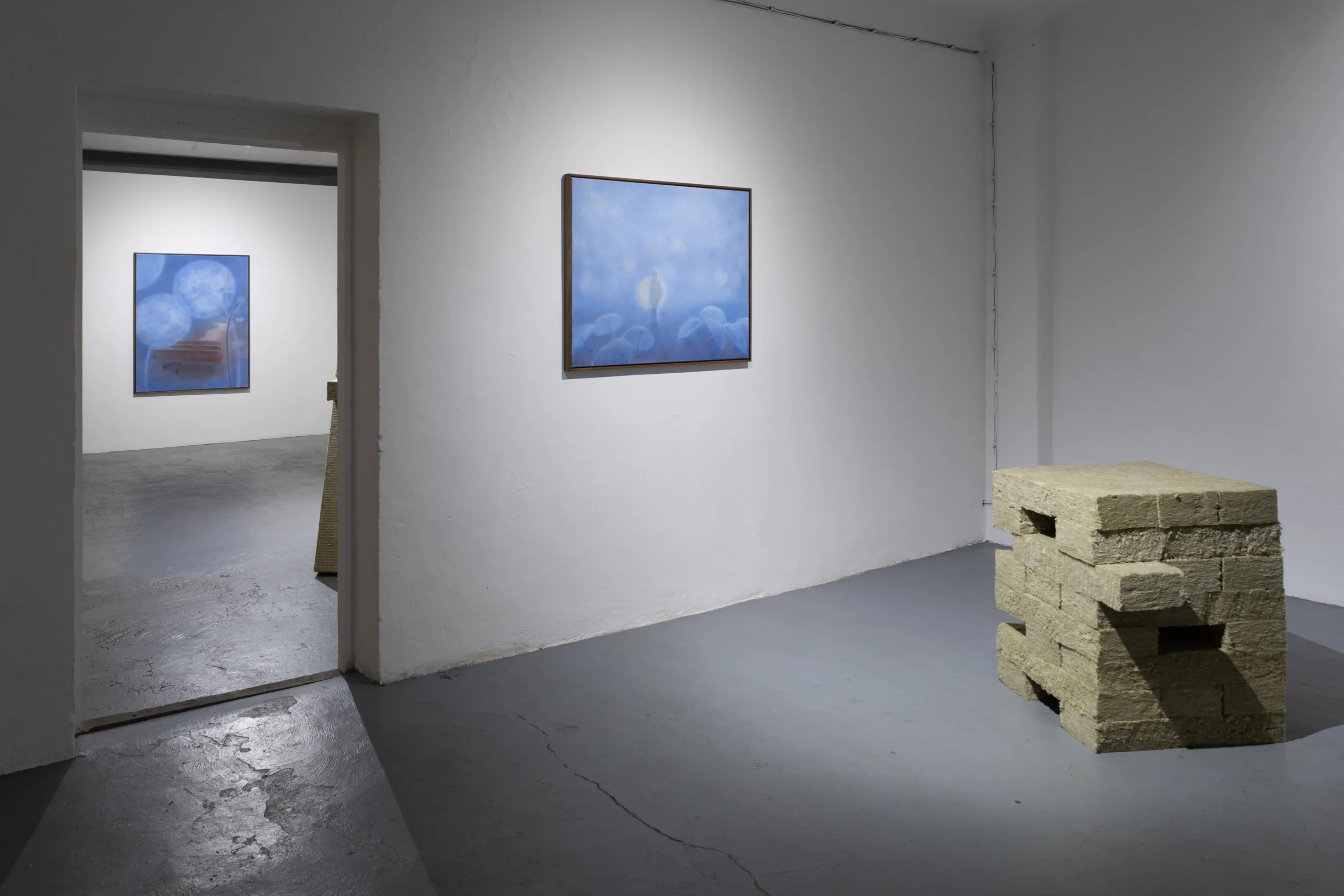
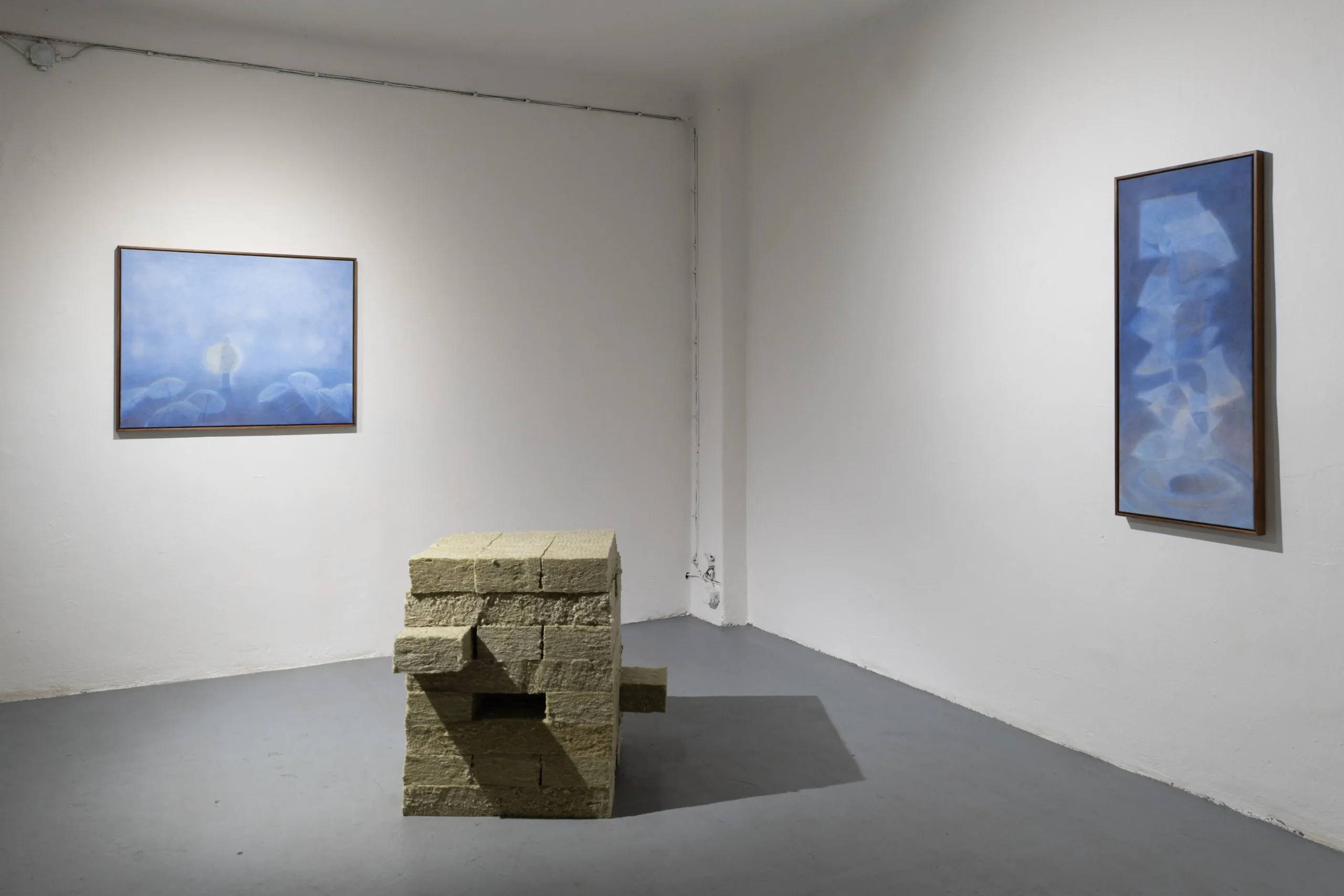
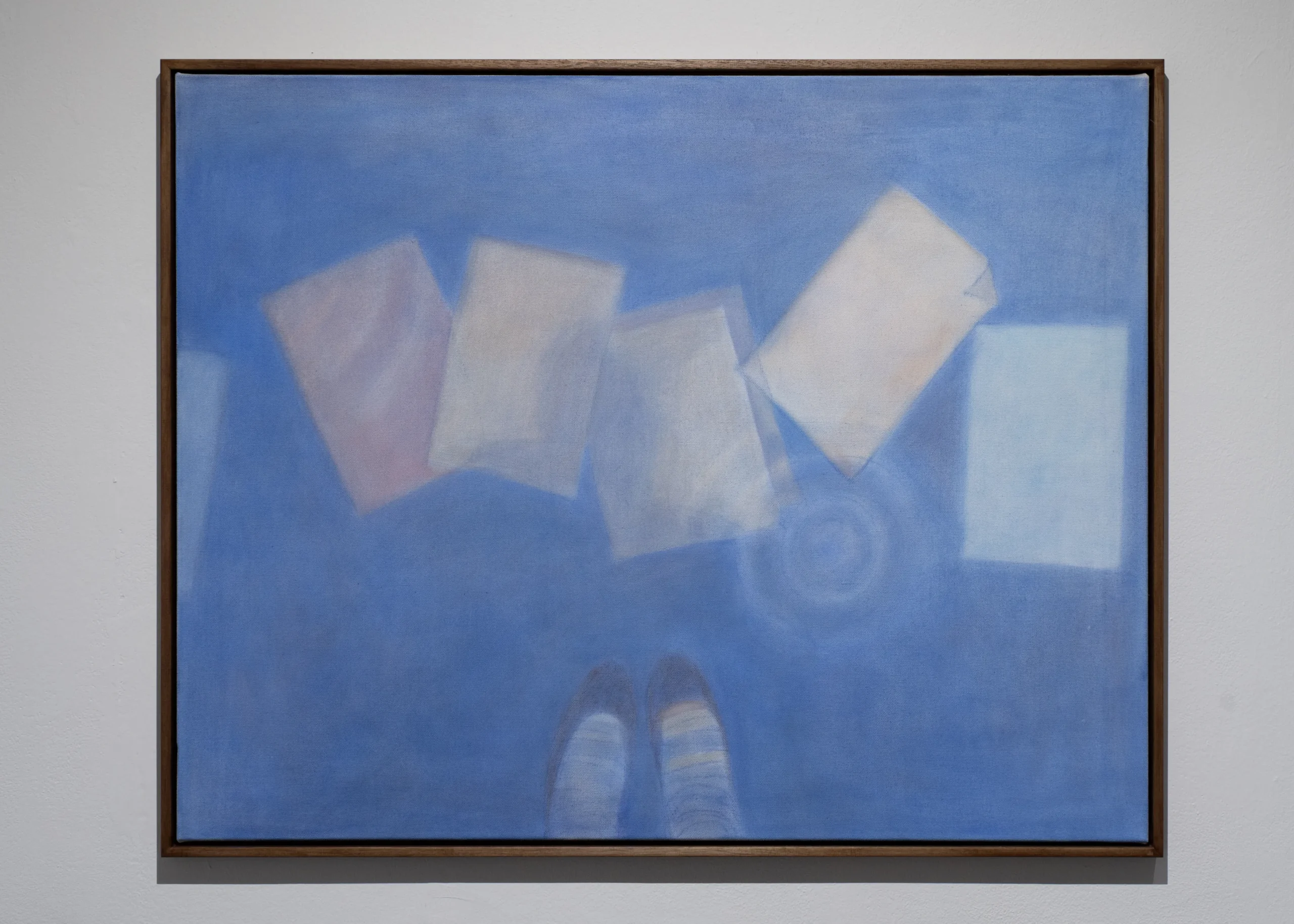
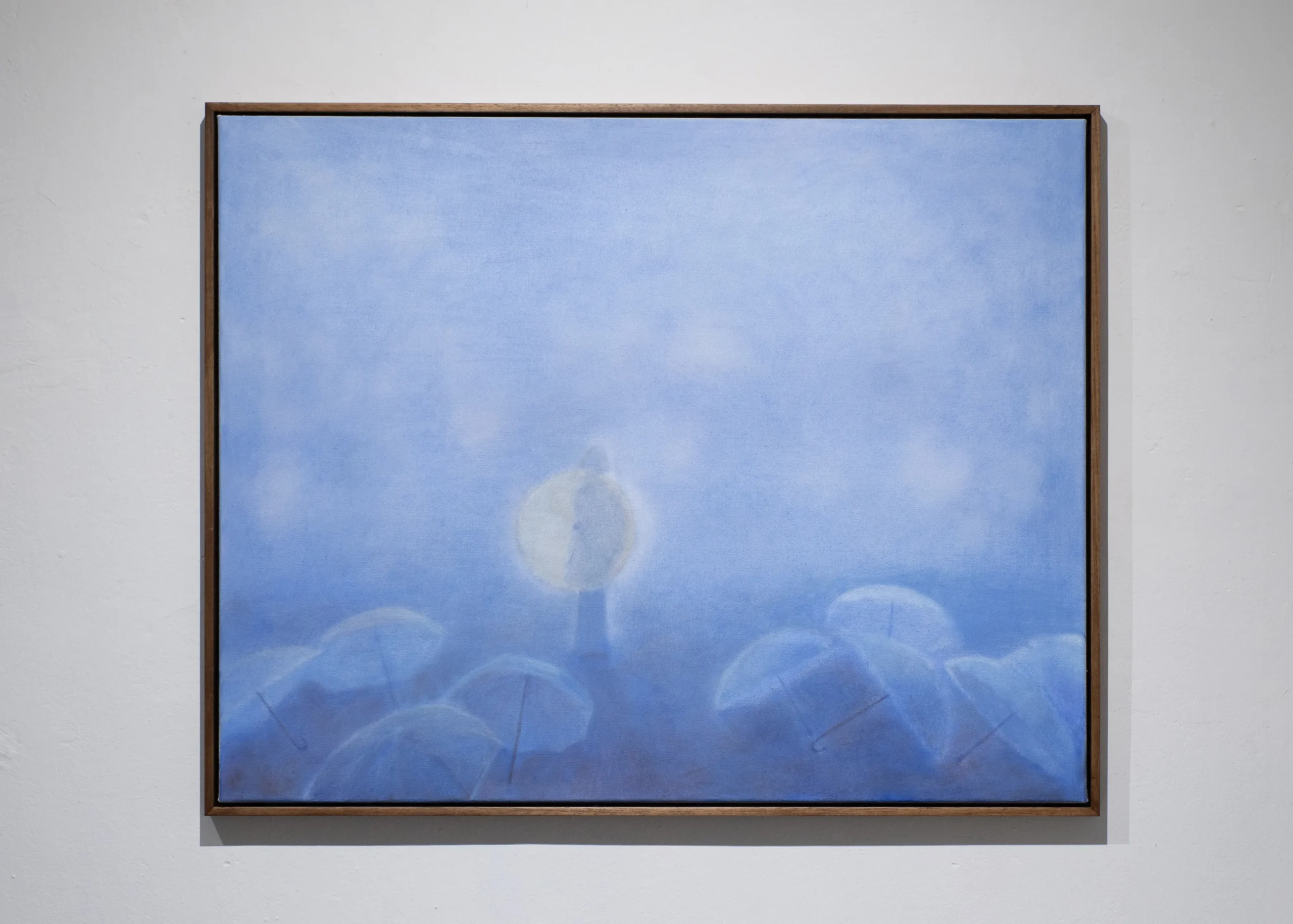
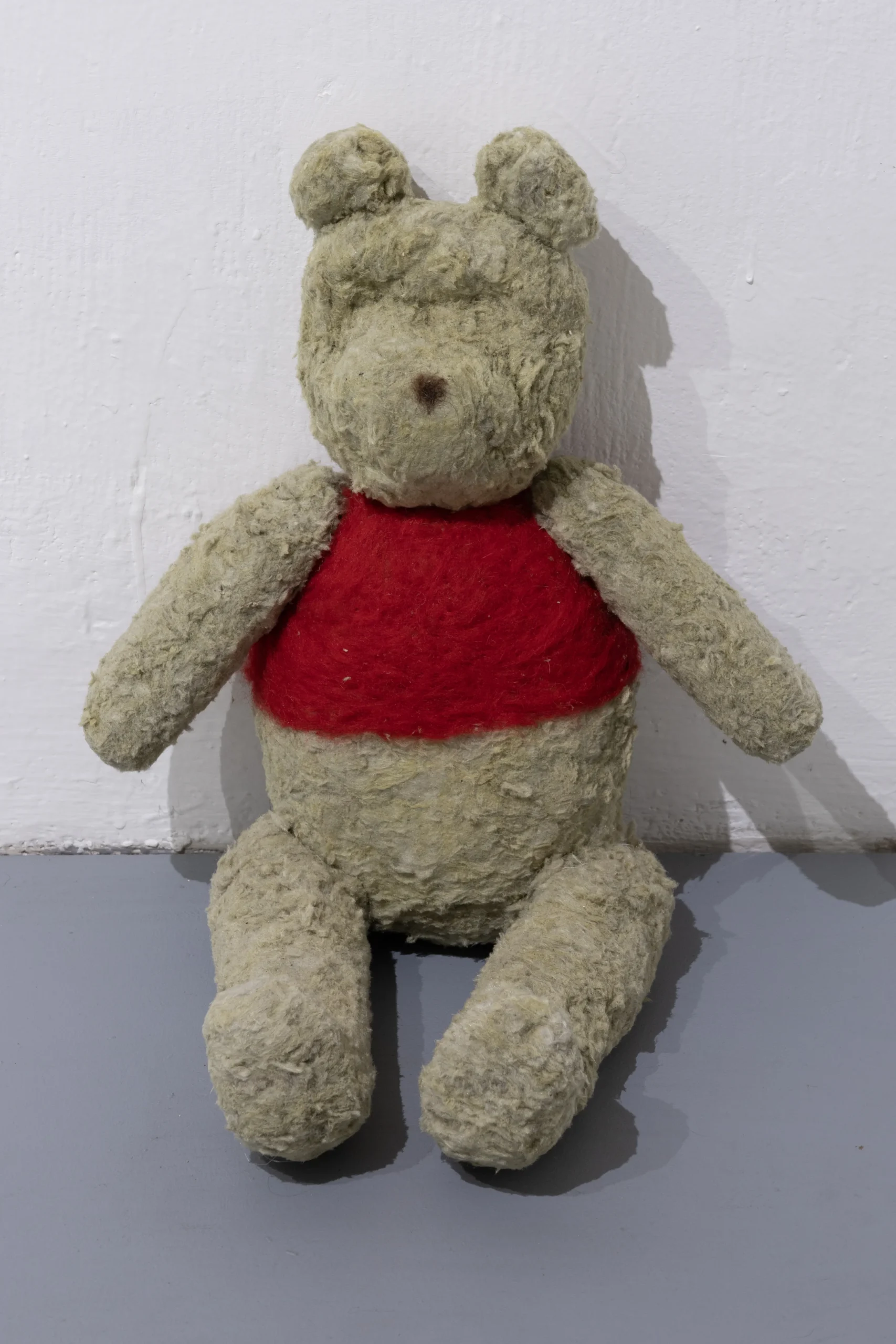
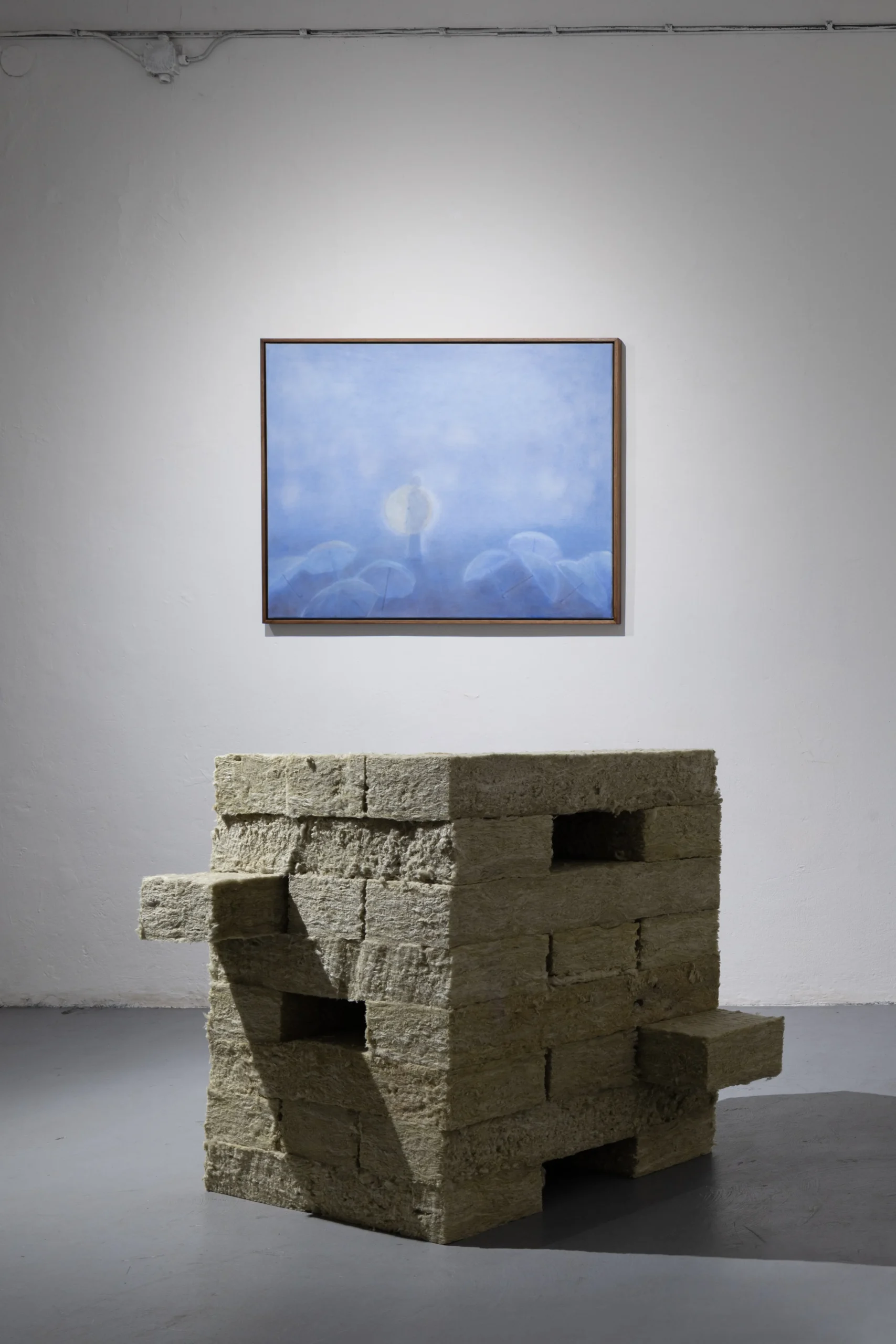
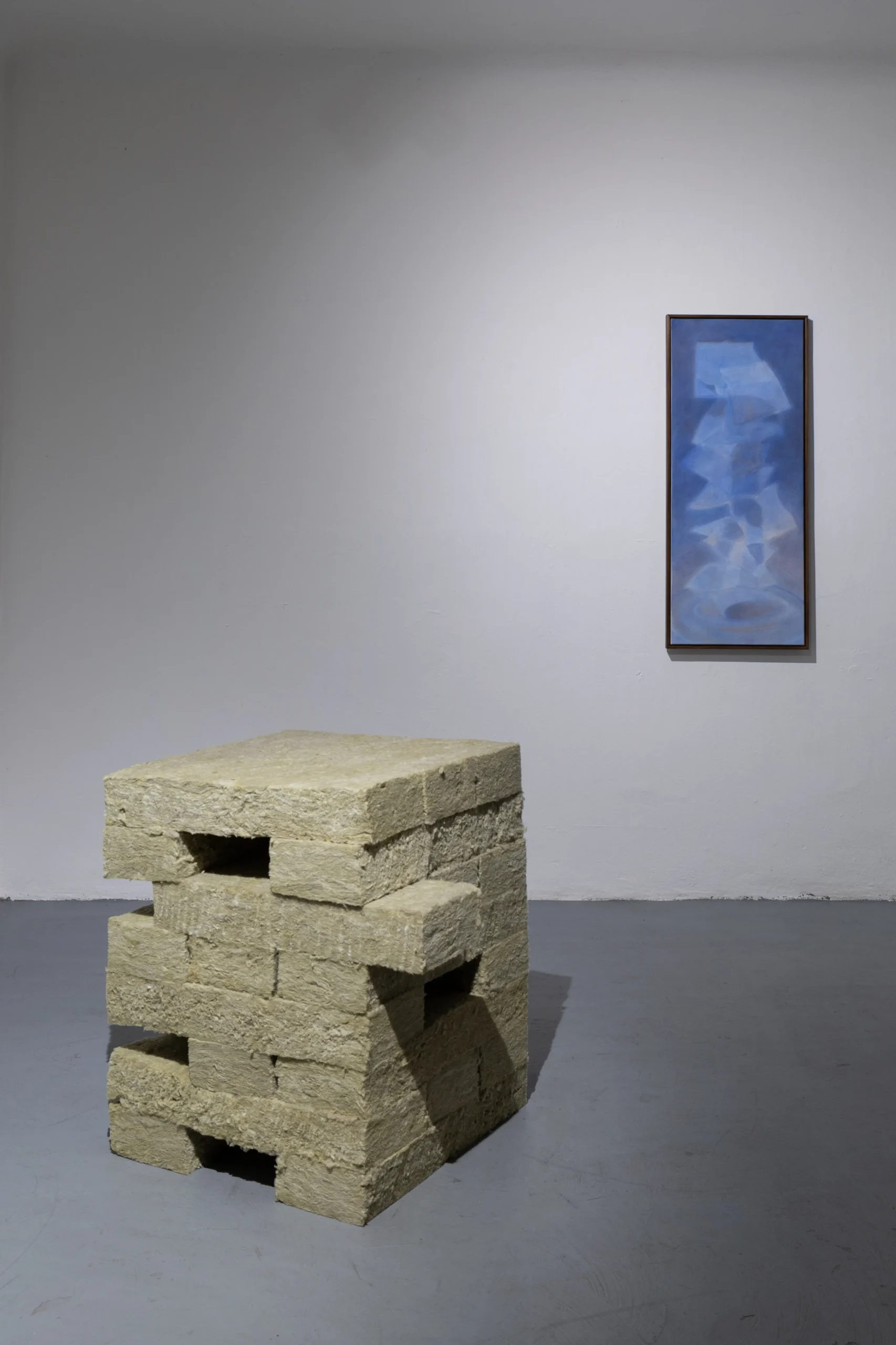
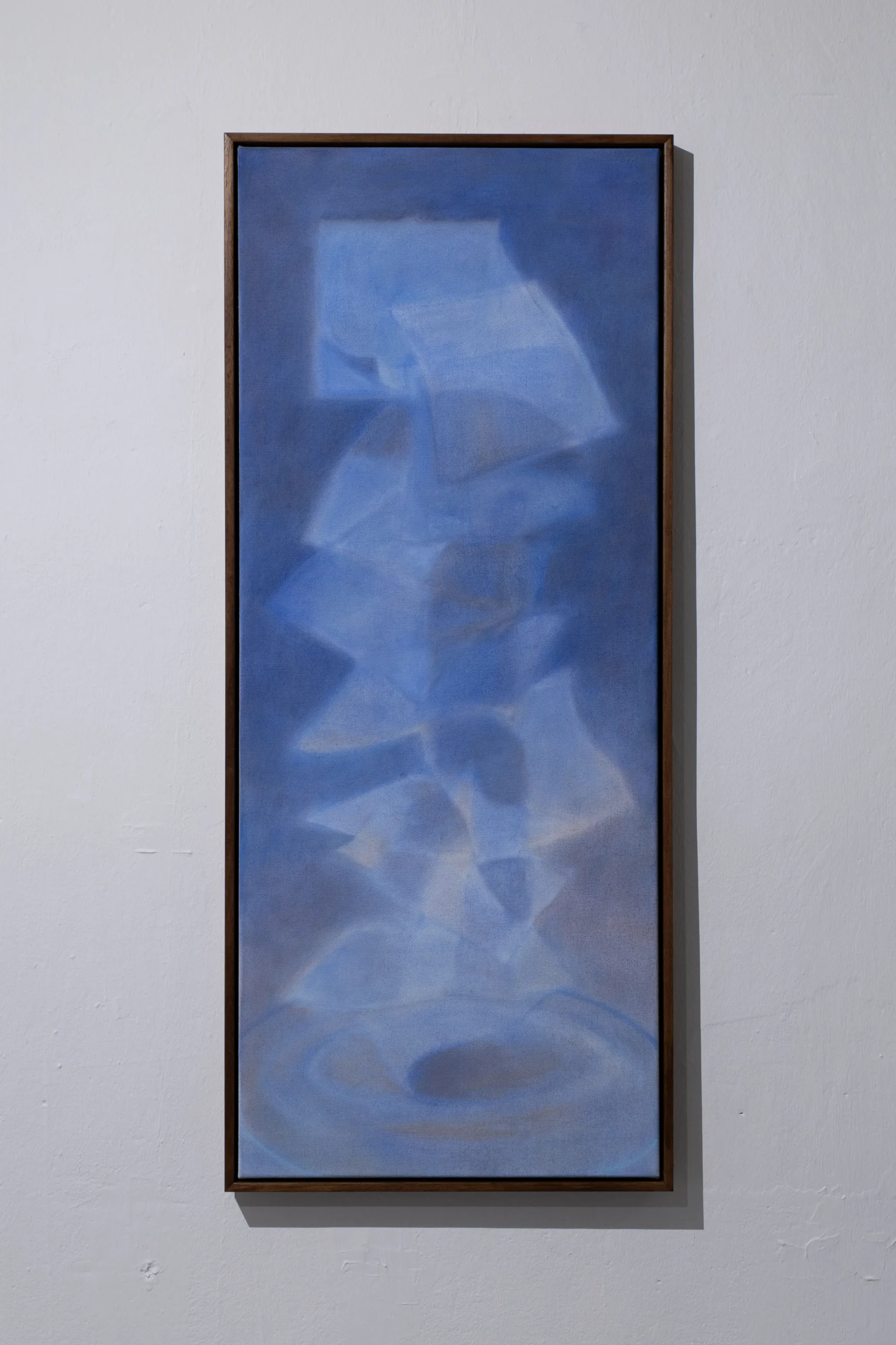
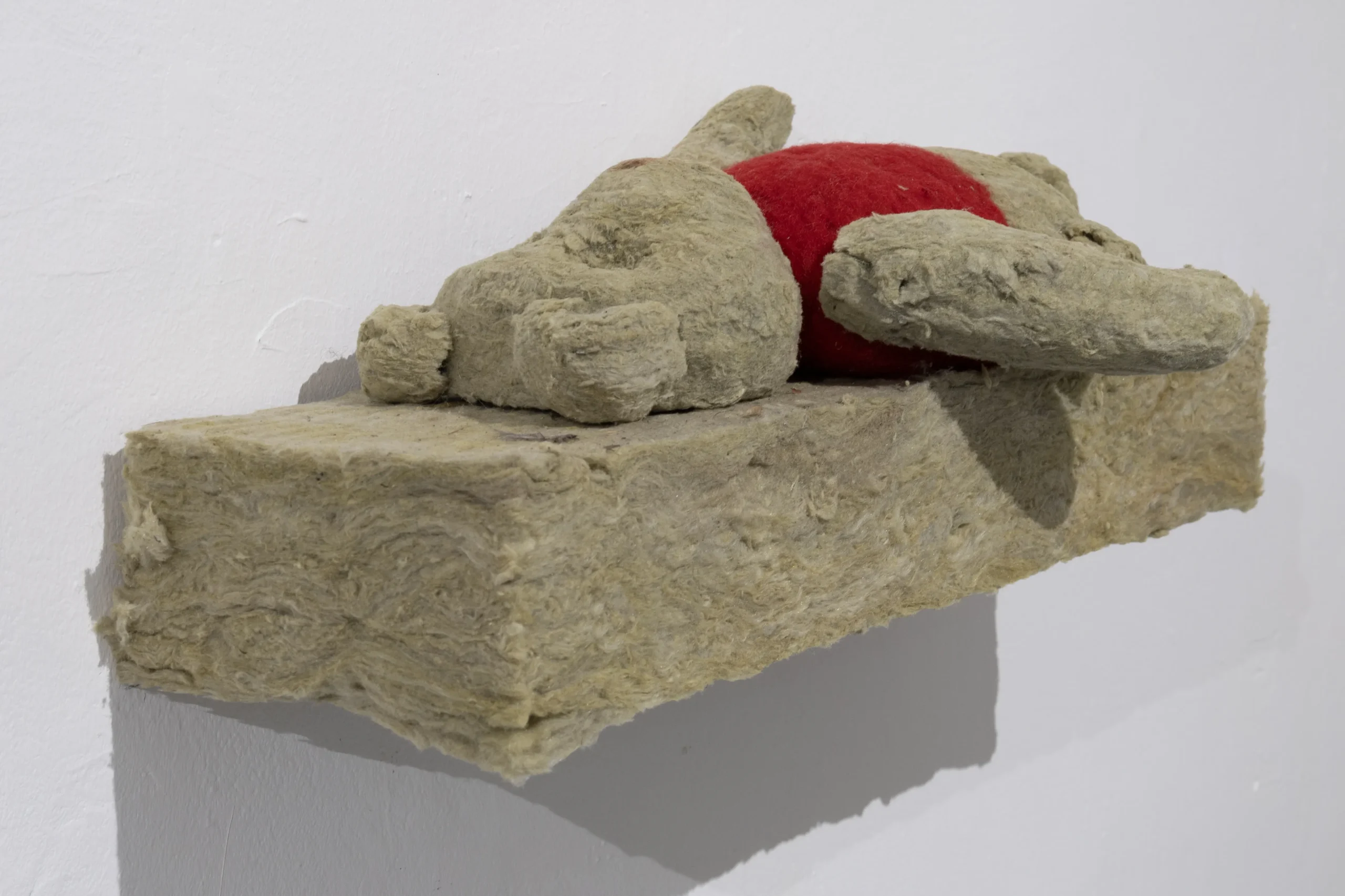
What does it mean today to feel safe, and where do we truly feel at home? What are all the forms of walls and boundaries that permeate our daily lives without us even noticing? The exhibition Out of the Blueprint seeks to explore these questions and examine them from various perspectives. Kaja Lahoda, a Danish artist with Czech roots, reflects in selected works in the exhibition on the theme of walls and home as a space whose meaning is shaped by the binary distinction between outside and inside. Through the use of insulation material—rock wool, patented in the 19th century in the U.S. and now synonymous with the Danish company Rockwool—she brings the phenomenon of insulation to life. This material, made from basalt—which forms when volcanic lava cools—has made our homes even warmer and cozier; yet, at the same time, insulation has further separated people from their surroundings. It is paradoxical that volcanic eruptions themselves are a phenomenon over which humans have no control. This is one reason why today’s urban dweller spends 90% of their time indoors and can no longer imagine tearing down the walls that separate us from the outside world. In the exhibition, the wall is thus constructed as a symbol of safety, but also as a reminder of modern humanity’s terrifying detachment from everything that lies outside—from everything else, from the unknown. This sense of otherness—characterized by feelings of isolation and loneliness—also appears in the paintings of Masha Kovtun, who was born in Dnipro, Ukraine, spent some time working in Strasbourg and Vienna, and now lives and works in Prague. The melancholy and loneliness present in her paintings are thus inevitably linked to a search for her own identity, which is shaped by the unique circumstances of an immigrant living in Prague for an extended period. Although people appear in the paintings, they are more like ghosts or shadows that seem to have lost their voices. Here it is fitting to use the metaphor of language and the naming of the world we see: the immigrant experience is characterized precisely by a broader perspective that encompasses moments of
emptiness, loneliness, and silence. This loss of speech occurs in moments when we see the world differently, yet are forbidden to speak about it.
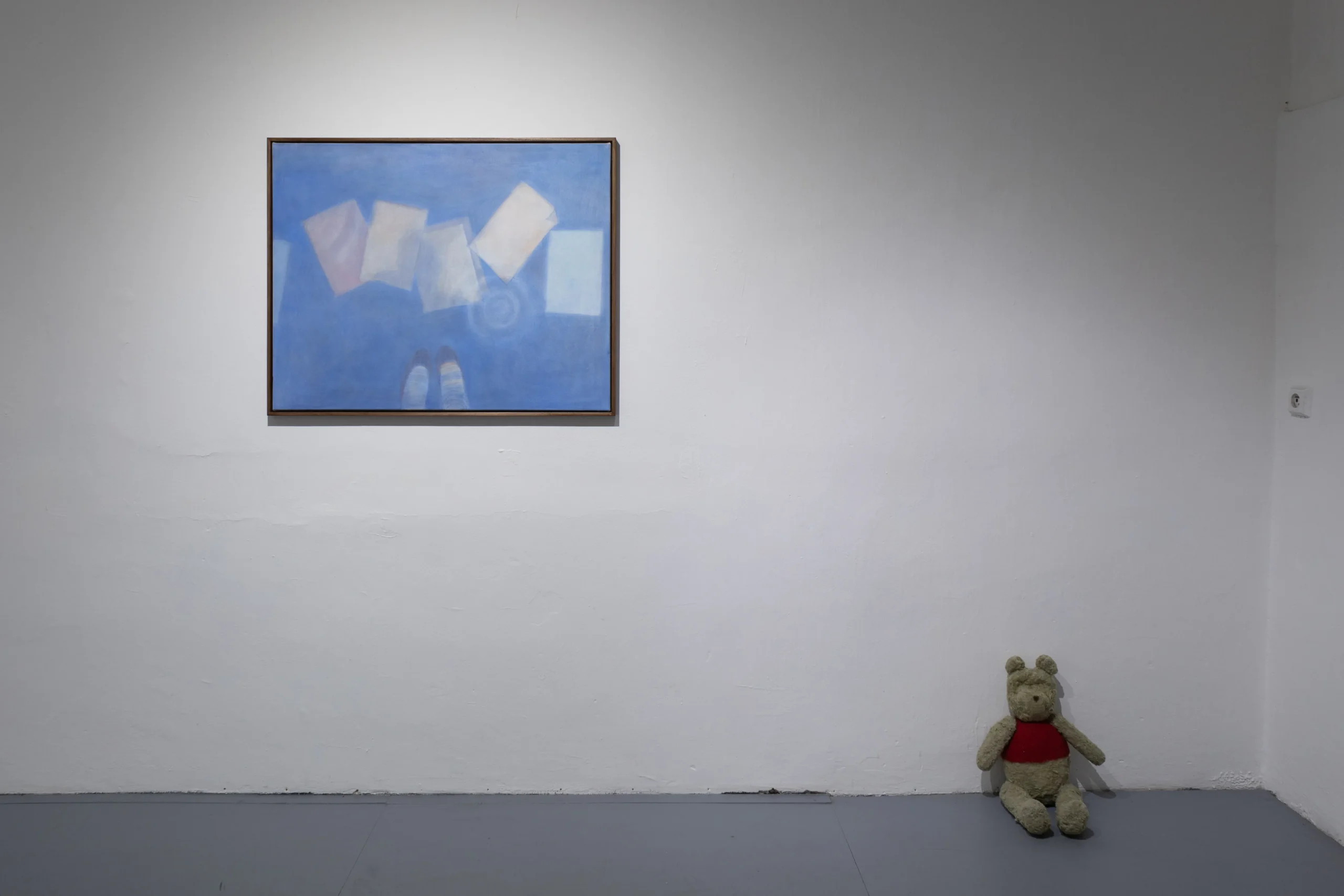
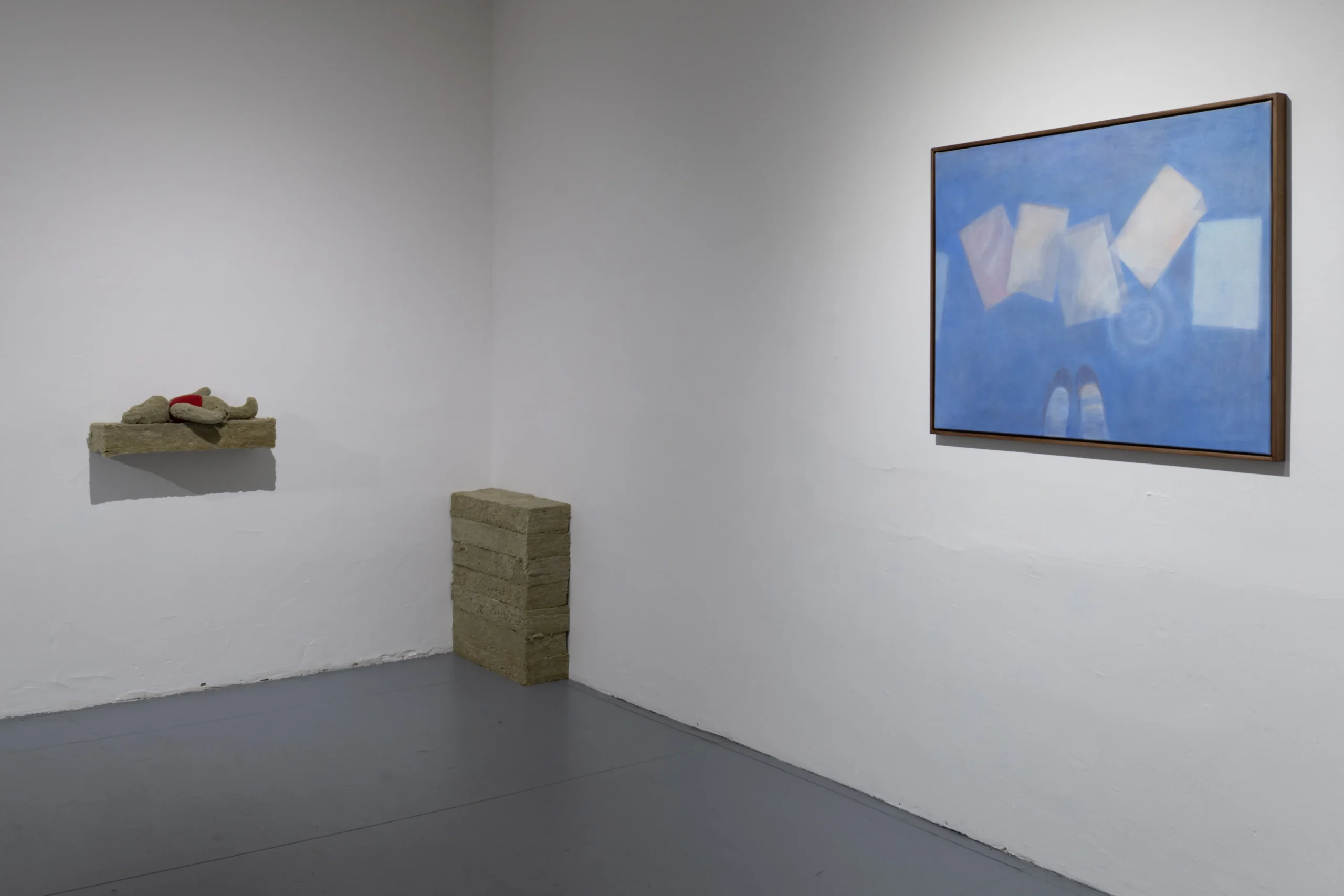
Surprisingly, however, this exhibition is characterized by a certain playful, even naive aesthetic. Here we find evocative symbols and cultural references—such as a teddy bear or colorful striped socks—that in many ways evoke memories of the immediate experience of the world during childhood. These experiences are mostly shared; they contain a nostalgically distant intimacy. Childhood is also accompanied by fairy tales and folk stories about the power of moral decisions capable of overcoming any obstacle—whether supernatural or related to social divides. In this way, they transcend a world built on binary opposites, on material walls and virtual barriers that separate us from one another and reinforce our feelings of loneliness and social isolation. After all, in the online world, we can easily succumb to the naïve notion of building communities and sharing feelings of closeness, understanding, and belonging, but multinational corporations (such as Meta) continue to exploit all our user data in an effort to systematically build impenetrable walls in interpersonal communication, which they then successfully monetize through the algorithmic operation of social networks.
It is easy to imagine that the ubiquitous floating scraps of paper in Mashi Kovtun’s paintings could potentially fly over the wall. Kaja Lahoda’s objects, assembled from insulation material, may evoke a child’s joy in stacking individual blocks on top of one another, or they may also speak to a past in which opposites such as outside and inside, there and elsewhere, near and far, were not so strictly and artificially separated by socialization within the power structures of political institutions or multinational corporations, and were not such an inseparable part of our lives. Finally, I’ll mention an imaginative scene from the Italian film Happy as Lazzaro (2018), which depicts a parable about the experience of exploitation in the contemporary world: Lazzaro and his friends are repeatedly deprived of the ability to make decisions about their own lives; they find themselves in a modern city where, although they are no longer formally serfs, they still remain on the margins of society. The abandoned and the poor hear music coming from a church where they seek refuge, but they are not welcome there. The music, which continues to play even after they leave the church and follows their footsteps, serves as a metaphor for a shared experience; it travels beyond institutional walls and creates a sense of safety in streets filled with ruins. Whether they are shared melodies without words or the symbols that appear in the exhibition—symbols that are familiar to us all—they speak of a refuge that can belong to all of us, at least for a moment.