


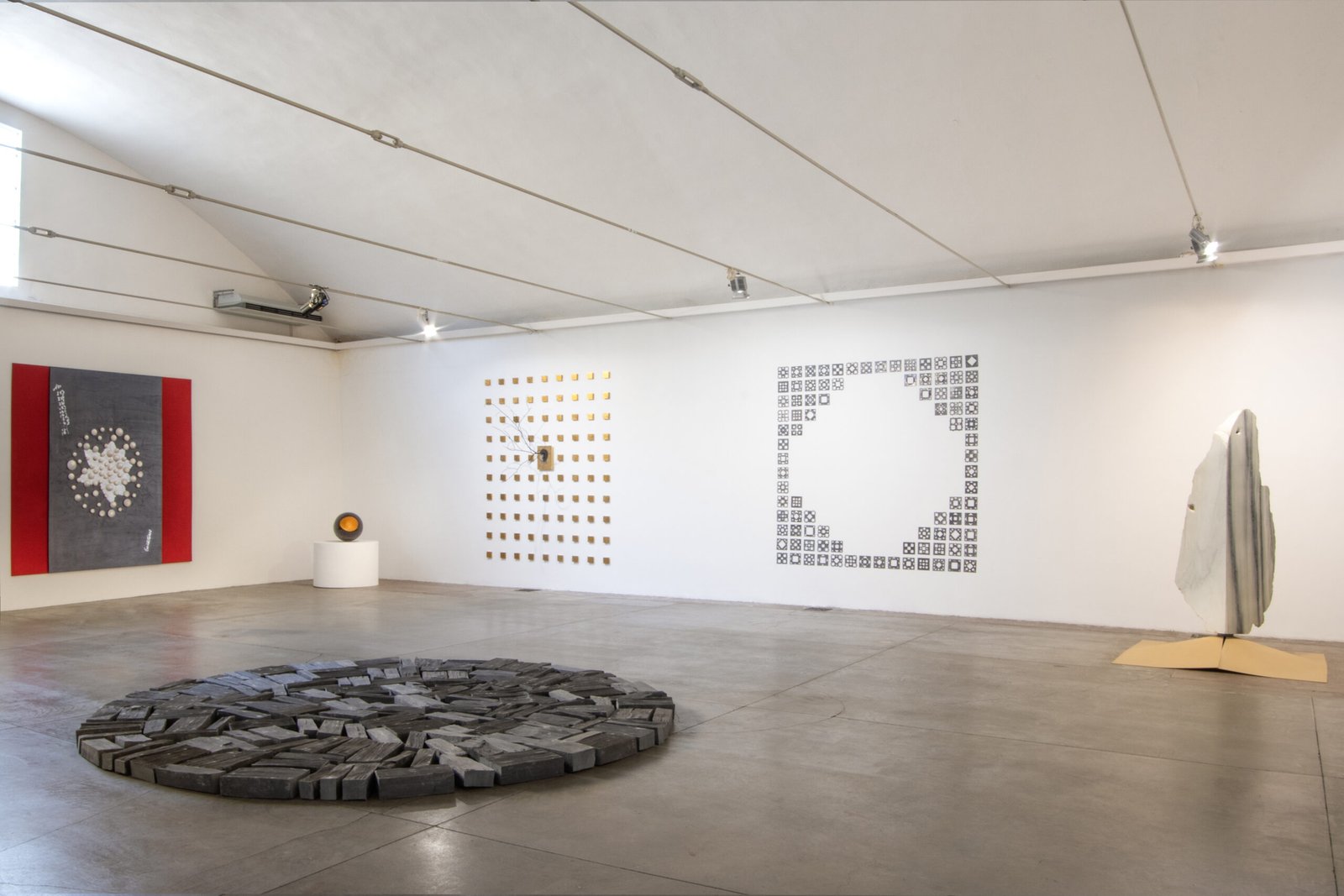
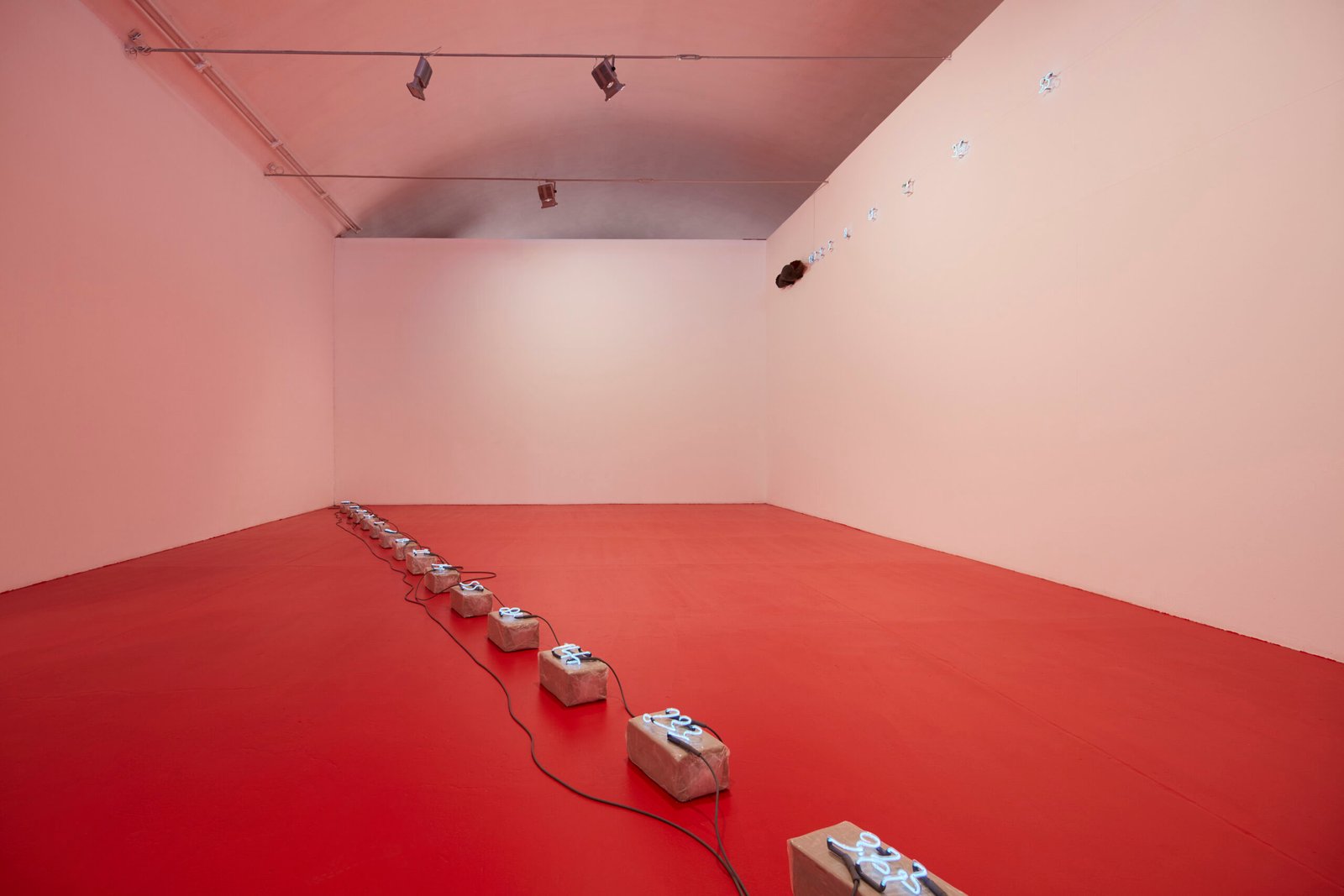
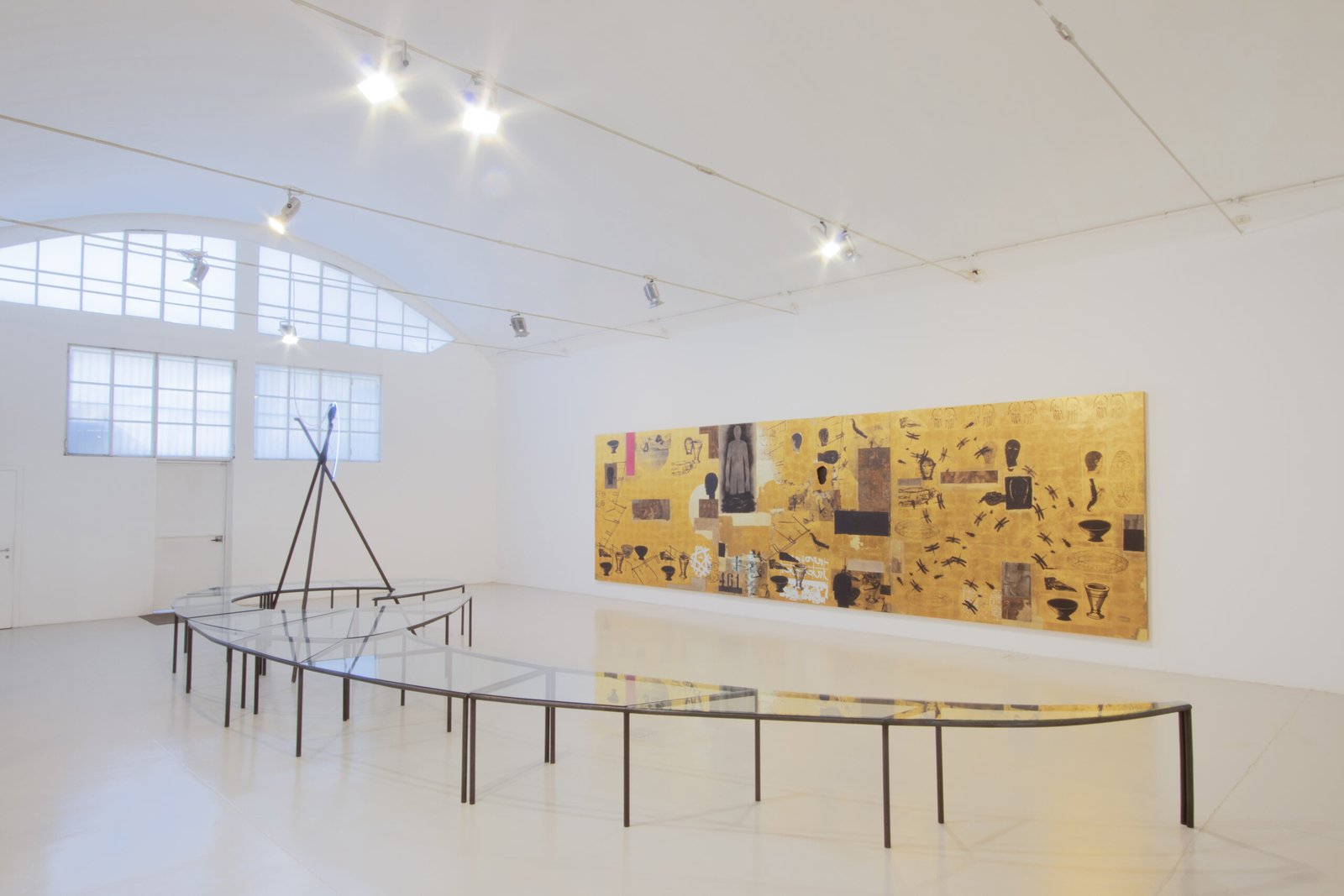
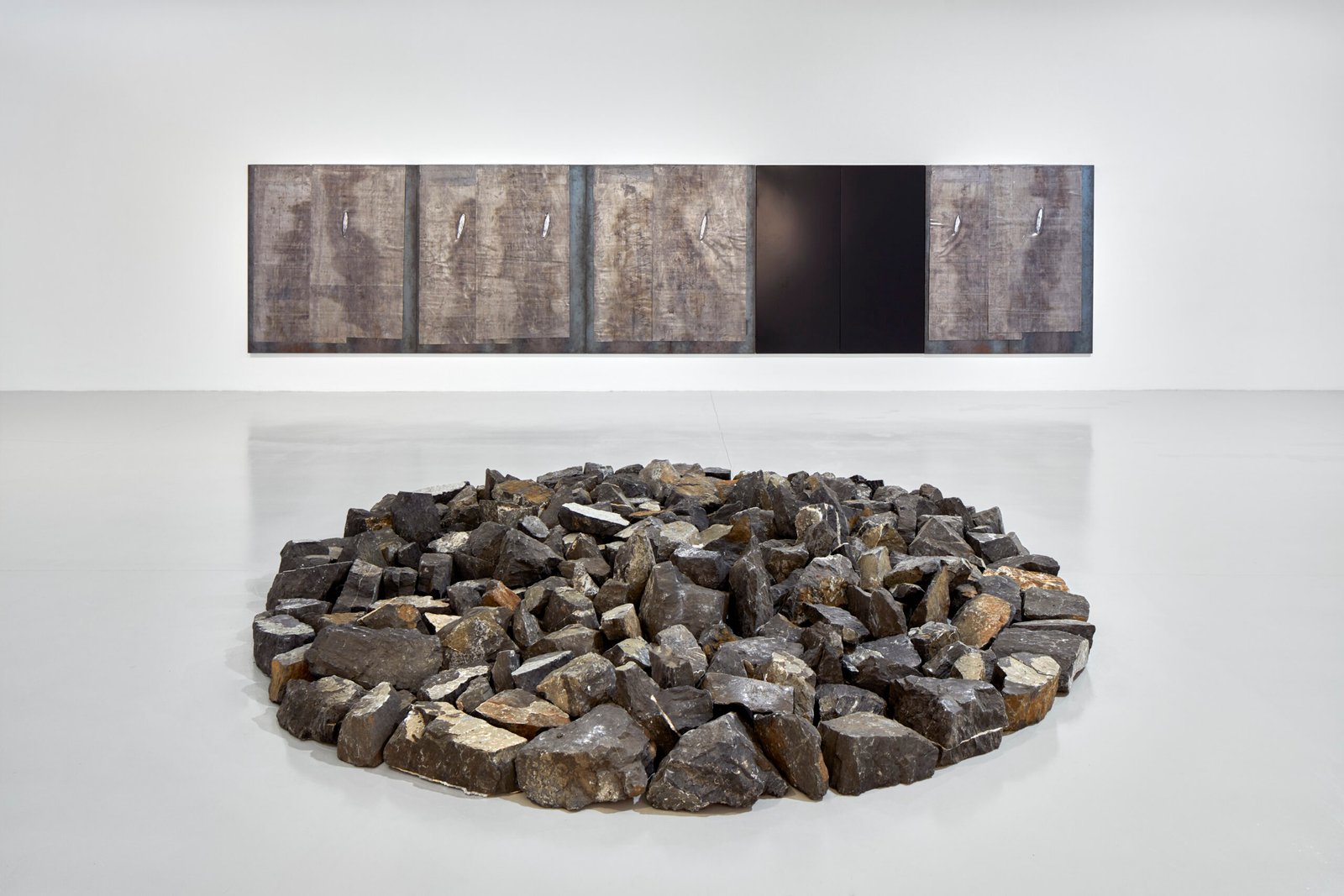
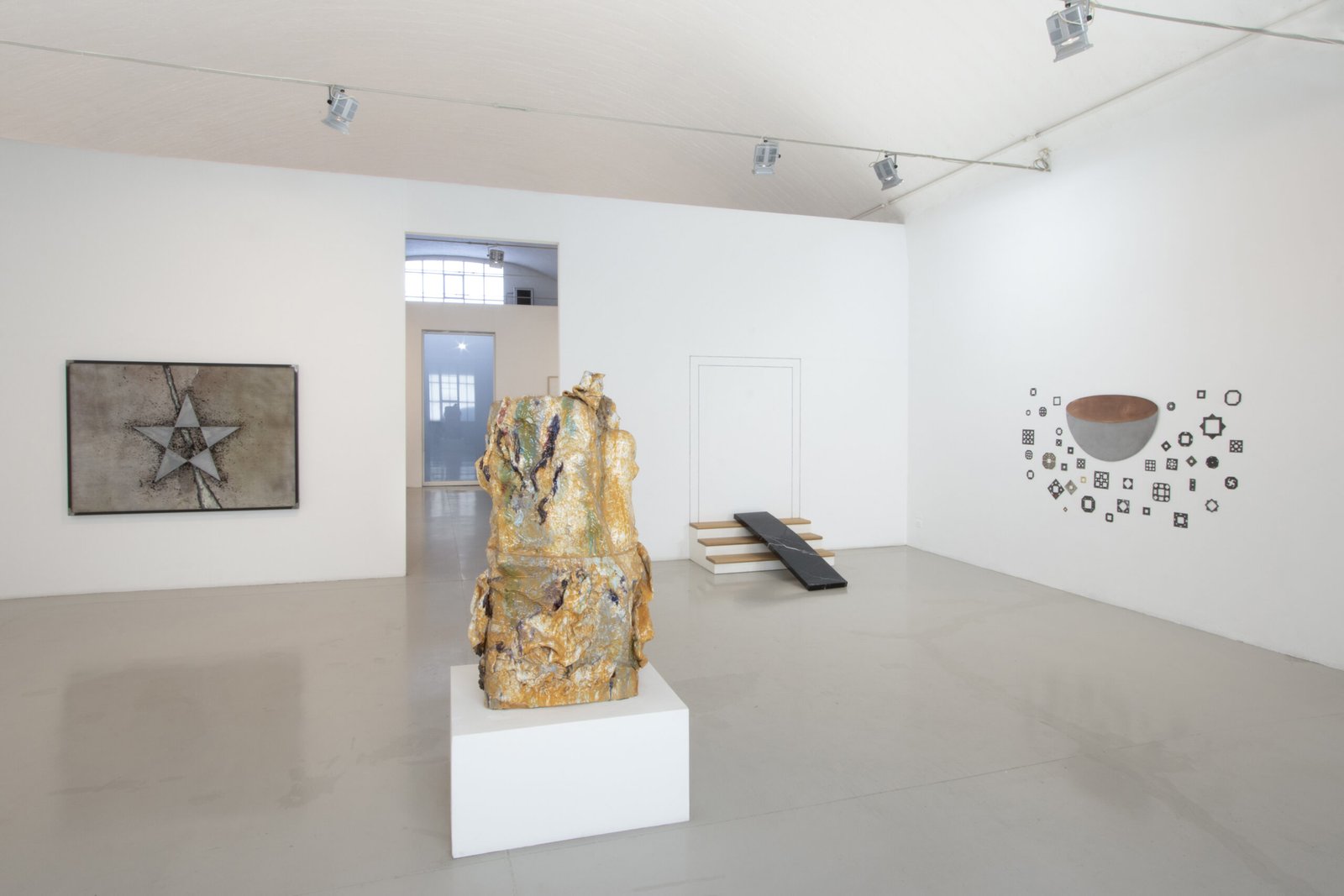
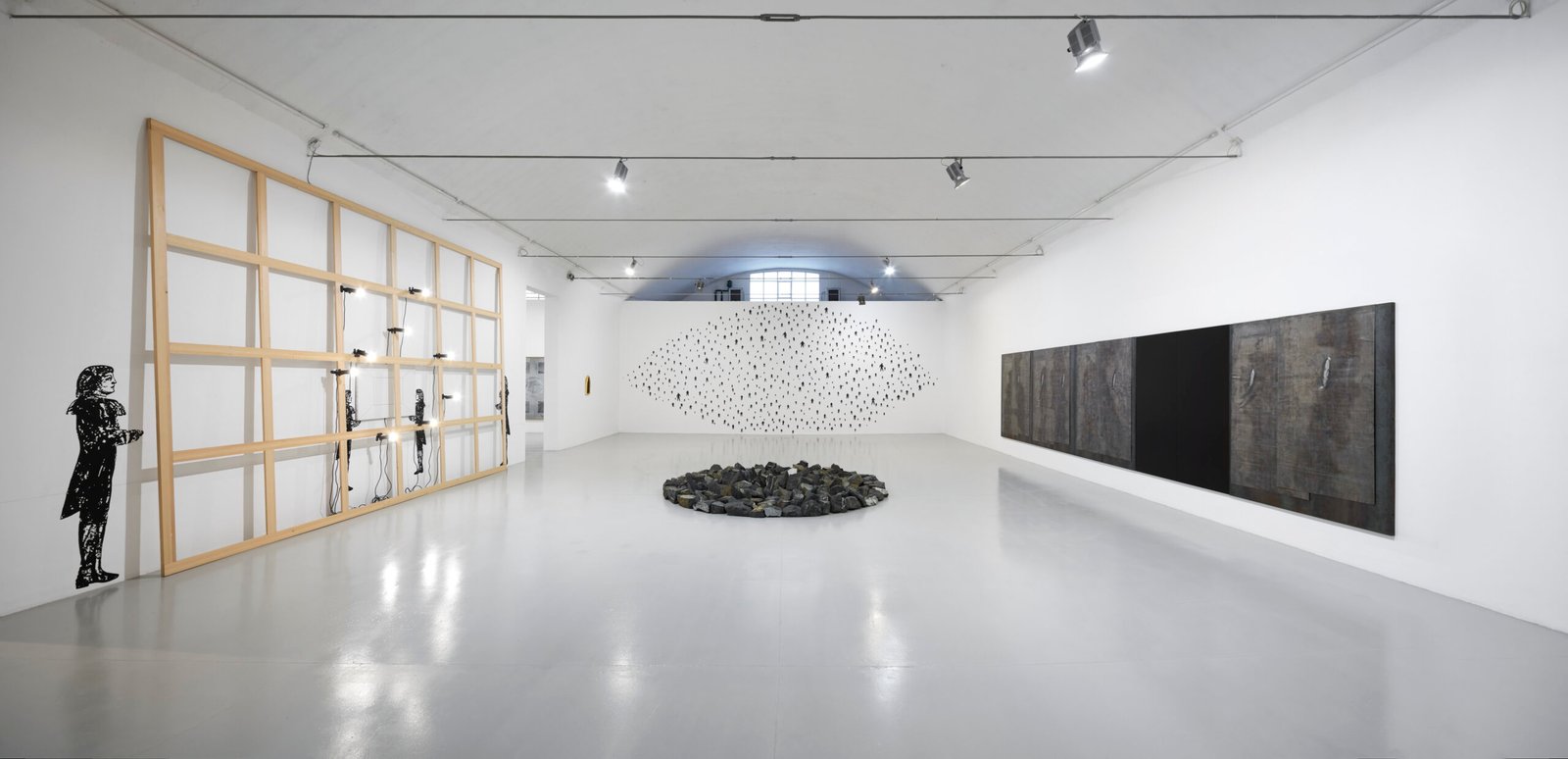
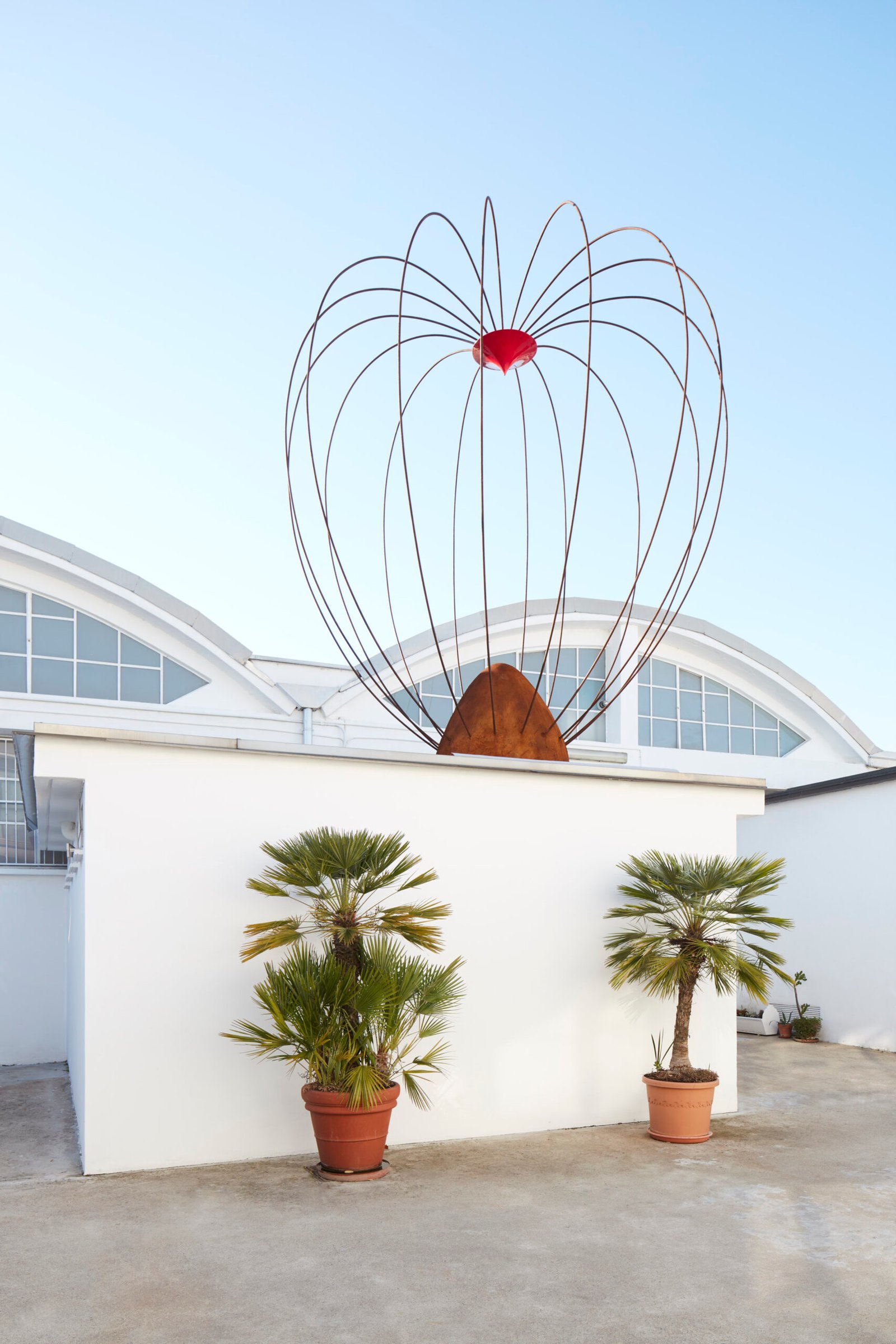
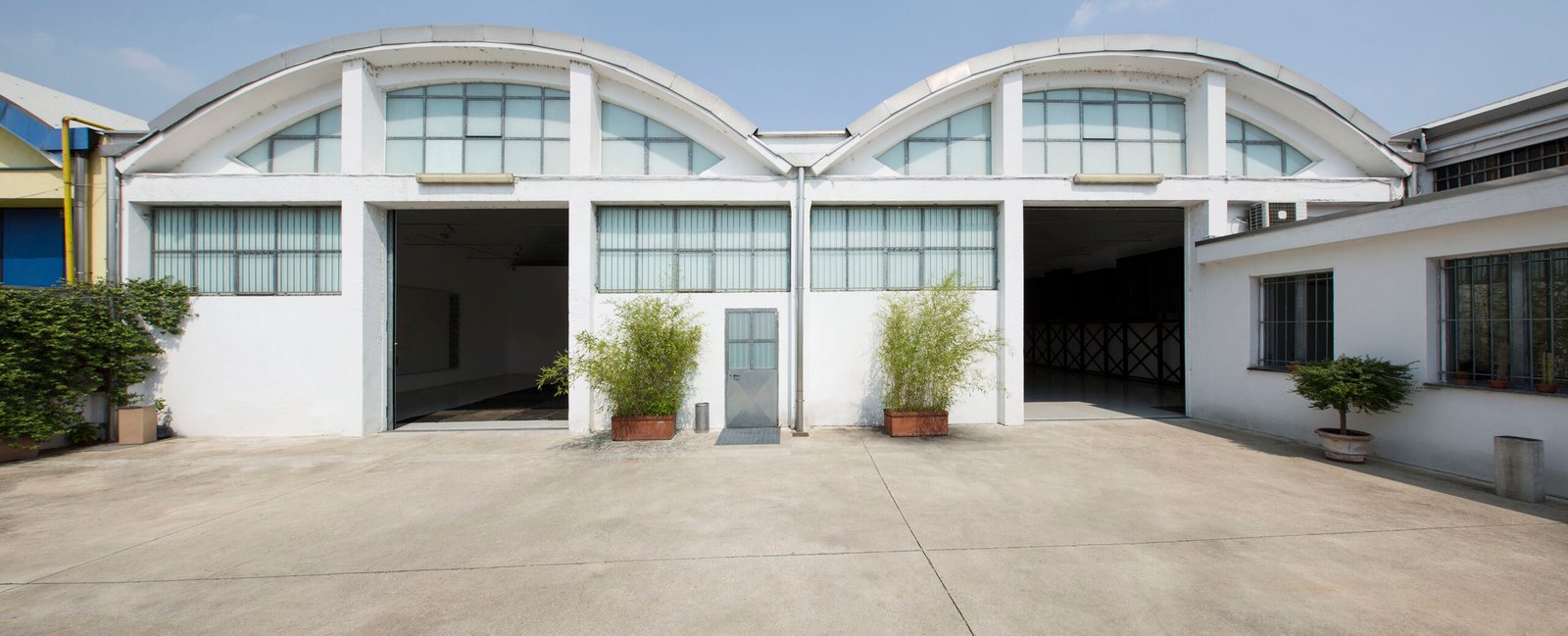
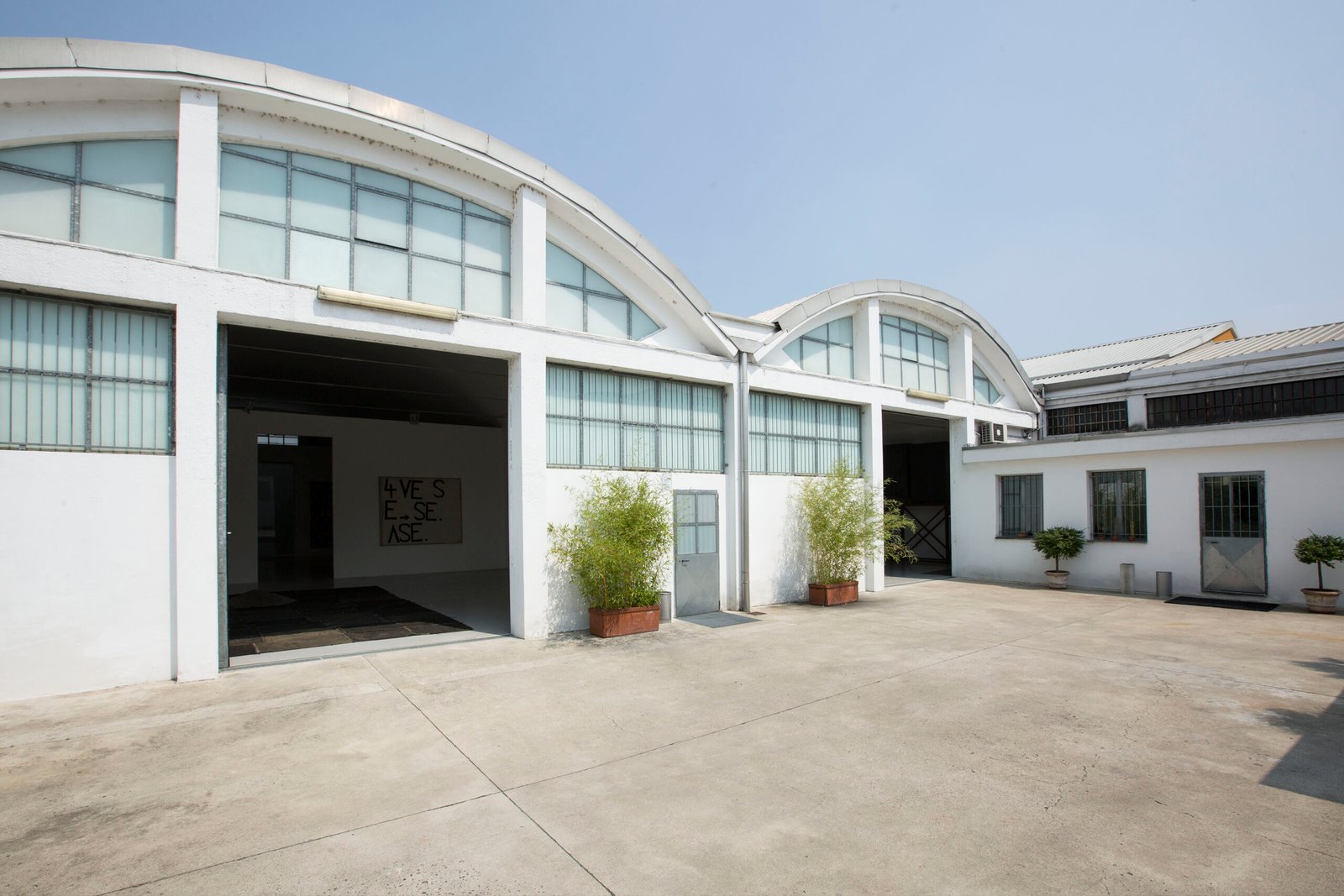
To mark its sixty years of activity, the Galleria Christian Stein is opening to the public its former industrial spaces on the outskirts of Milan (Via Vincenzo Monti 46, Pero/Milan). From April 10 to June 6, 2026, it will be possible to see a broad selection of works from the gallery’s storage facility, on permanent display but usually only accessible for private visits. Collected in these spaces, the large-scale installations of the artists originally represented by the gallery and the members of later generations who have shaped its identity from 1966 up to the present day.
The Christian Stein Deposito is open every Friday and Saturday from 11am to 7pm or by appointment.
Christian Stein’s ample storage facilities take on the role of a place in which works are not simply conserved, but continually connected with one another in keeping with a dynamic approach to the archive. A conception of exhibition that had already emerged in recent years: between 2014 and 2019, the site in Pero had in fact hosted a series of anthological shows of the kind staged by museums devoted to the artists represented by the gallery. With this reopening, therefore, the Christian Stein Deposito confirms its role not just as a repository, but as a space in which works are stored, stratified and transformed along with the relationships and stories that pervade them. A retrospective in the making, in which time accumulates and remains active.
The renewal of the Deposito’s function as a place of exhibition is something that is also part of the history of the gallery, which has always been characterized by a particular attention to the relationship between artwork and space. From the first location on Via Teofilo Rossi in Turin, opened in 1966, to the home-gallery on Piazza San Carlo and then the Milanese spaces on Via Lazzaretto and Corso Monforte, the sites of the Galleria Christian Stein have operated not as mere containers, but as active environments, in dialogue with the practices of the artists presented.
From this perspective, the stores at Pero represent a natural extension of a precise tendency, one that was inaugurated with the exponents of Arte Povera and that still persists today as a legacy for new generations. It is a propensity never to see the location as something neutral, but to look instead at the possibility of it becoming an active space at the moment in which the work, it too never impartial, enters its visual field. At the same time, the work is itself defined at the moment in which it takes shape in the setting in which it is displayed, in response to specific architectural and environmental coordinates.
Nowadays, the Christian Stein Deposito hosts works by Alighiero Boetti, Pier Paolo Calzolari, Luciano Fabro, Jannis Kounellis, Richard Long, Fausto Melotti, Mario Merz, Marisa Merz, Giulio Paolini, Giuseppe Penone, Michelangelo Pistoletto, Giuseppe Uncini, Gilberto Zorio, Mimmo Paladino, Remo Salvadori, Marco Bagnoli, Domenico Bianchi, Peter Wüthrich, Paolo Canevari, Stefano Arienti, Elisabetta Di Maggio.
From 1966 to the Present: the Venues
The Galleria Christian Stein was born in an exhibition space that Mme. Margherita Stein (aka Christian Stein) opened at Via Teofilo Rossi 3, in Turin, and in which she showed, from 1966 onward, the work of young Italian artists, sometimes in dialogue with figures of international repute. Right from the beginning the gallery set out to be a vibrant place of experimentation, permeated too by a certain lightheartedness, in line with the early research of the artists presented. It was here that Alighiero Boetti held his first solo exhibition in 1967.
In 1972 the gallery moved to Piazza San Carlo, still in Turin: a space that was at one and the same time gallery and Mme. Stein’s home. The idea of intertwining the private dimension and that of exhibition in the same place was neither accidental nor obvious. If collectors live with the works they acquire, bringing them into the framework of their everyday existence, here the ties grew even stronger: the work was no longer just an object, but a mode of behavior, an aptitude for a present condition. In this context, the artists became part of that daily life as well. The natural consequence of this attitude is the home-gallery, which over the years is lived in and renovated: exhibitions that persist and are transformed, even lasting for a whole year, as in the case of Pistoletto’s Le stanze, or interventions that restructure the architecture itself, as in Fabro’s celebrated exhibition of the Italie series.
The subsequent move to Milan, between the 1980s and 1990s, to the proto-industrial site of Via Lazzaretto 15, answered to a new need: opening up the field, working on a different scale. Here large installations of Anselmo, Merz, Fabro, Kounellis and Zorio took shape, in a by now mature condition, reflecting that of the artists themselves. This was joined by the gallery at Corso Monforte 23 in the heart of Milan, still today the hub of the Christian Stein’s exhibition activities, hosting completely new site-specific projects.
In the wake of this history, the Stein storage facilities were set up at Pero, just outside Milan, in spacious industrial sheds: a stratification of works, experiences and relationships that continues and at the same time renews the process begun in 1966, reinterpreting it as a living archive.