


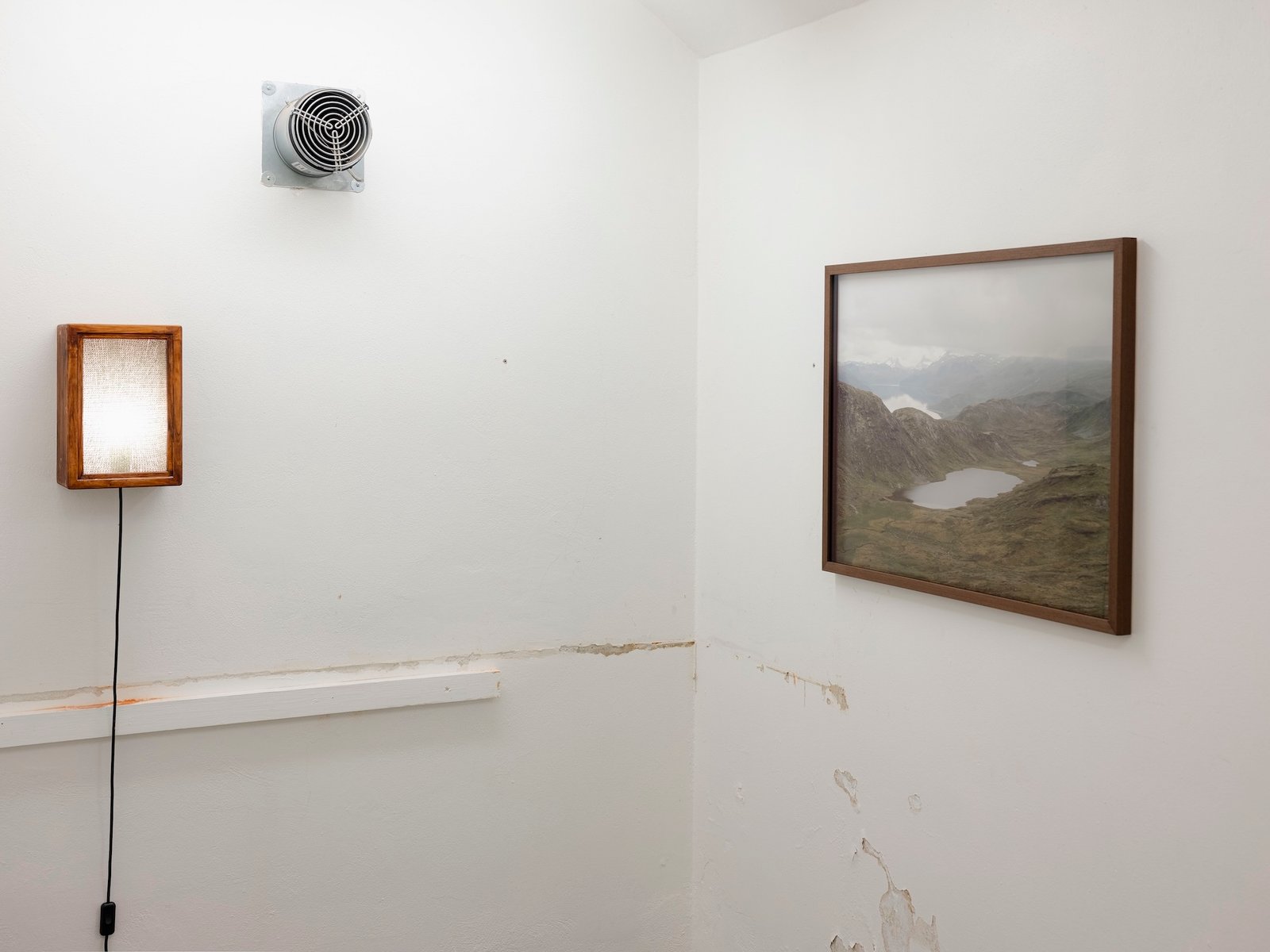
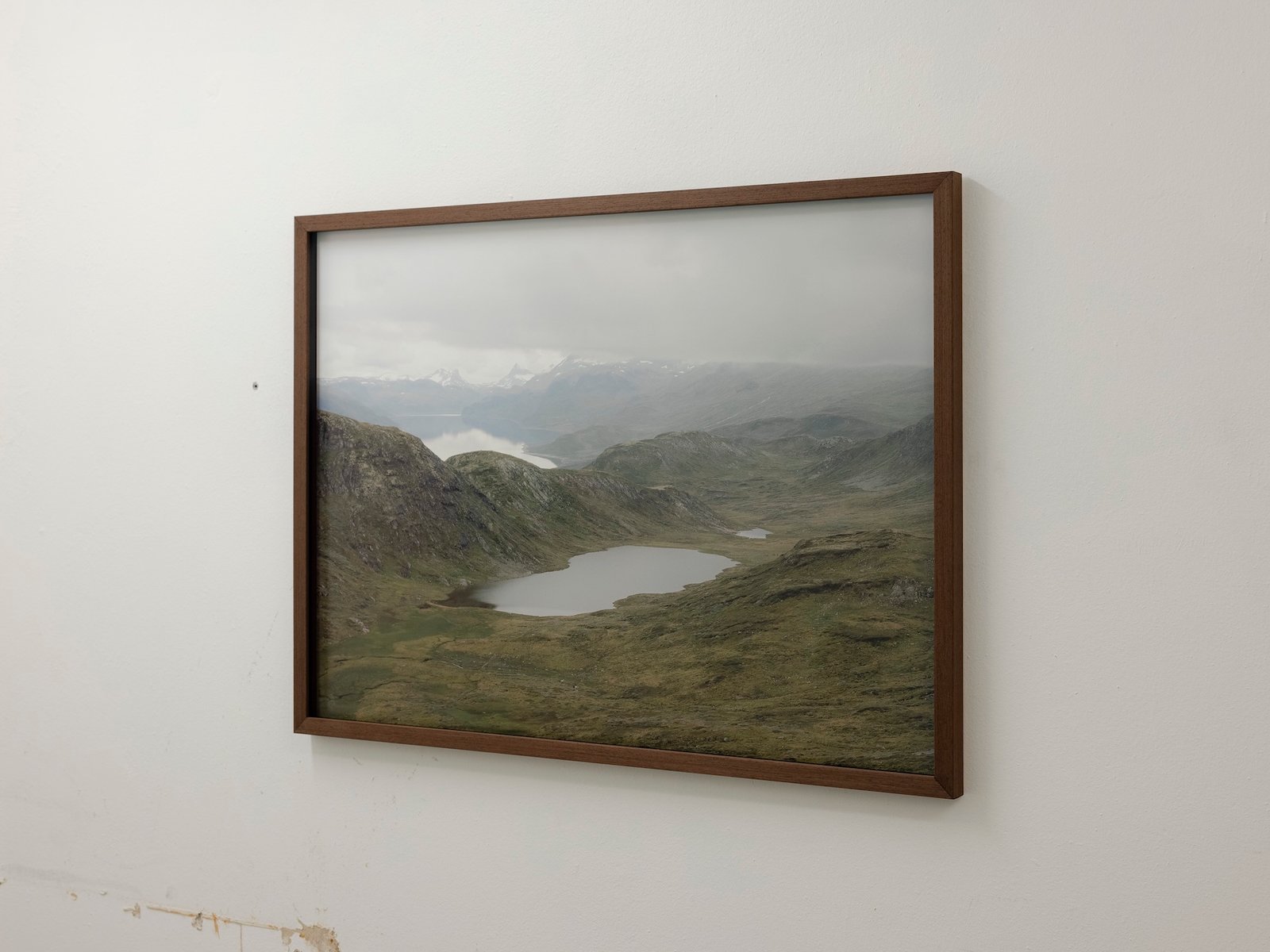
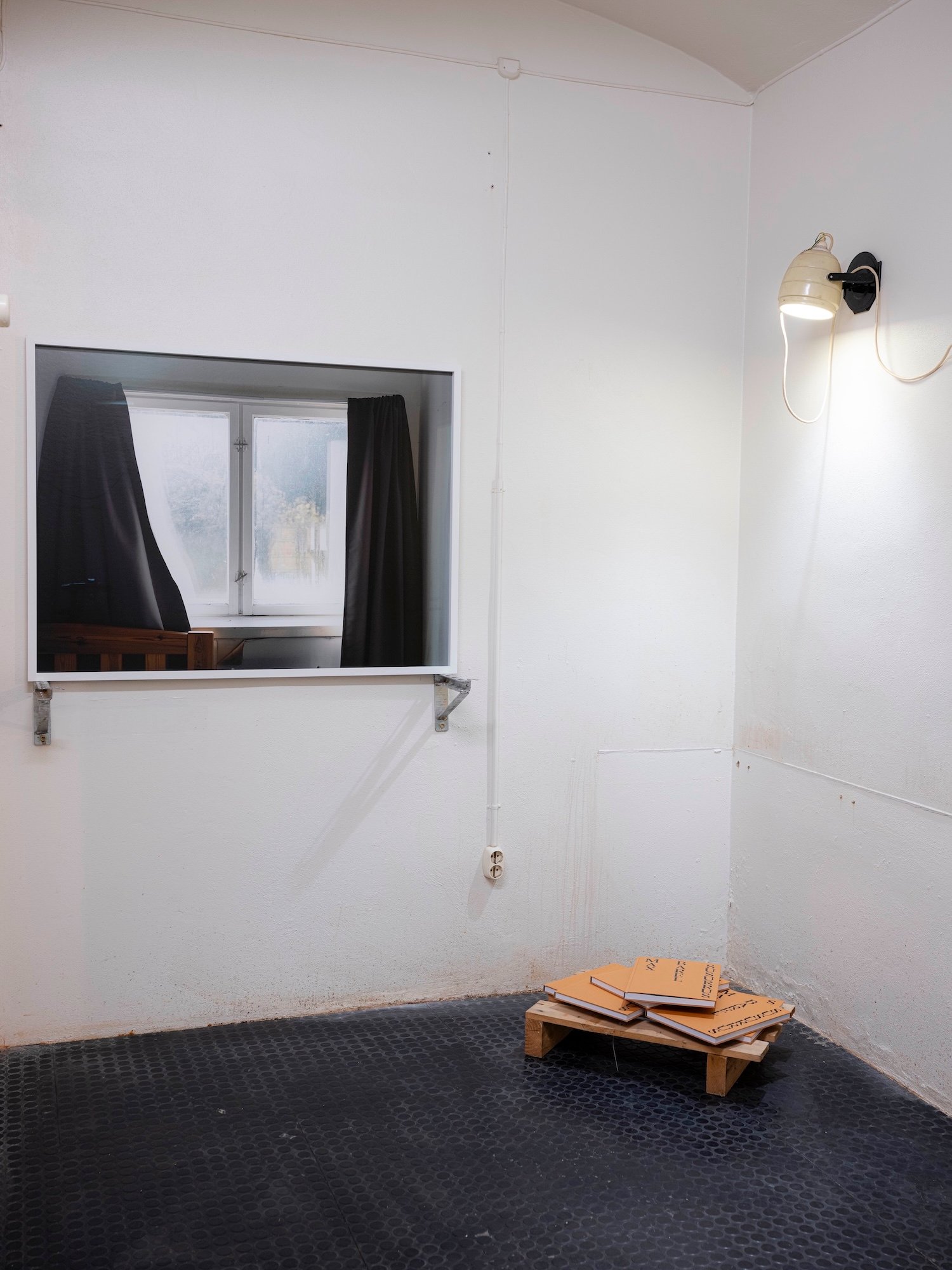
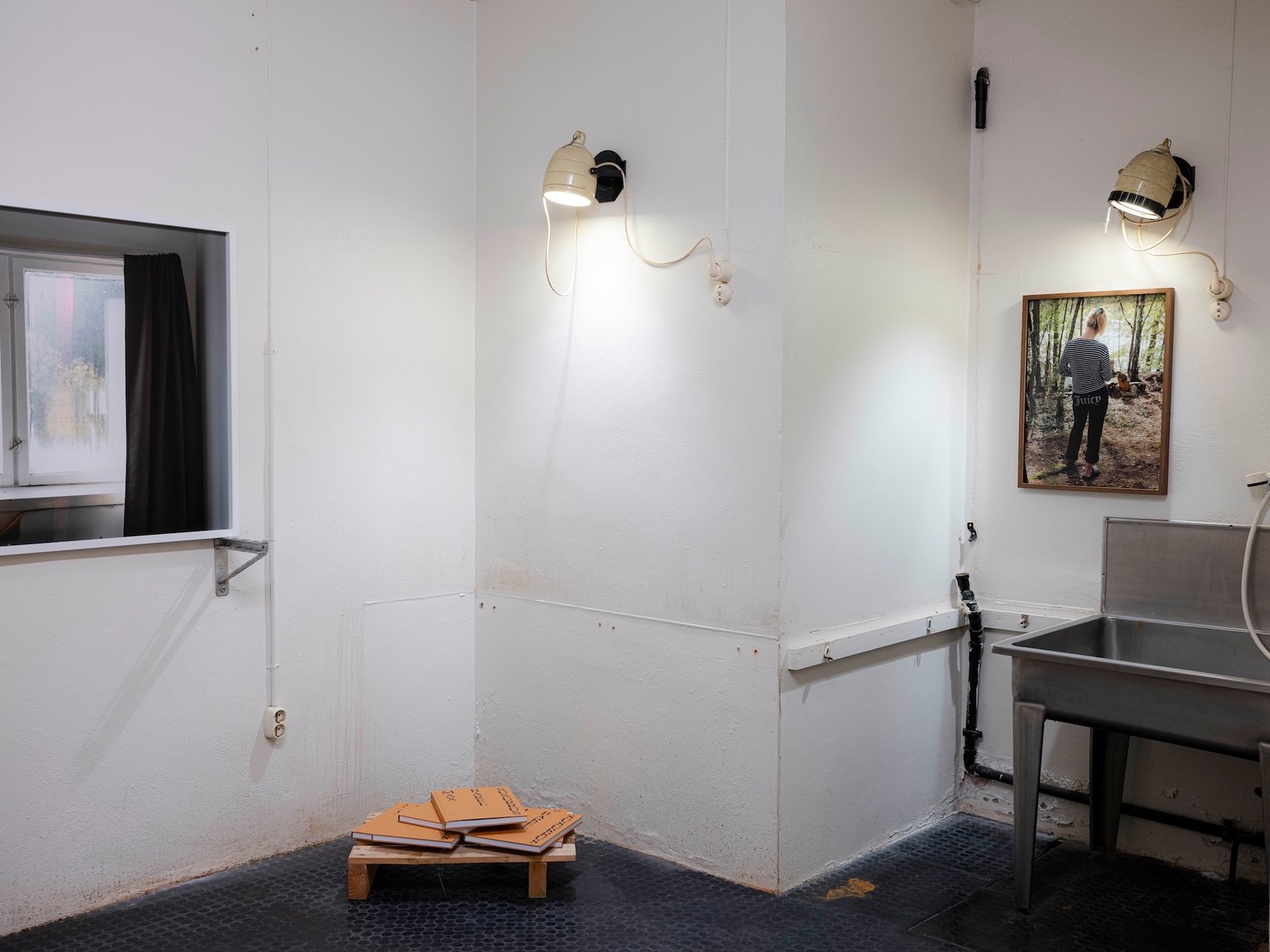
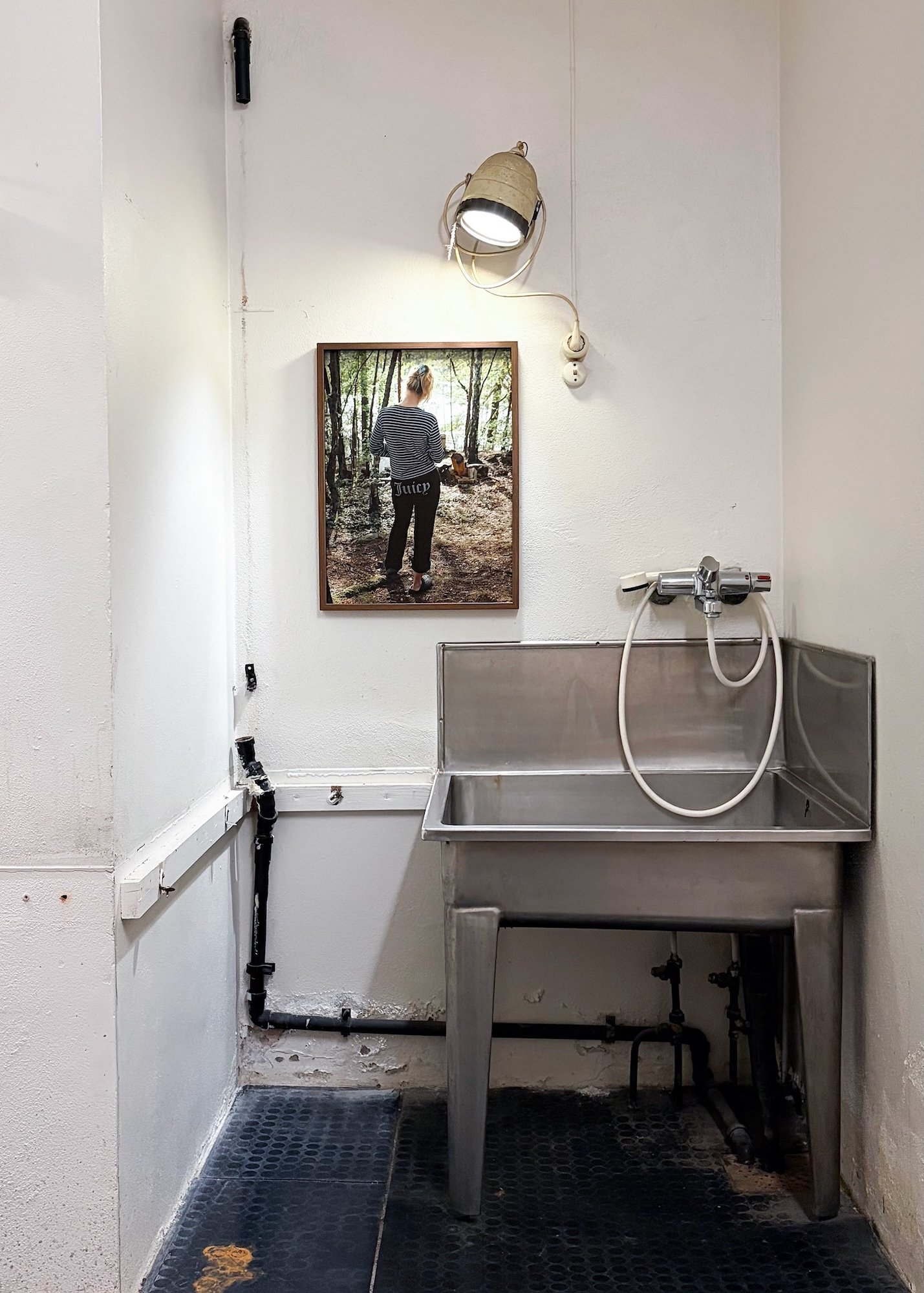
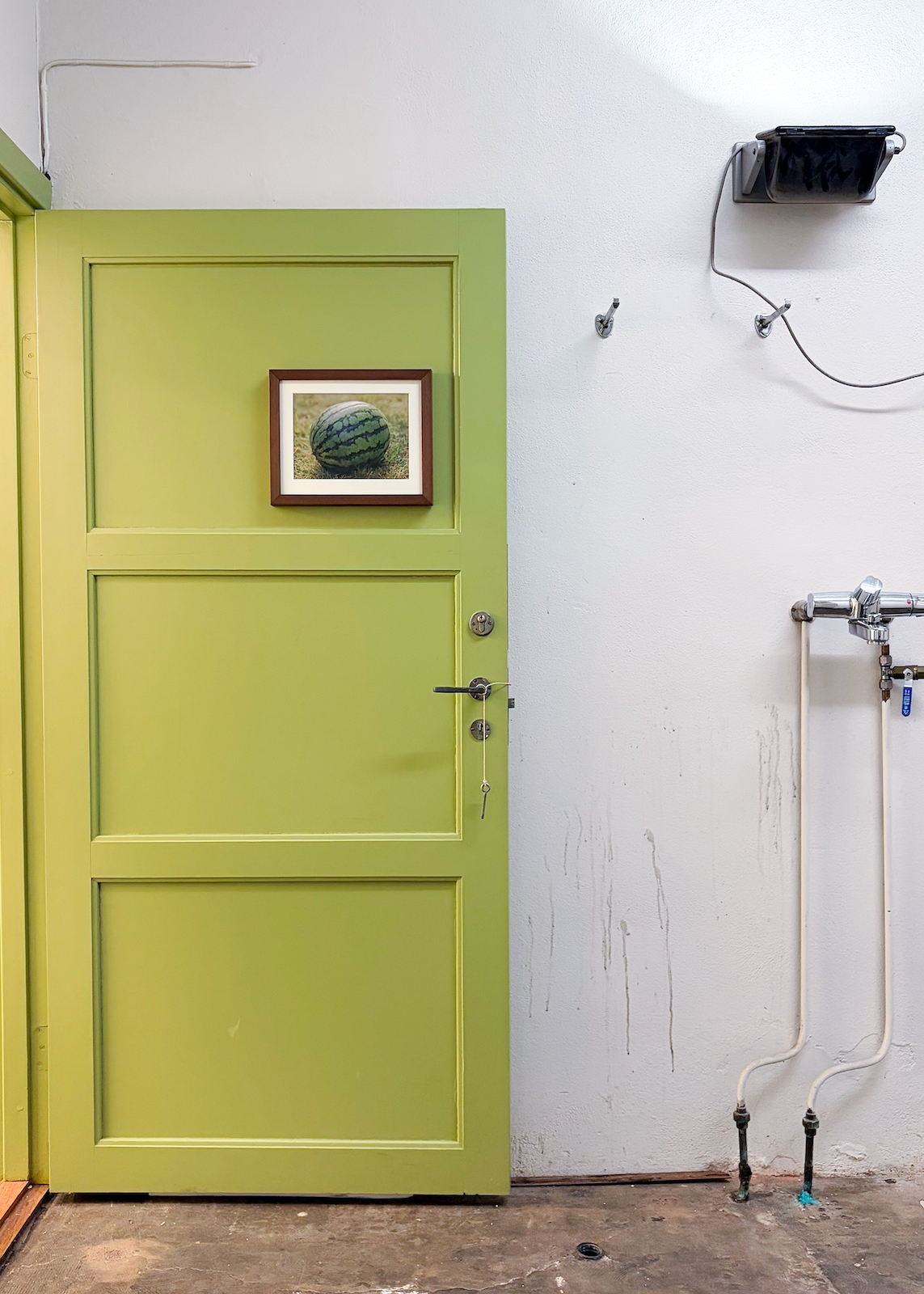
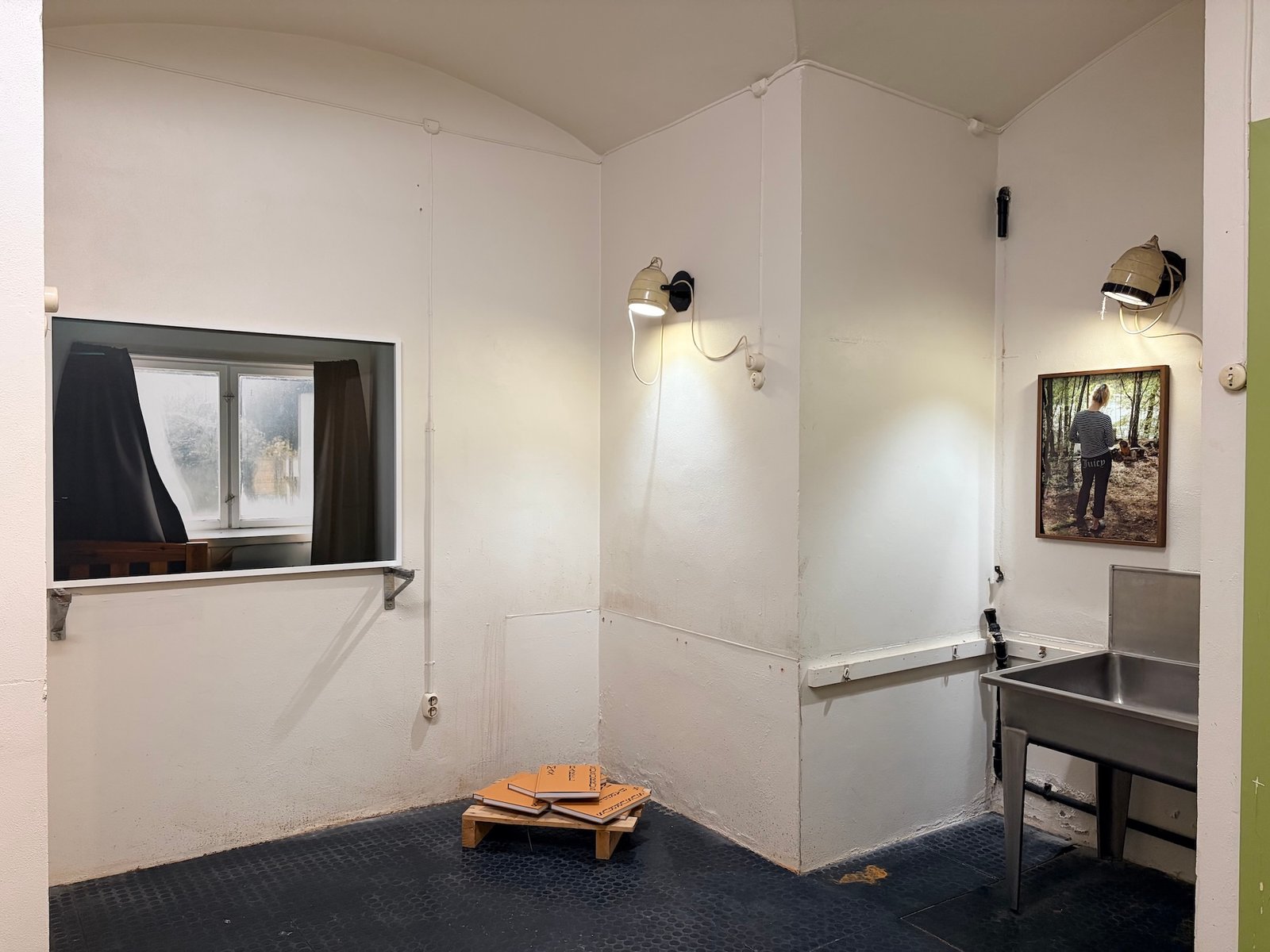
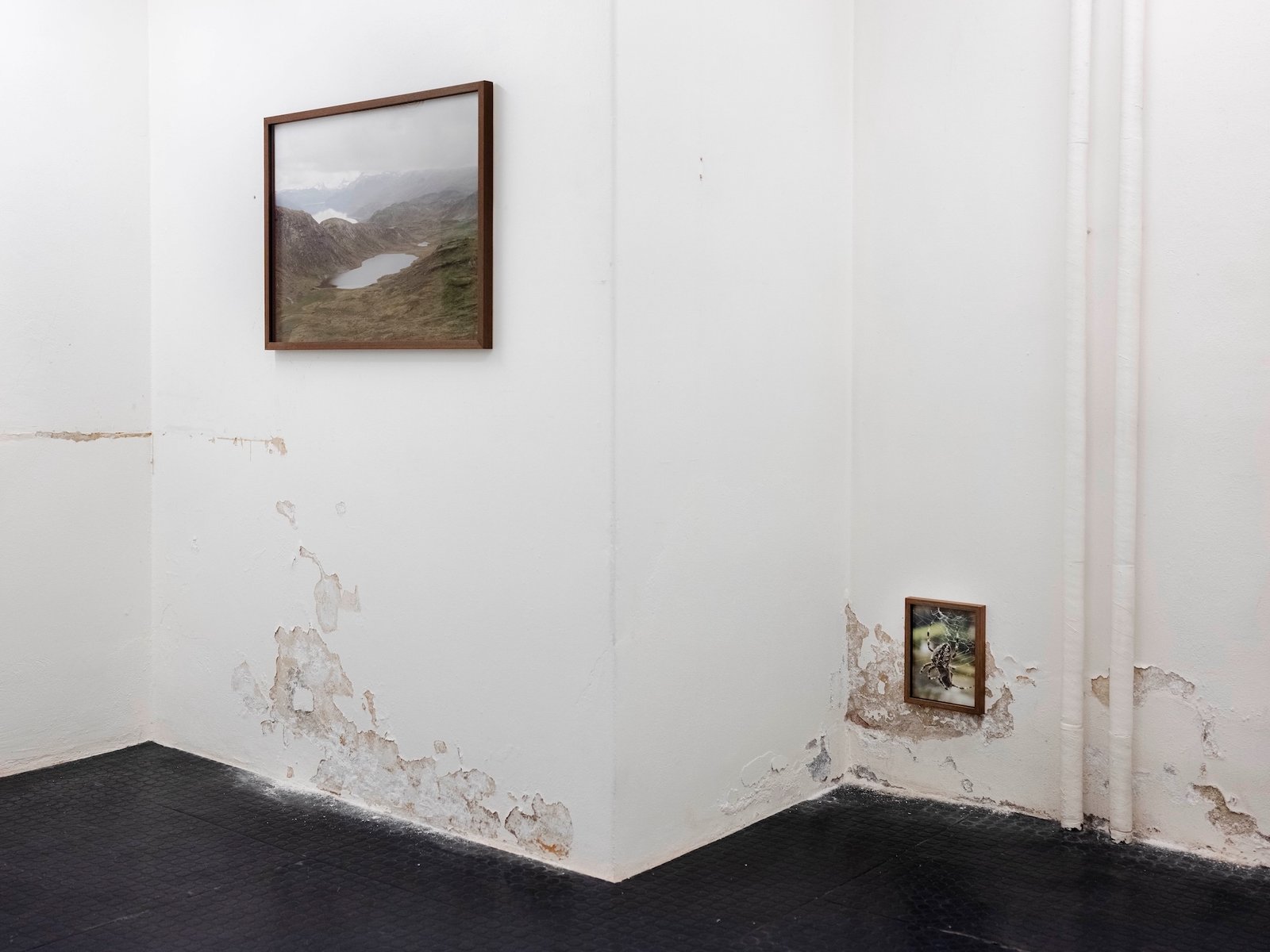
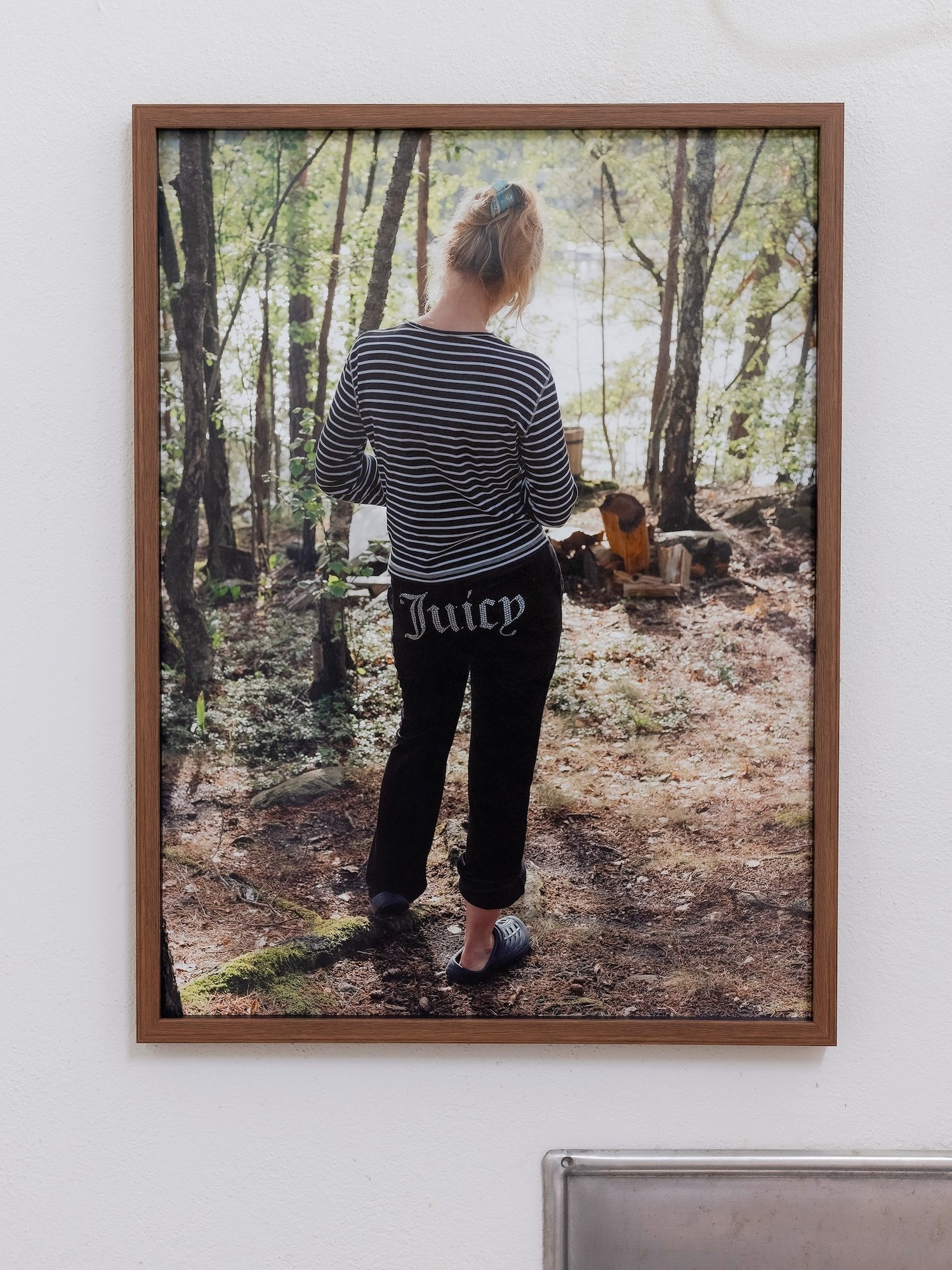
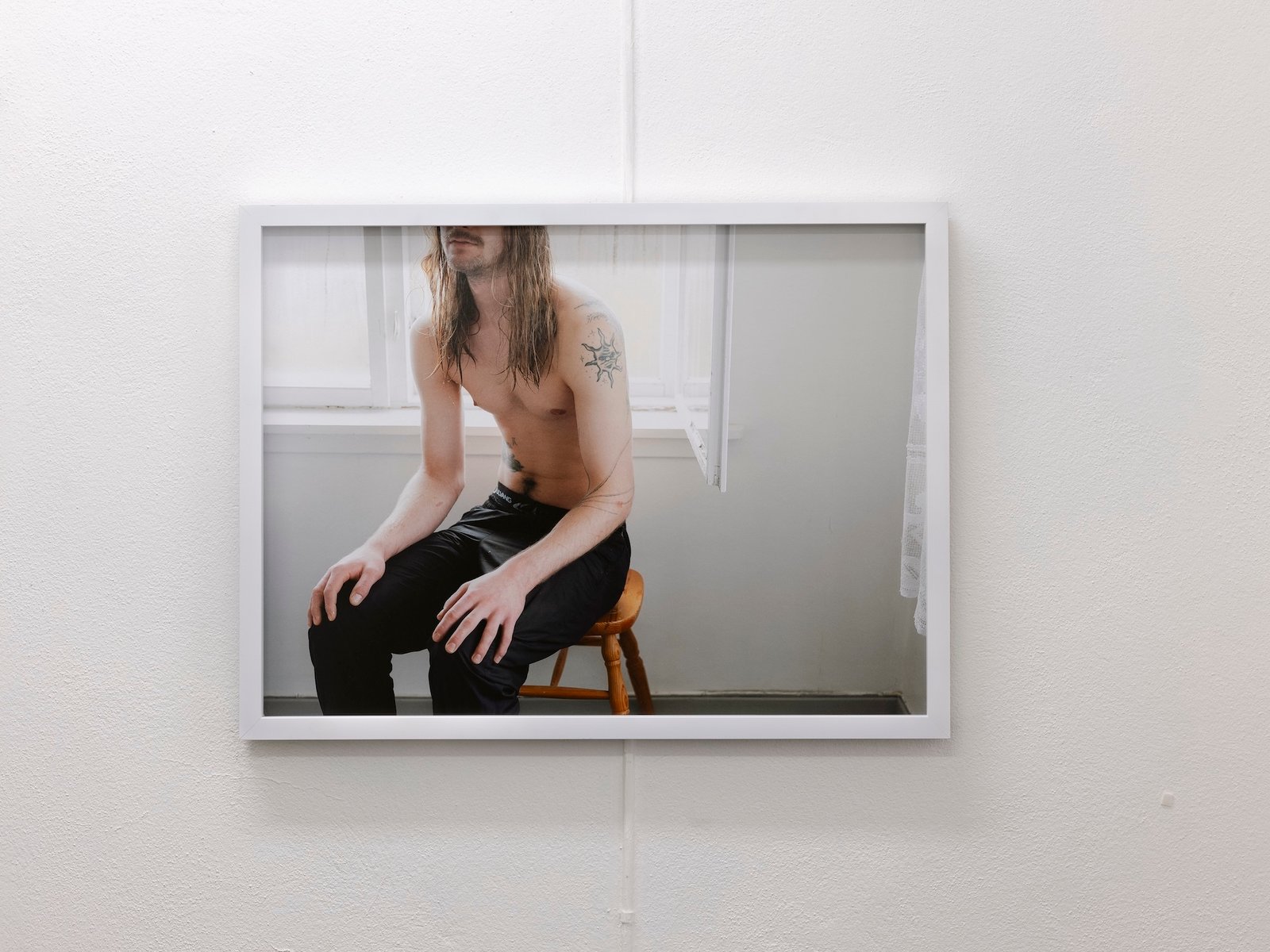
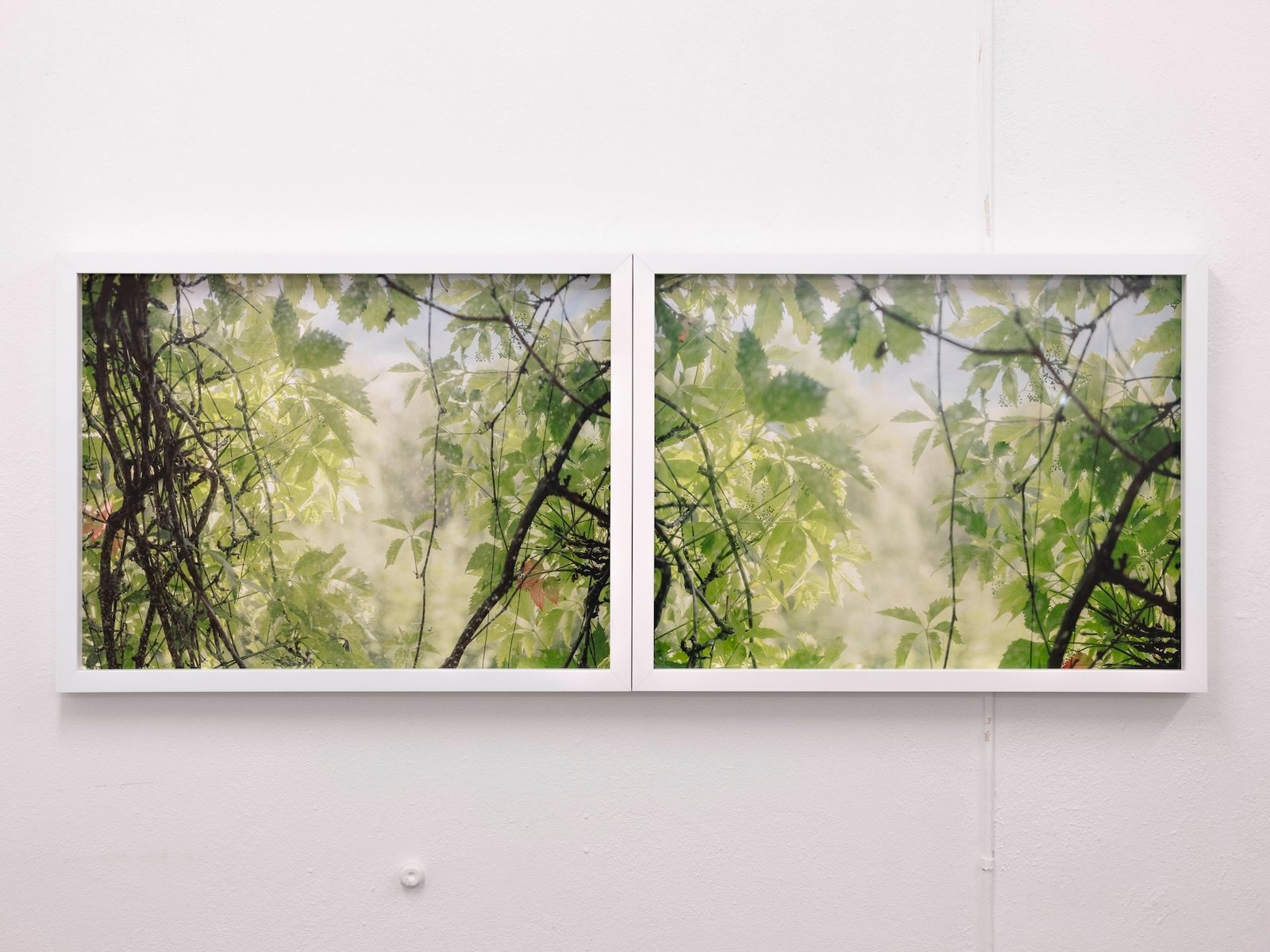
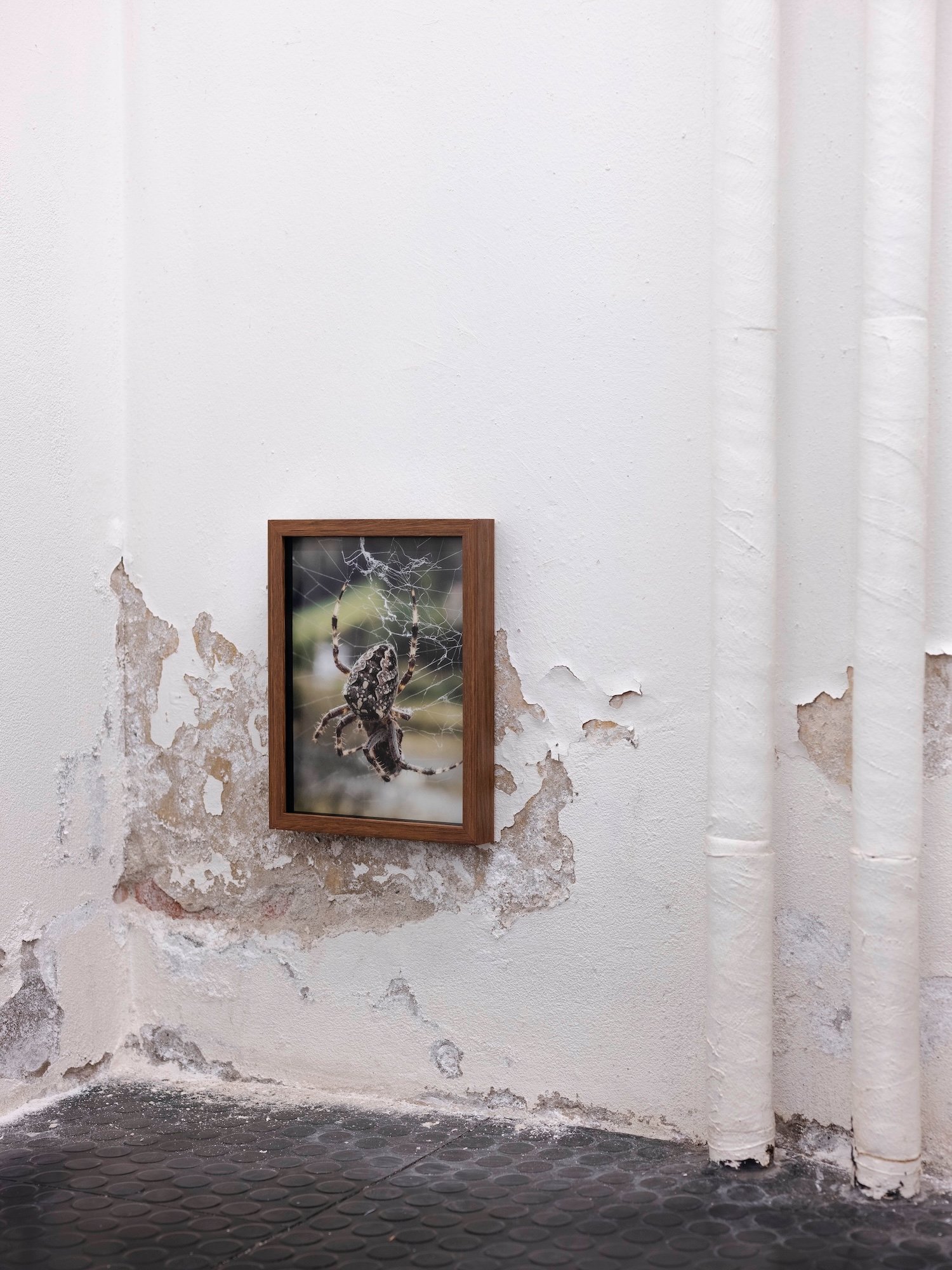
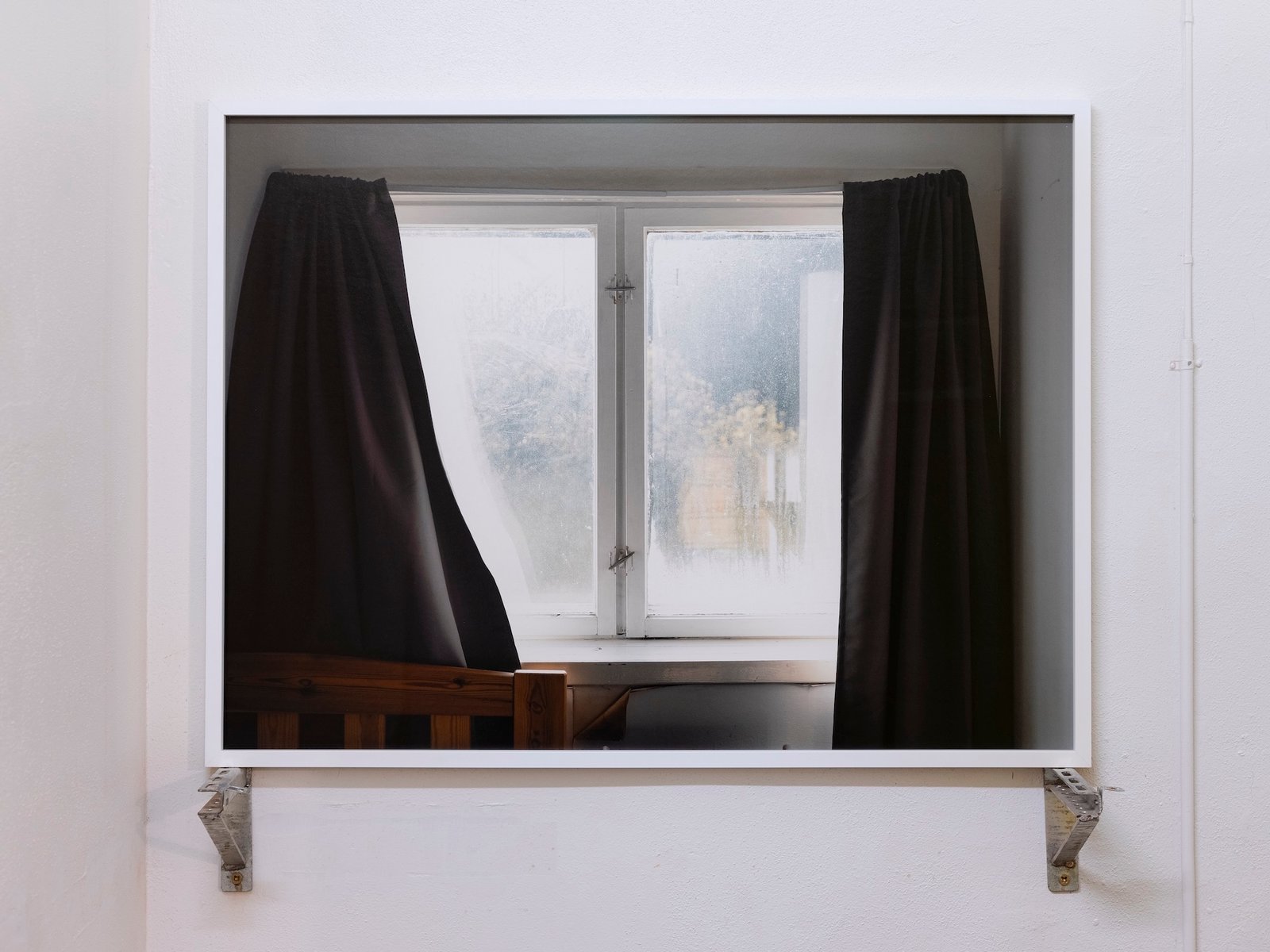
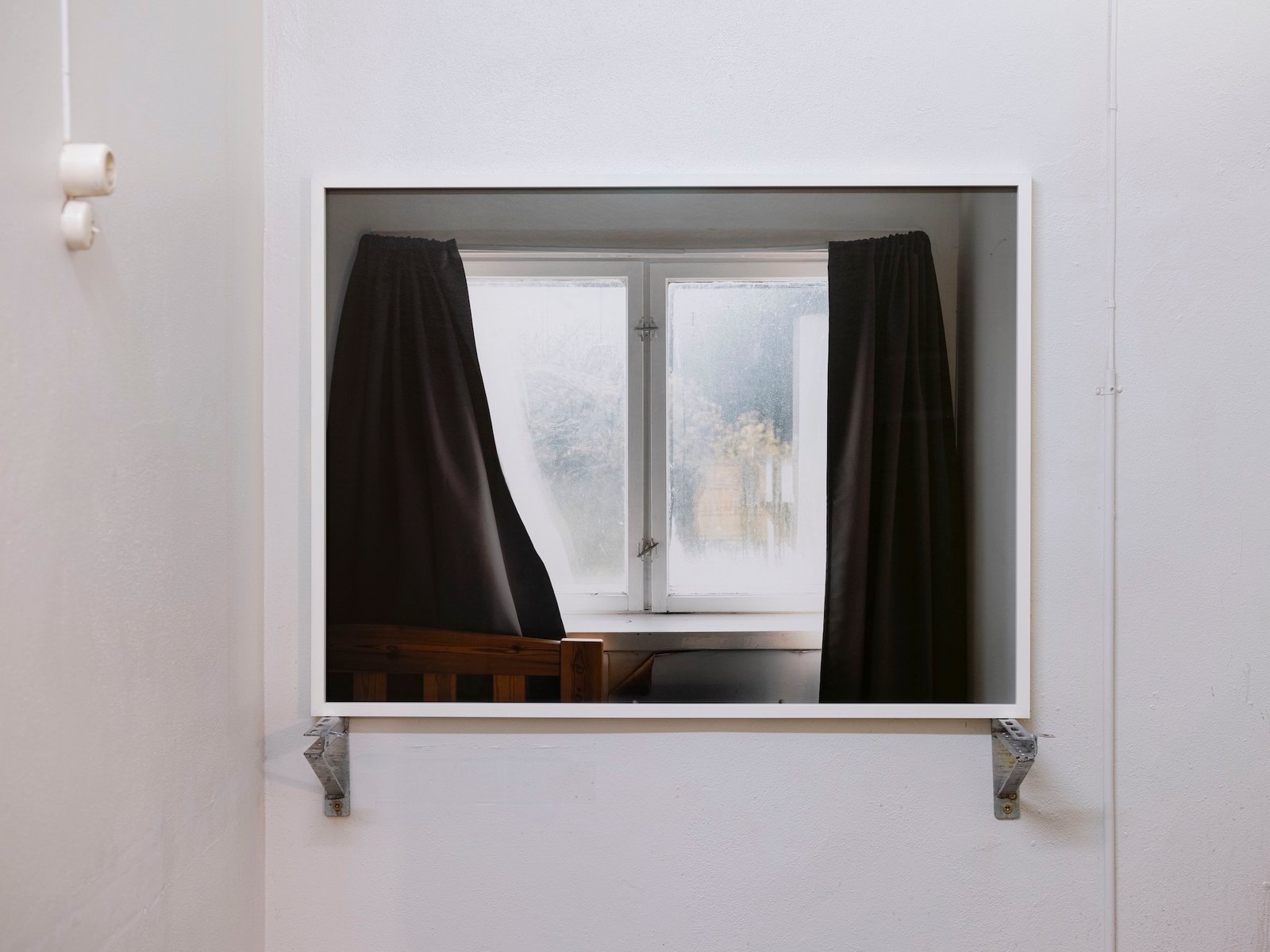
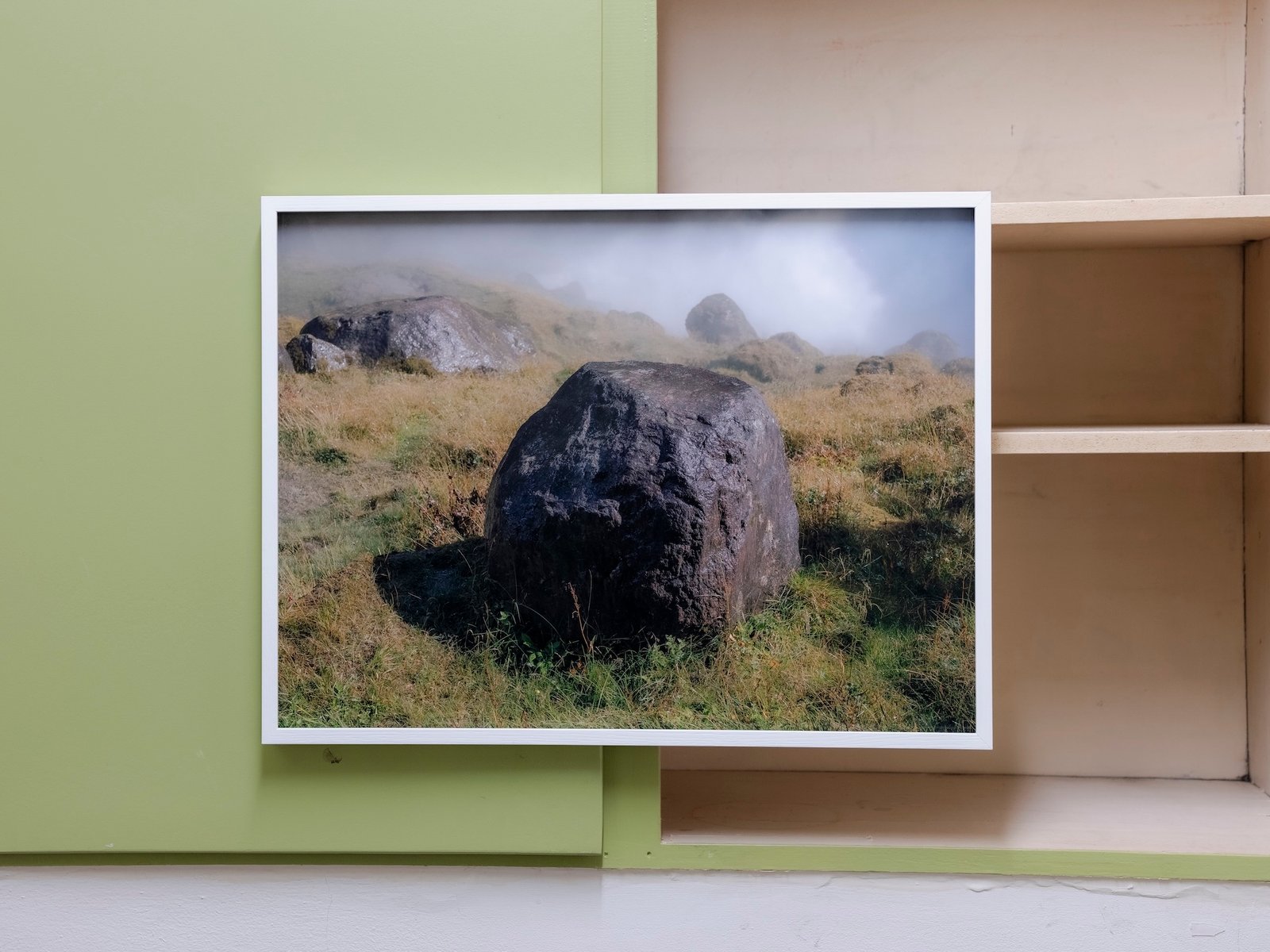
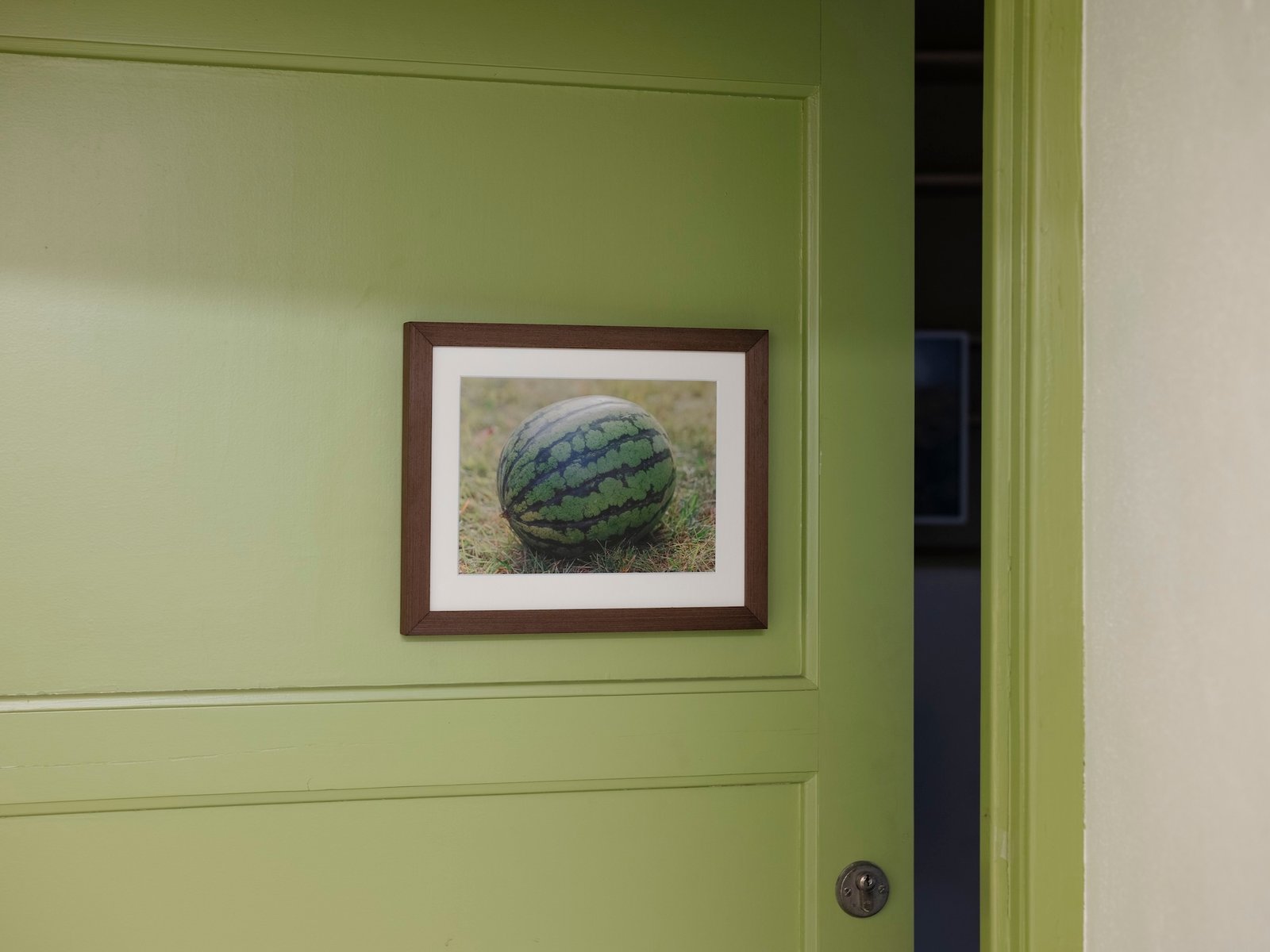
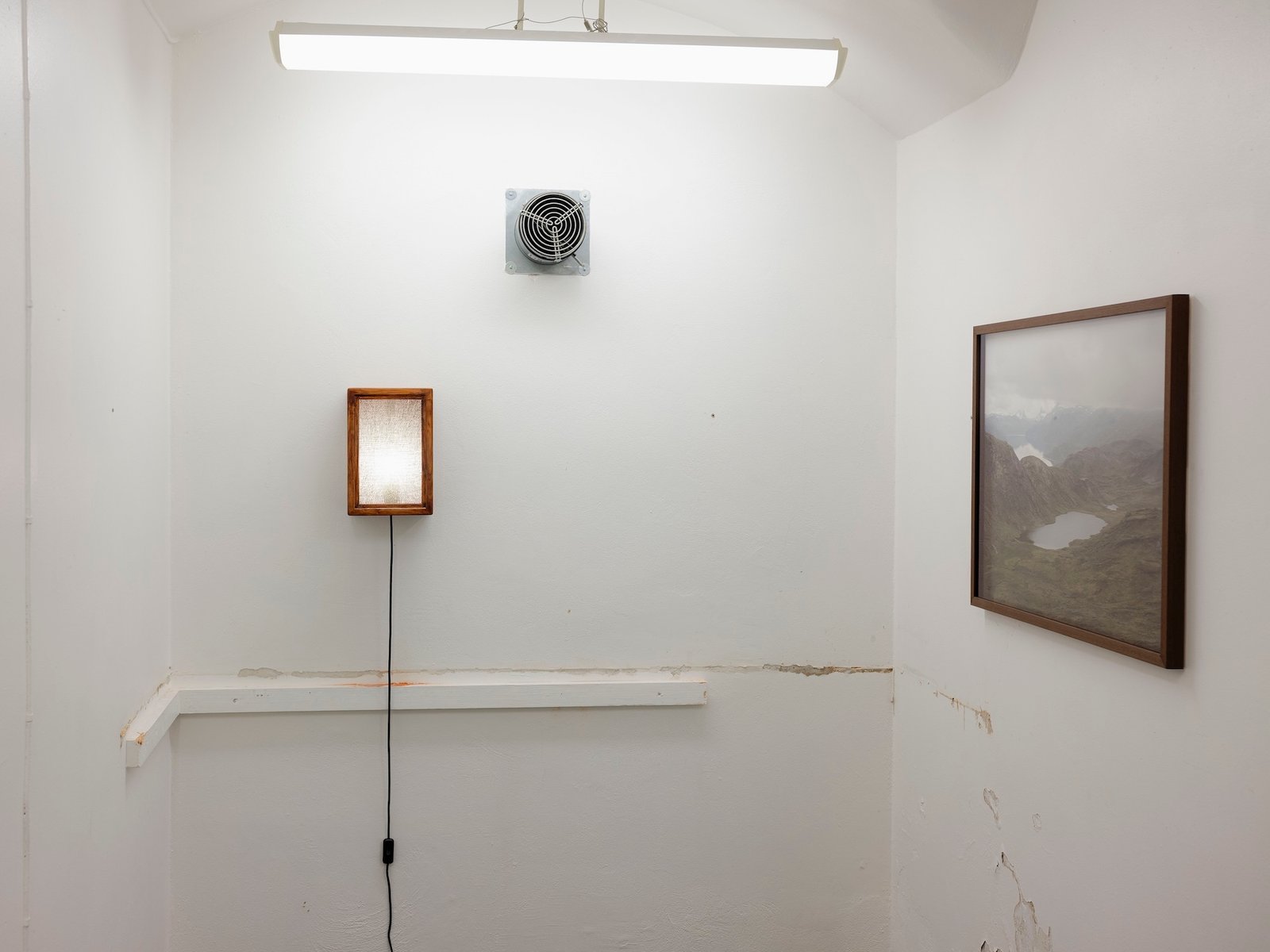
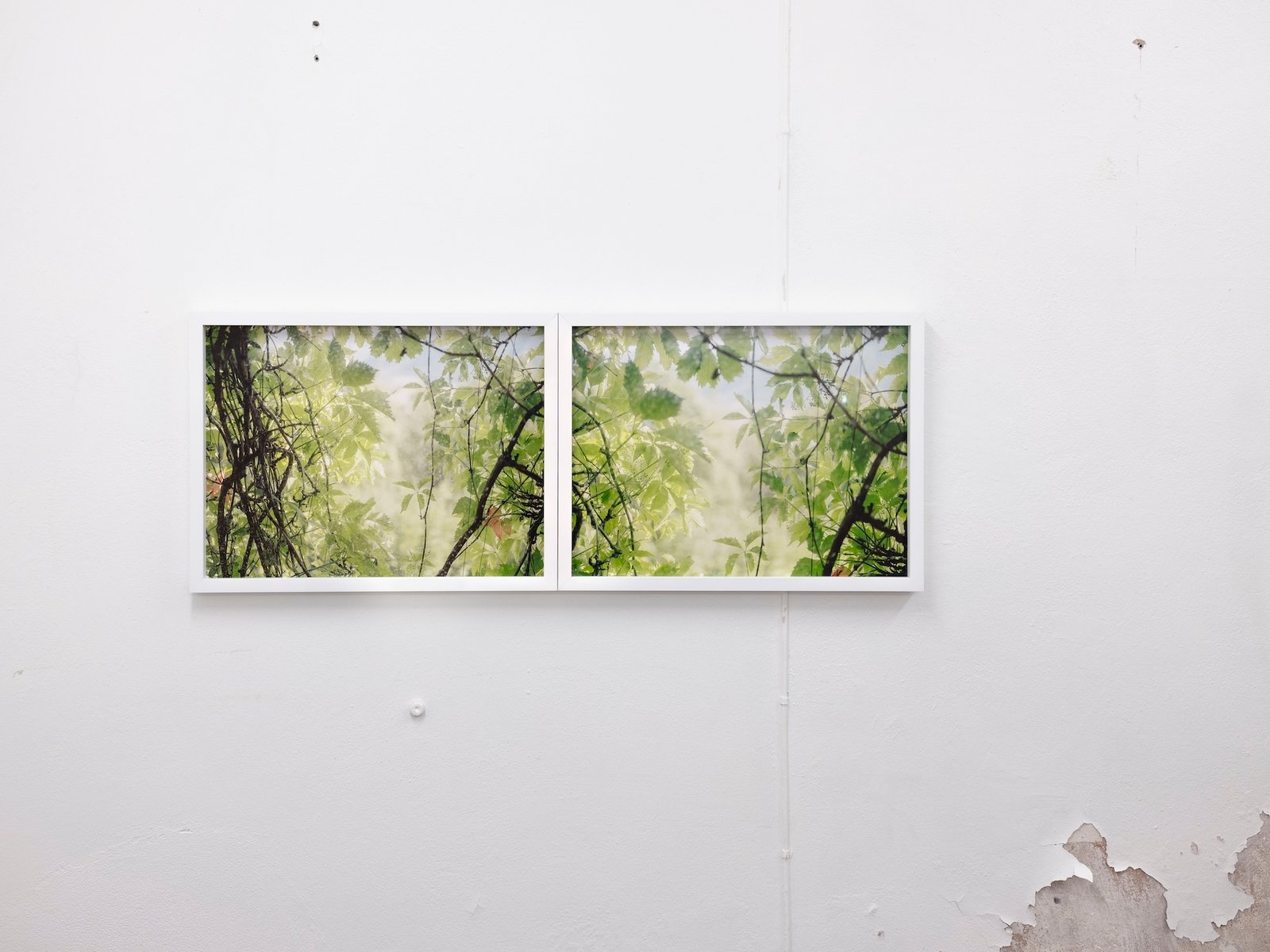
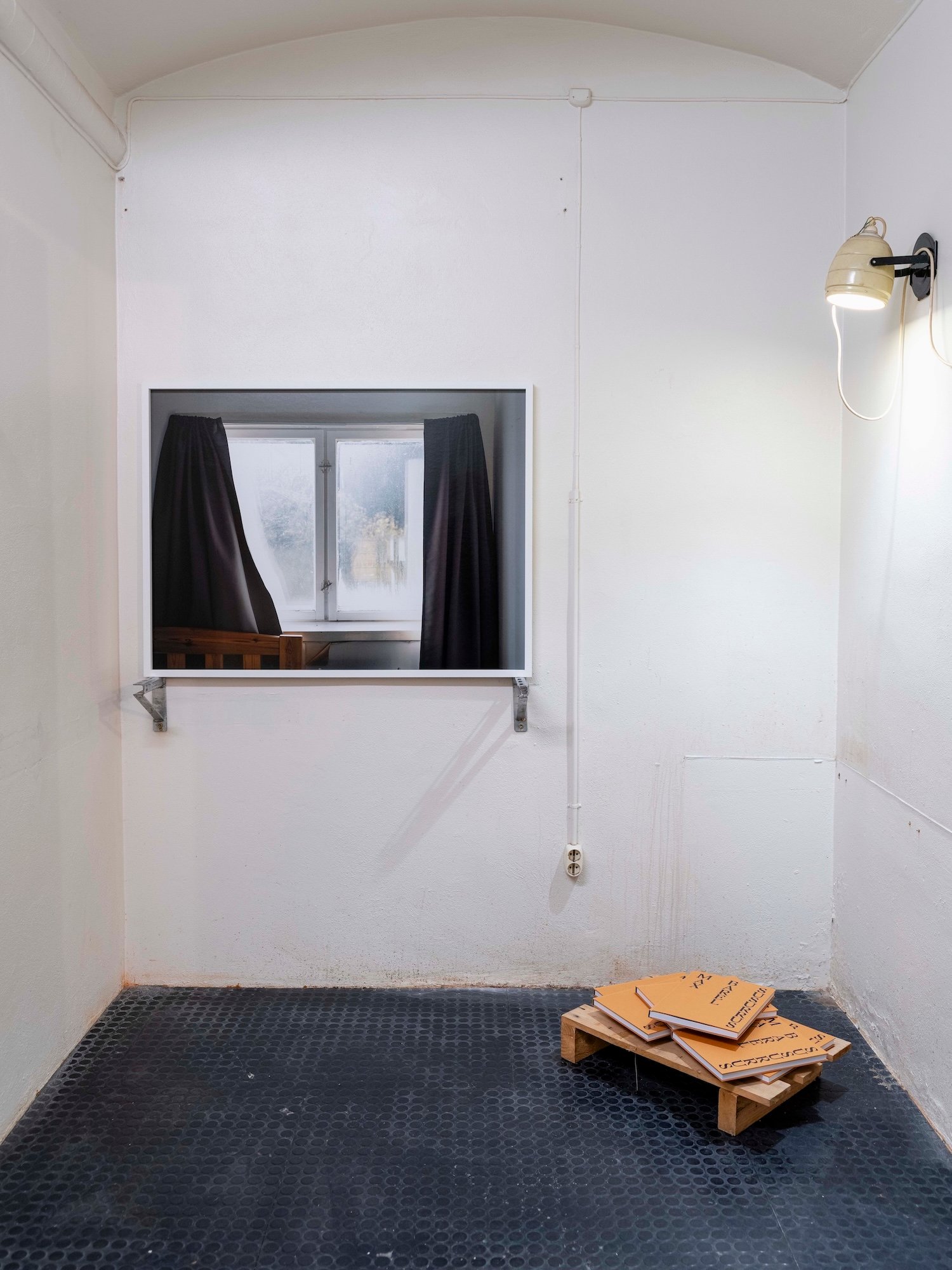
As a child, one of my favorite things to do was to walk the neighbor’s dog through the streets at night. It gave me an excuse to look into people’s windows as we passed by. I was less interested in the people than in the traces of them: lamps left on, books stacked in the window, plants climbing towards the light. Later, after watching Hitchcock’s Rear Window (1954), that curiosity developed into a kind of paranoia shaped by glimpses and imagined narratives.
A couple of years ago, when I lived in a shared apartment behind Solli Plass, there was always noise coming from the neighboring buildings: a couple arguing, someone having sex, a dog barking endlessly, someone listening to the soundtrack for the film adaptation of The Phantom of the Opera (2004) far too loudly. In a city, sound becomes proof of existence. Movement behind windows becomes evidence of life. Yet you never really know what plays out behind closed doors.
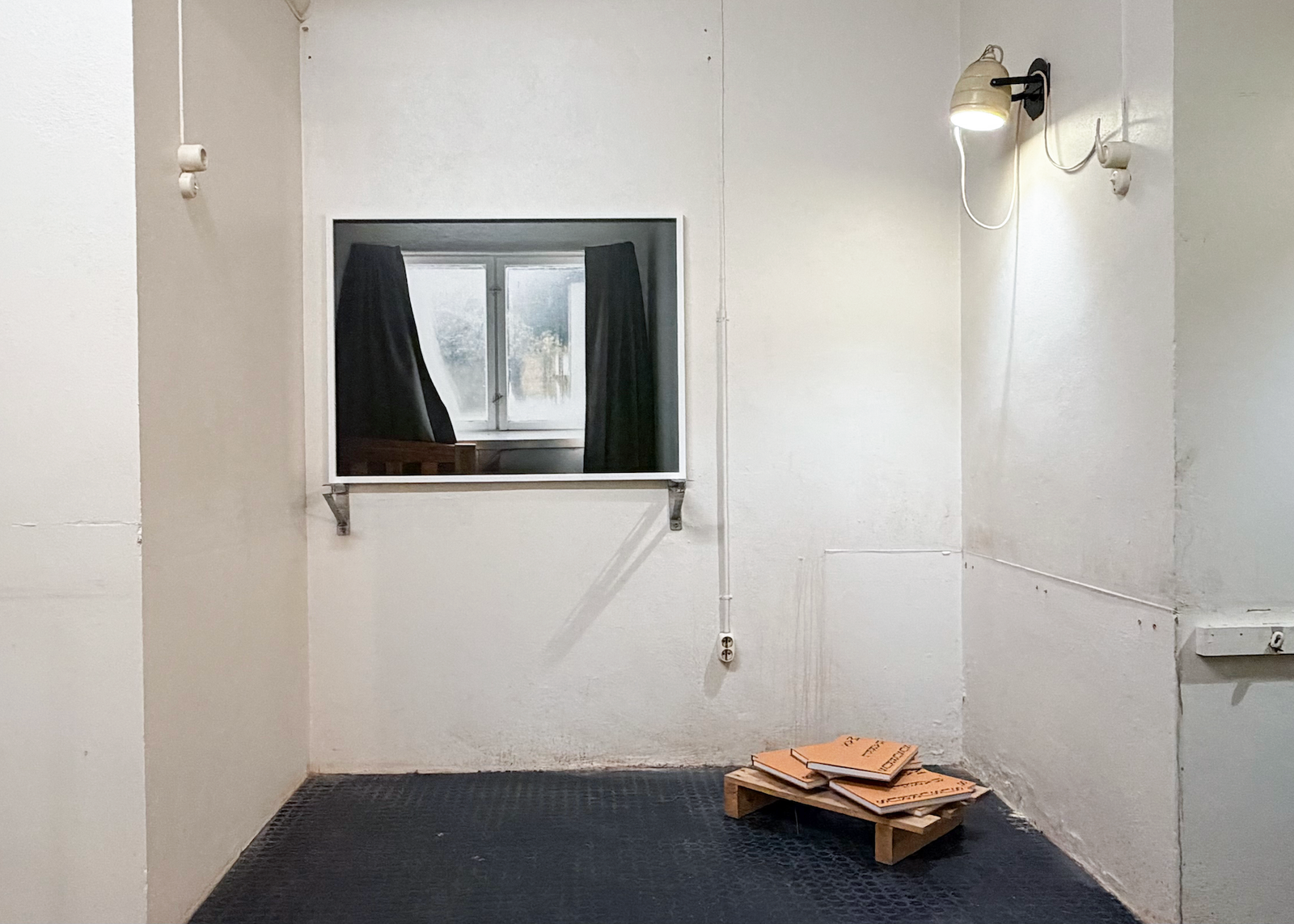
The facade of the six-story building opposite mine always reminded me of Elin Brissman’s painting. Her works linger on weathered facades, windows reflecting the surroundings, and objects half-hidden behind curtains. I first saw her paintings at Høstutstillingen in Oslo in 2020. The building across from mine carried the same quiet atmosphere as Brissman’s paintings. Its pale grey facade somehow seemed even duller on days when the sun appeared. Almost every window in the apartment building was covered, even during the day. Most of the curtains were white; some were embroidered with floral patterns, others crisp and translucent. A few windows were covered with monochrome bedsheets. The sun barely reached that side of the street, so I often wondered why so many people chose to close themselves off from the world. Even so, life kept revealing itself.
Shadows moved behind the curtains.
Voices drifted across the courtyard.
Televisions flickered late into the evening.
I only remember one tenant from that building distinctly. He lived on the sixth floor. A middle-aged man with square glasses who kept pink and red pelargoniums in a flower box outside his two windows. His apartment was one of the few in the building without curtains. Every weekend he hung his laundry to dry on a clothesline stretched between the windows, above the flowers. Sometimes, I would invent stories about him based on the clothes he hung to dry: blue and khaki T-shirts, black socks, light blue and striped long-sleeved shirts, dark blue jeans. His clothes suggested routines rather than personality, the kind of ordinary life that seems too ordinary to contain catastrophe. There was always something about him that unsettled me. I often felt guilty for noticing him at all, as though repeated observation slowly turned him into a character in a story he had never agreed to be a part of.
In the early spring of 2022, the apartment below mine had become a student collective. Music often played until the early hours of the morning, regardless of whether it was a Wednesday or a Saturday. By May I had grown used to sleeping badly, and consequently, I had become slightly bothered by everything and everyone. One morning, I woke after only a few hours of sleep. Still foggy, I put on a pot of coffee and drank what was probably the equivalent of eight cups of espresso, hoping the caffeine would wake me enough to get through the day. I carried the cup to the living room, slumped onto the couch, and waited for the caffeine to take effect. Suddenly, I noticed something moving in the corner of my eye. A light pink and pale-yellow shape swayed outside the building opposite. I turned and saw the man with the square glasses hanging freshly washed clothes on the line outside his windows. I remember thinking he must have dropped a piece of clothing, although I had never seen him hang something pink out to dry before. Still half asleep, I went to the bathroom to take a shower. When I came out, the sound of sirens drifted through the open window. That sound was quite common in our neighborhood, so I barely reacted. Annoyed by the noise, I walked into the kitchen to make breakfast, thinking that if anything had happened, I would notice it on my way to work. When I stepped outside around twenty minutes later, there was nothing unusual. No visible traces of anything peculiar. Just another noisy morning in Tigerstaden.
A few hours later, while I was at work, my roommate sent me a text message. A young woman had taken her life in the building opposite mine. The moment I read it, my body froze, and the image from that morning returned all at once.
The light pink shirt.
Blond hair moving almost imperceptibly in the breeze.
The man hanging his laundry as her body swayed beside him.
For days afterward, I felt physically ill. I found myself searching the faces of strangers for traces of sadness, as though melancholy might reveal itself if I looked closely. I didn’t know the woman, but I knew of her. She lived next to the man with the square glasses. I had passed her a few times on the street on my way home from the grocery store. I assumed we were about the same age. She was always walking her two dogs, a Pomeranian and a Chihuahua, and whenever I nodded, she would smile and nod back.
She usually kept her curtains drawn.
– Essay from the publication A Point of Entry (2026) by Christine Bruu