

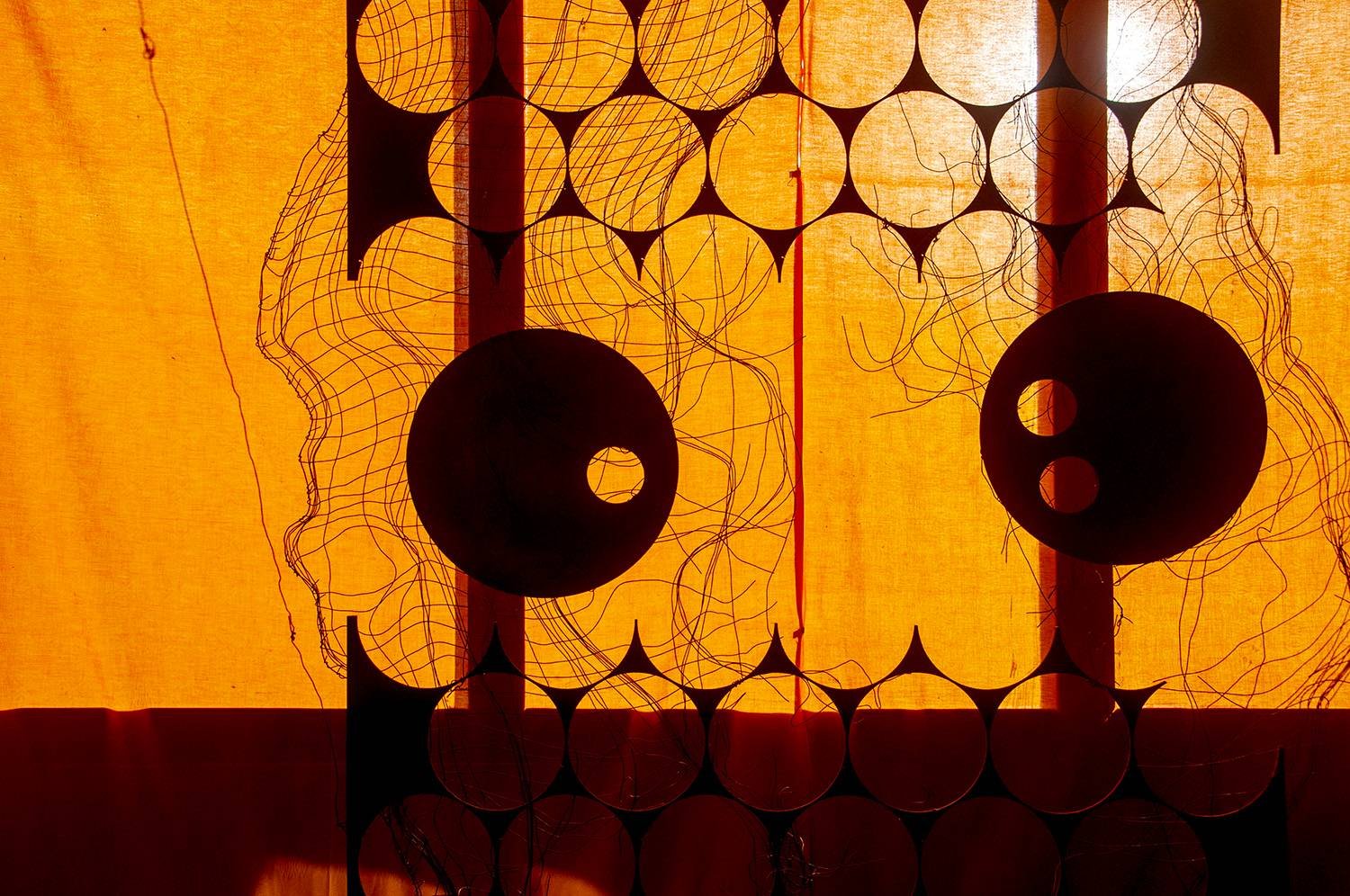
Potlatch (pronounced POT-latch) — a ceremonial practice of gift-giving and reciprocal exchange, traditionally observed by Indigenous peoples of the Pacific Northwest Coast, in which the act of giving becomes a means of building relationships, sharing resources and strengthening communal bonds.
The tradition of artistic collaboration between Wrocław and Poznań is particularly intriguing. Despite their geographical proximity and shared historical context, these two cities have relatively few clearly defined connections.
We consider the connection established in the early 1970s to be particularly significant. Jarosław Kozłowski (a Poznań-based artist) and Andrzej Kostołowski (an art critic and theorist from Wrocław) created the NET Manifesto, proposing the establishment of a global network for the exchange of artistic projects, ideas and activities outside institutional circuits. NET emerged from a desire for collective creation, in which correspondence and reciprocity served as the primary means of circulating and consolidating artistic ideas.
More than fifty years later, we find ourselves immersed in the omnipresence of the internet, applications and antisocial media, all extensively employed in the promotion and production of art. This prompts us to revisit the artistic programme proposed by Kozłowski and Kostołowski. The questions that arise deserve to be asked and answered honestly. Does today’s possibility of immediate and unrestricted communication allow us to realise the original principles of NET? Is there still room in the online art world for building relationships based on trust, recommendation and non-hierarchical collaboration? Does liking each other’s exhibition documentation on Instagram allow us to escape institutional constraints, democratise culture and genuinely build networks of artistic cooperation?
Unfortunately, despite its immense potential, some of which has indeed been realised that the internet has been instrumentalised to safeguard the interests of global capital and its political advocates. The visual arts have inevitably become subject to this process as well.
Institutions have only strengthened their position, particularly auction houses and commercial galleries, not to mention Instagram as the most important contemporary cultural institution — a central hub and distributor of images and visibility. Democratisation has also failed to materialise: despite the easy and widespread access to online spaces, the visibility and recognition of individual artists remain largely determined by advertising and algorithms.
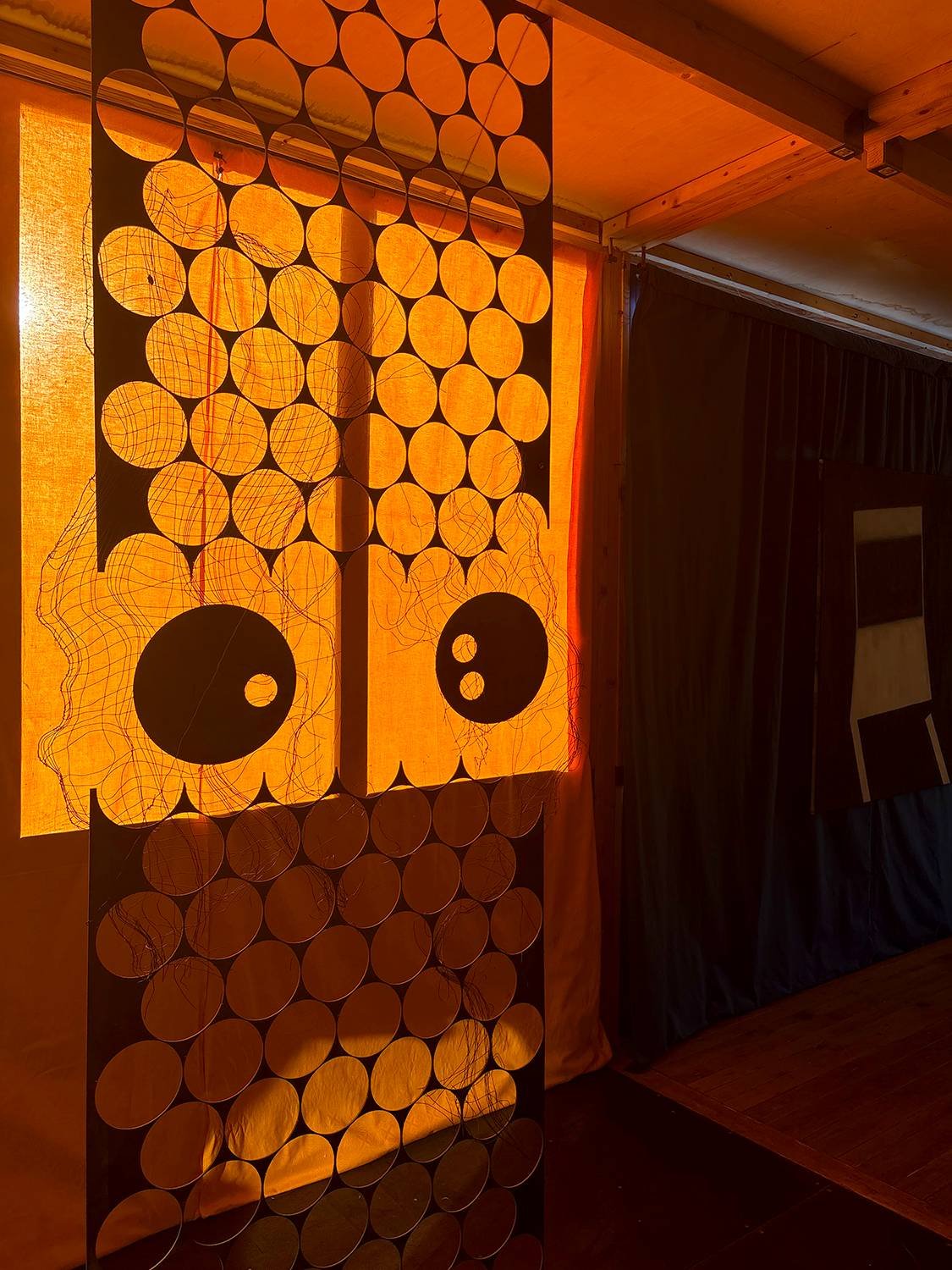
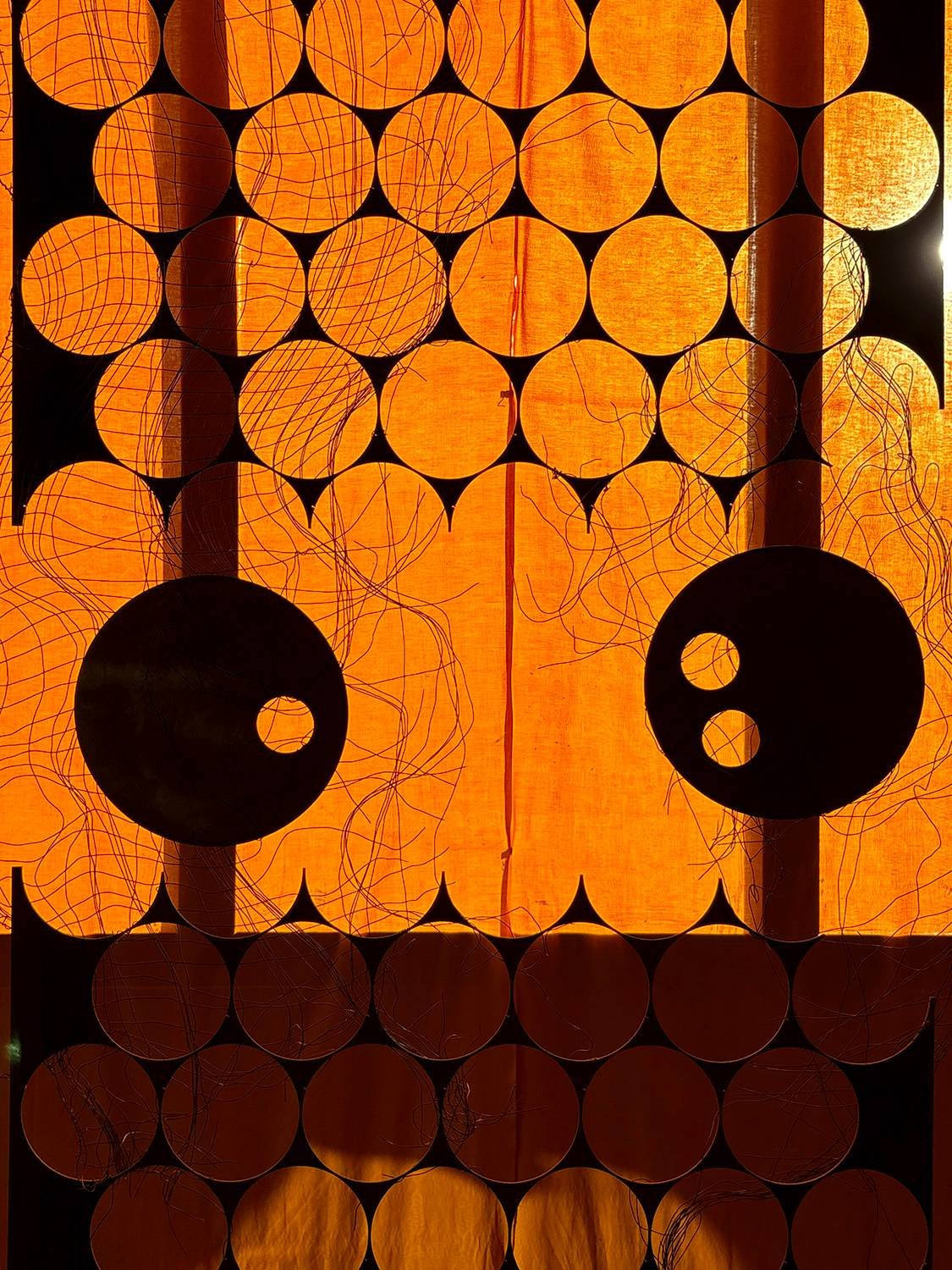
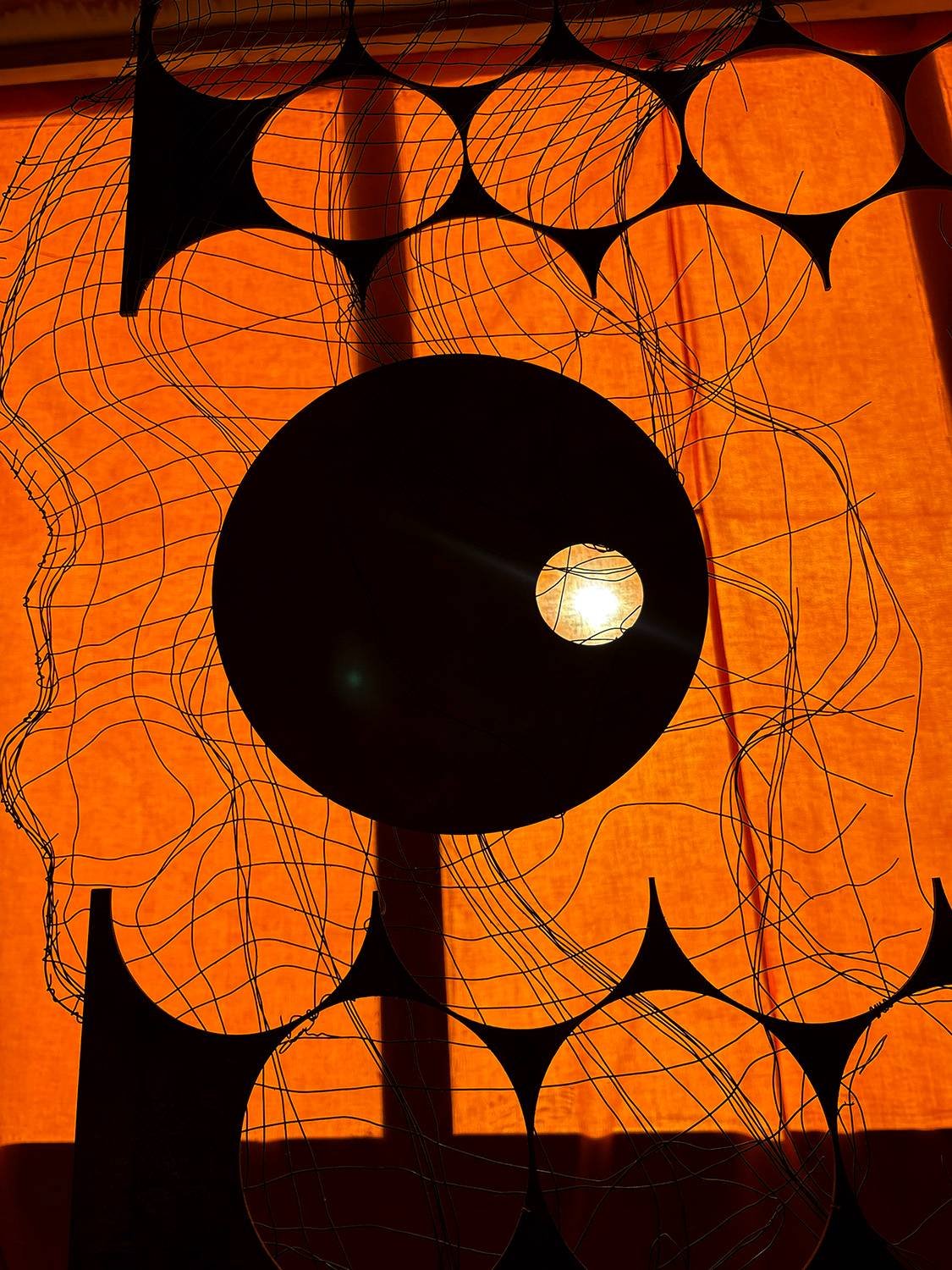
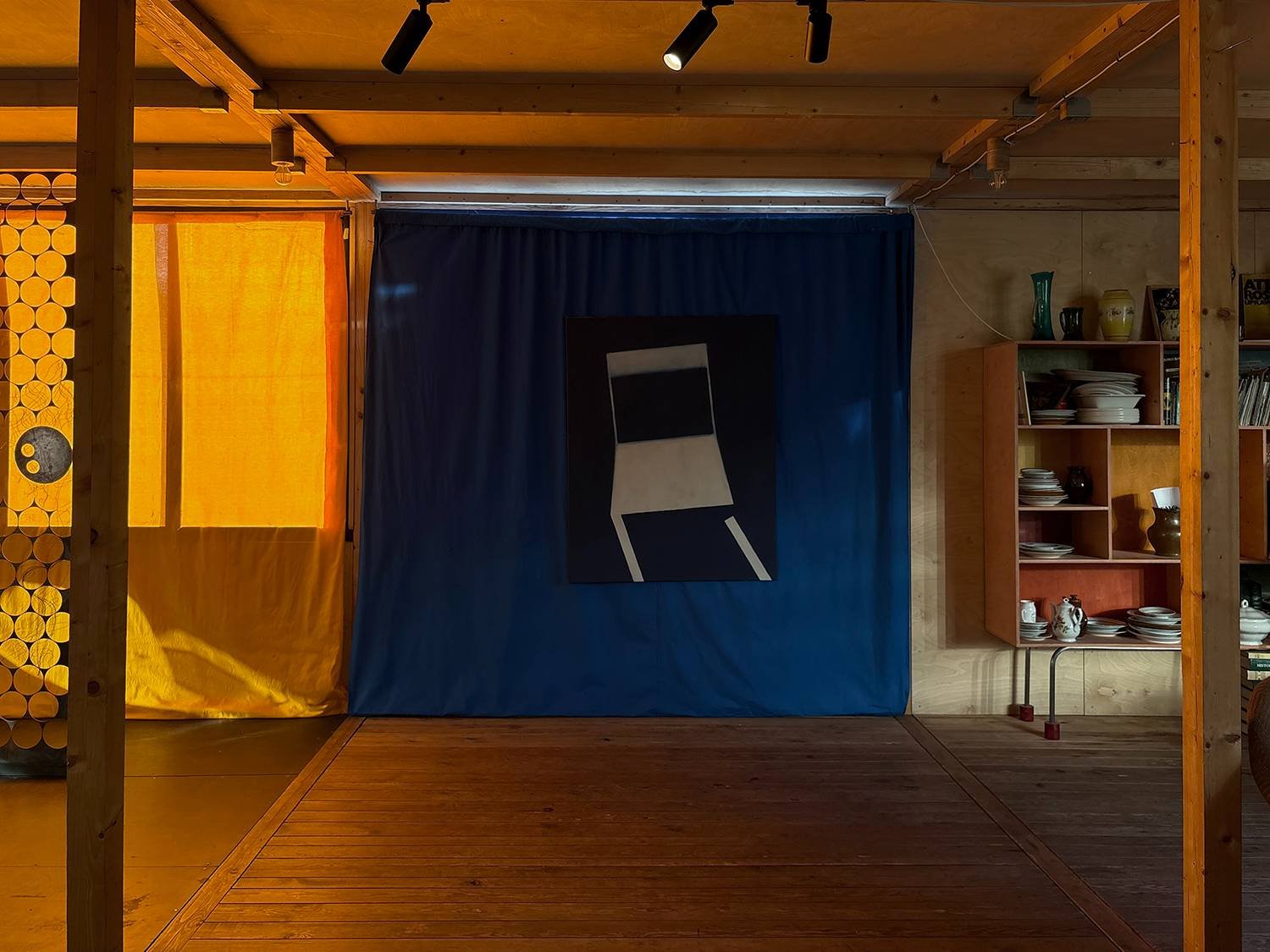
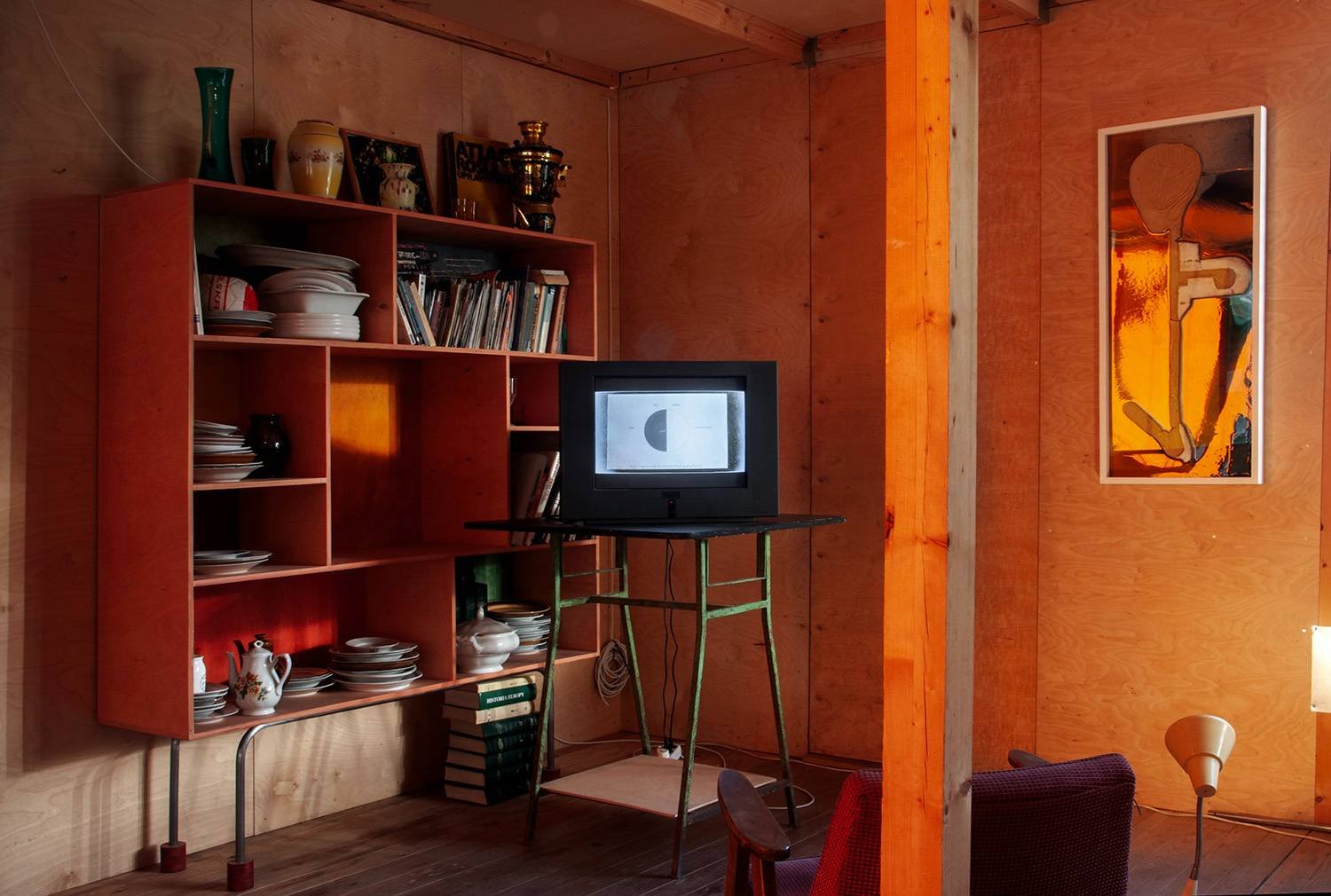
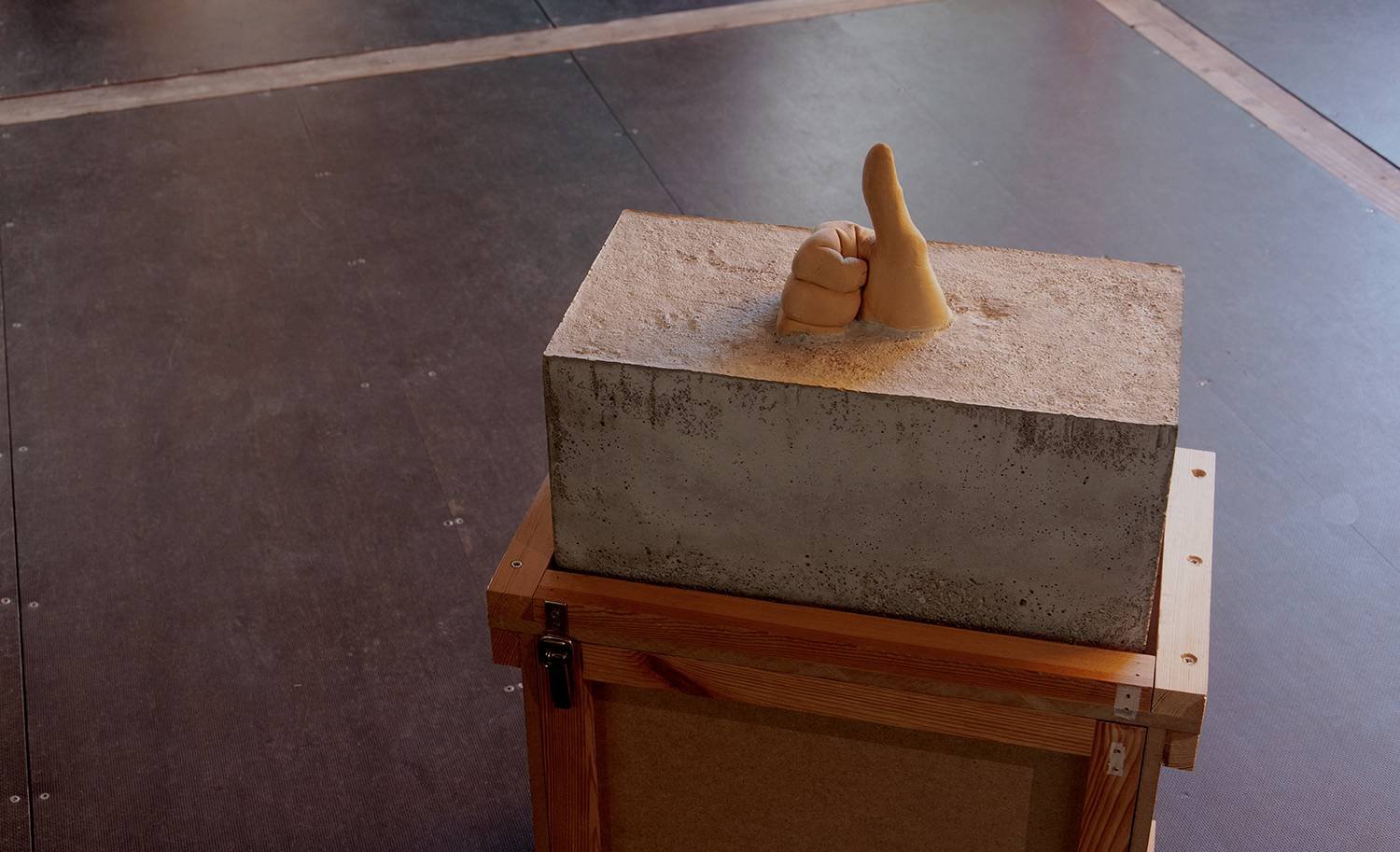
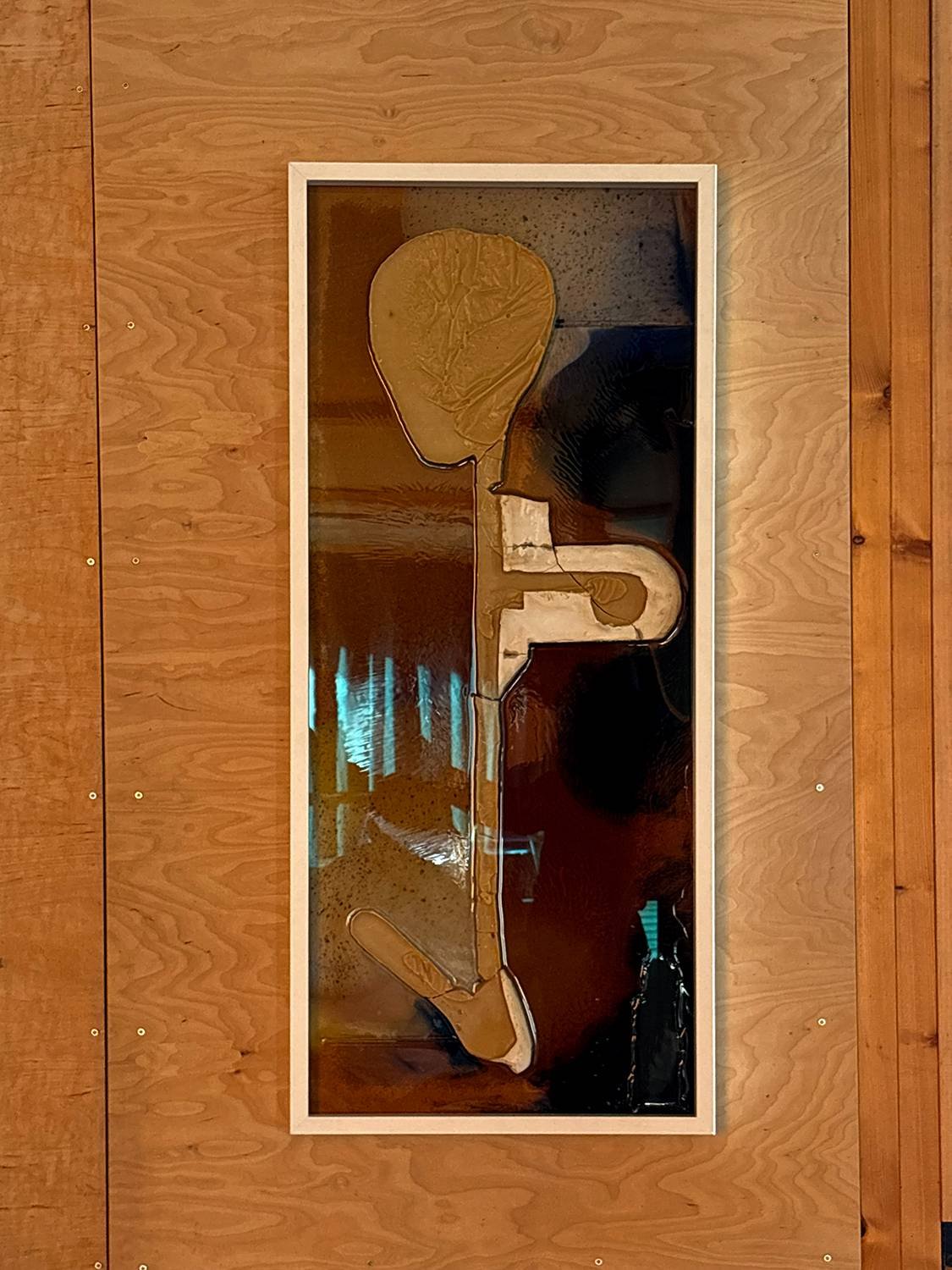
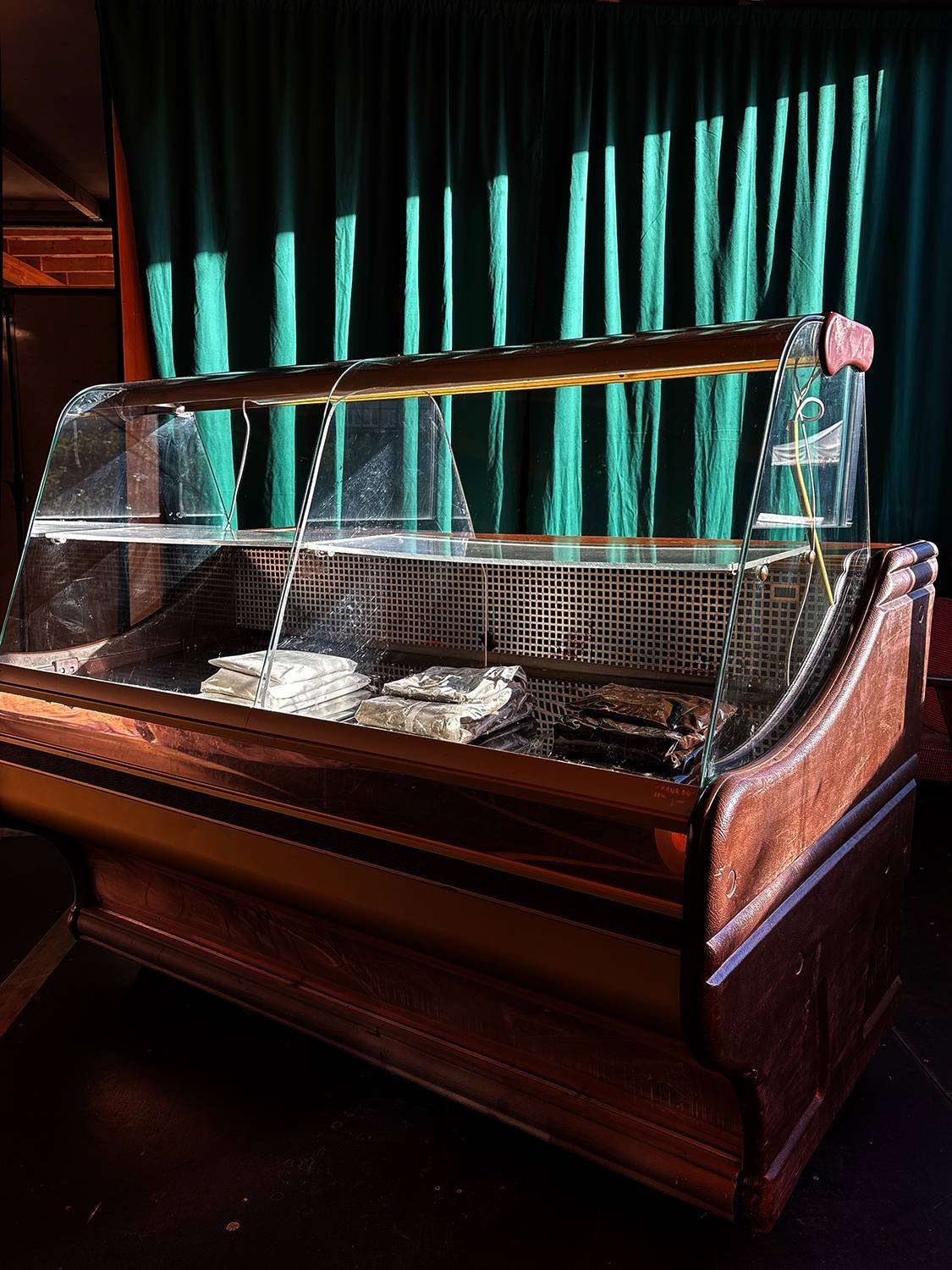
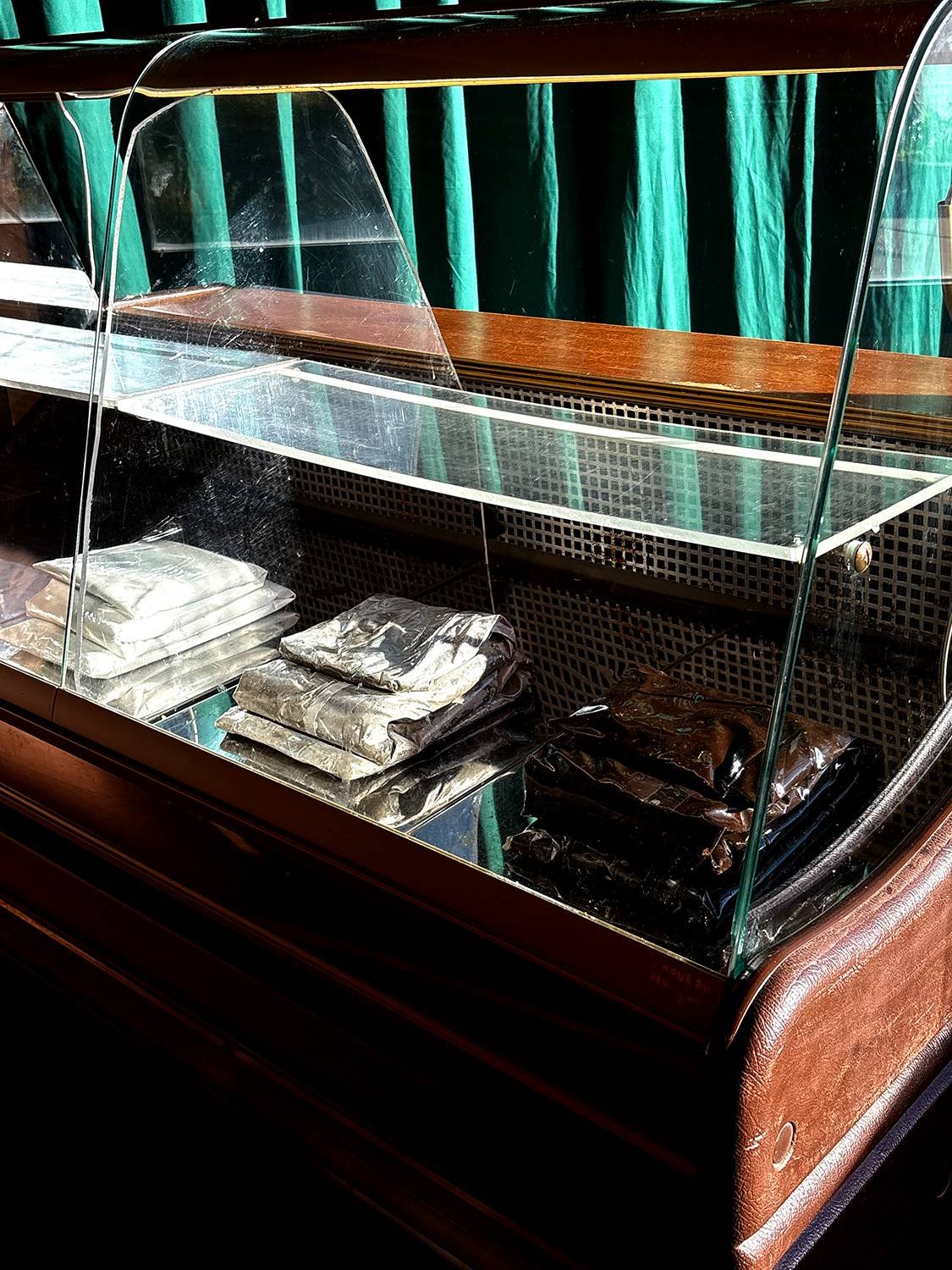
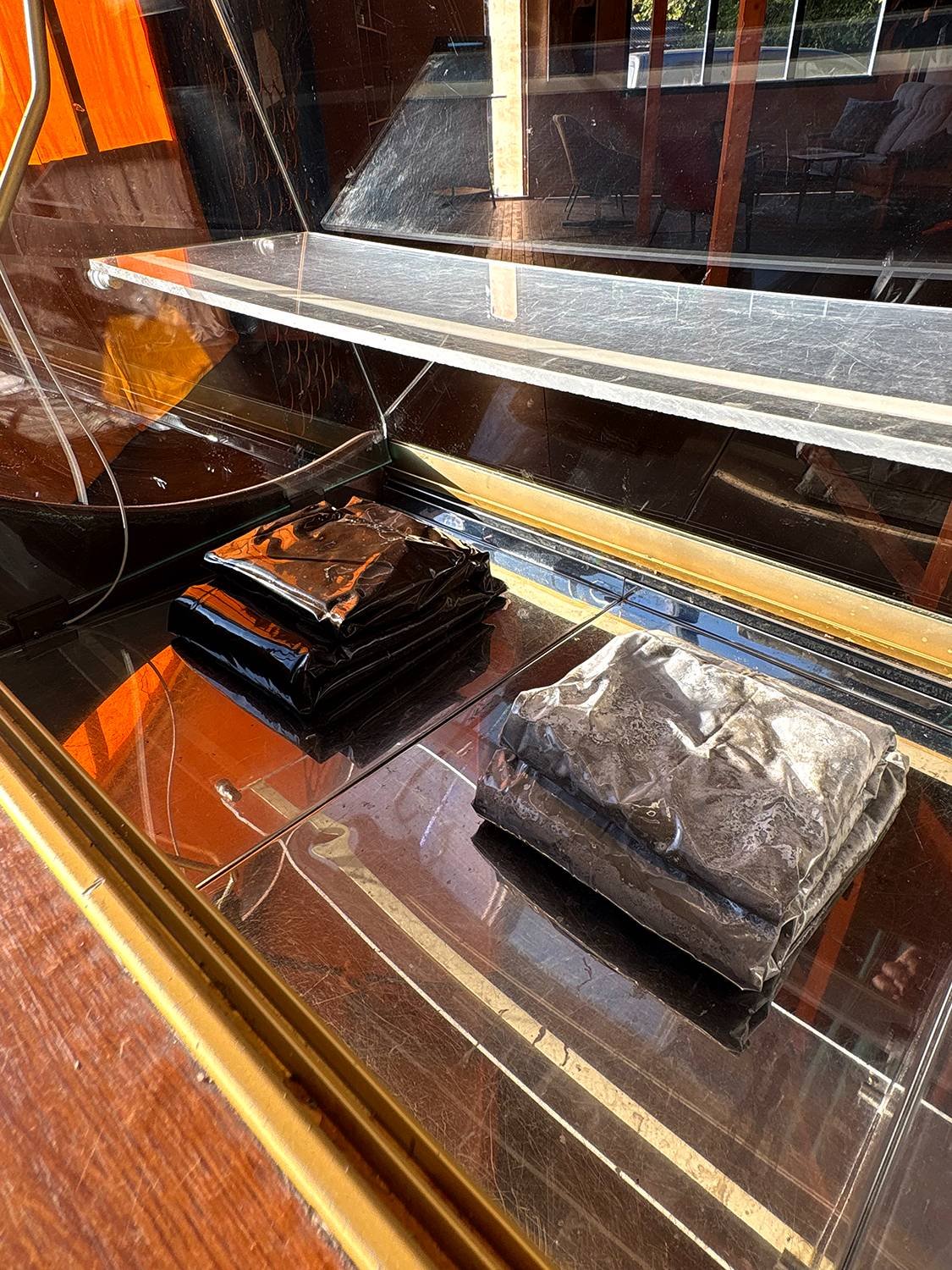
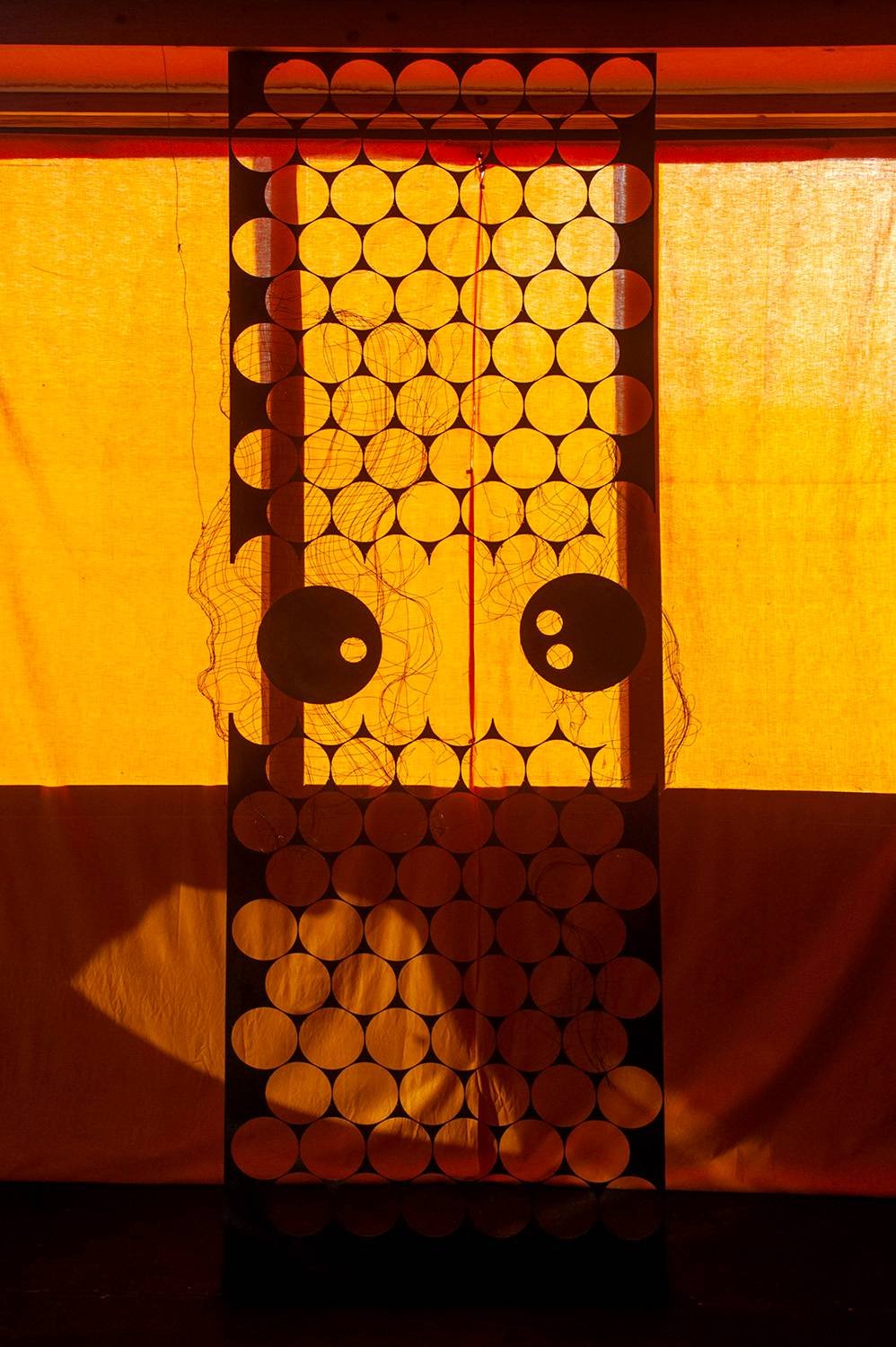
In reference to this seminal project by Kozłowski and Kostołowski, we invited several artists from Poznań to contribute works to an exhibition taking place during Wrocław’s celebration of independent art. We were not interested in commissioning specific pieces, each artist was given complete freedom to choose the work they wished to present. We wanted them to select what they considered their most compelling work.
Our role is limited to acting as intermediaries between the artistic communities of Poznań and Wrocław. We hope to establish a number of connections that might develop into more lasting collaborations, and perhaps, one day, friendships. At the same time, we bring you the best we have to offer. In other words, we bring you gifts . Our exhibition is a potlacz.