

I used to think I could watch TV until I die. I tried it, but it just gave me a headache. Ghosts and all sorts of other interesting things hide within the screens. No wonder we like to look at them.
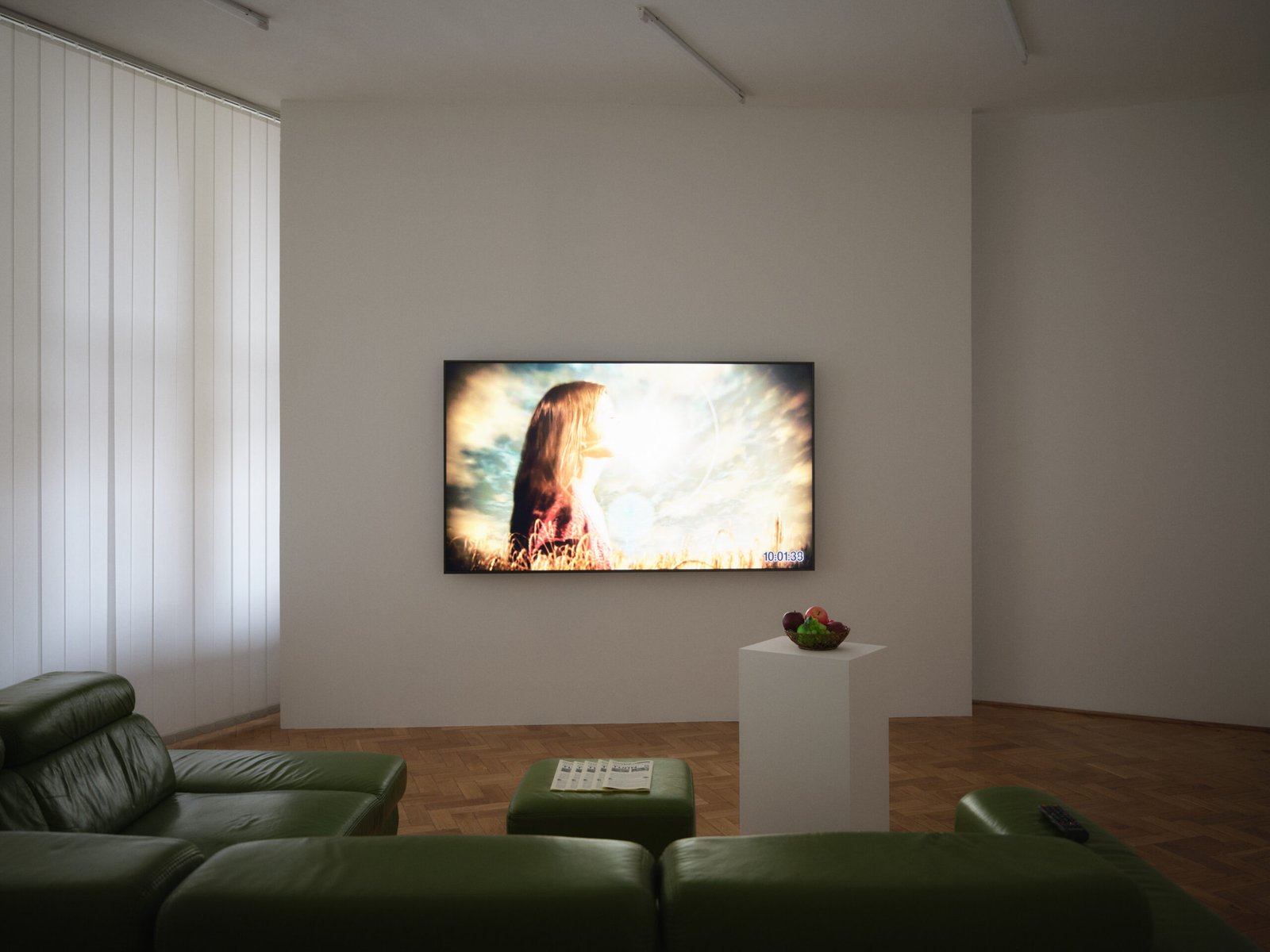
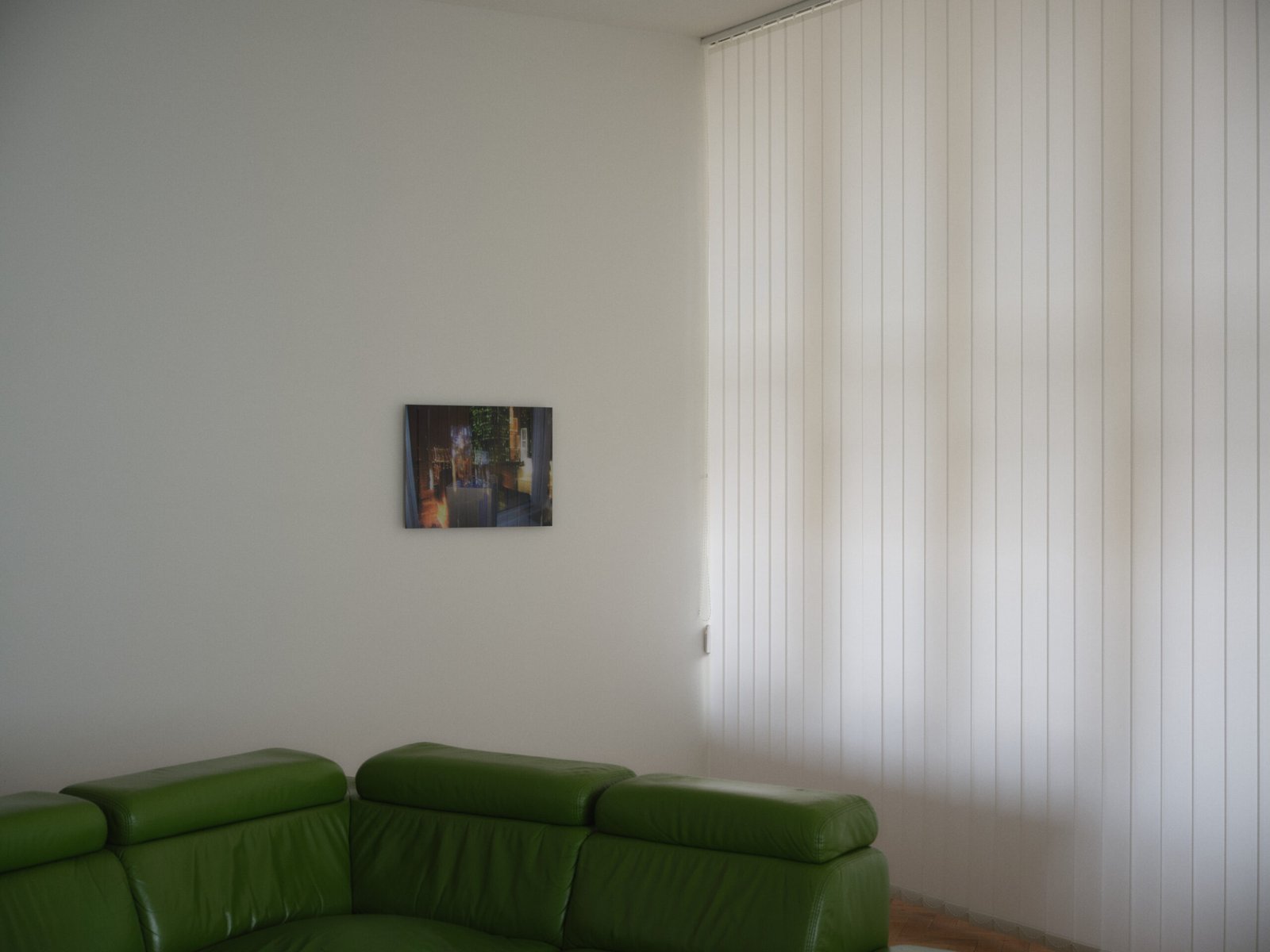
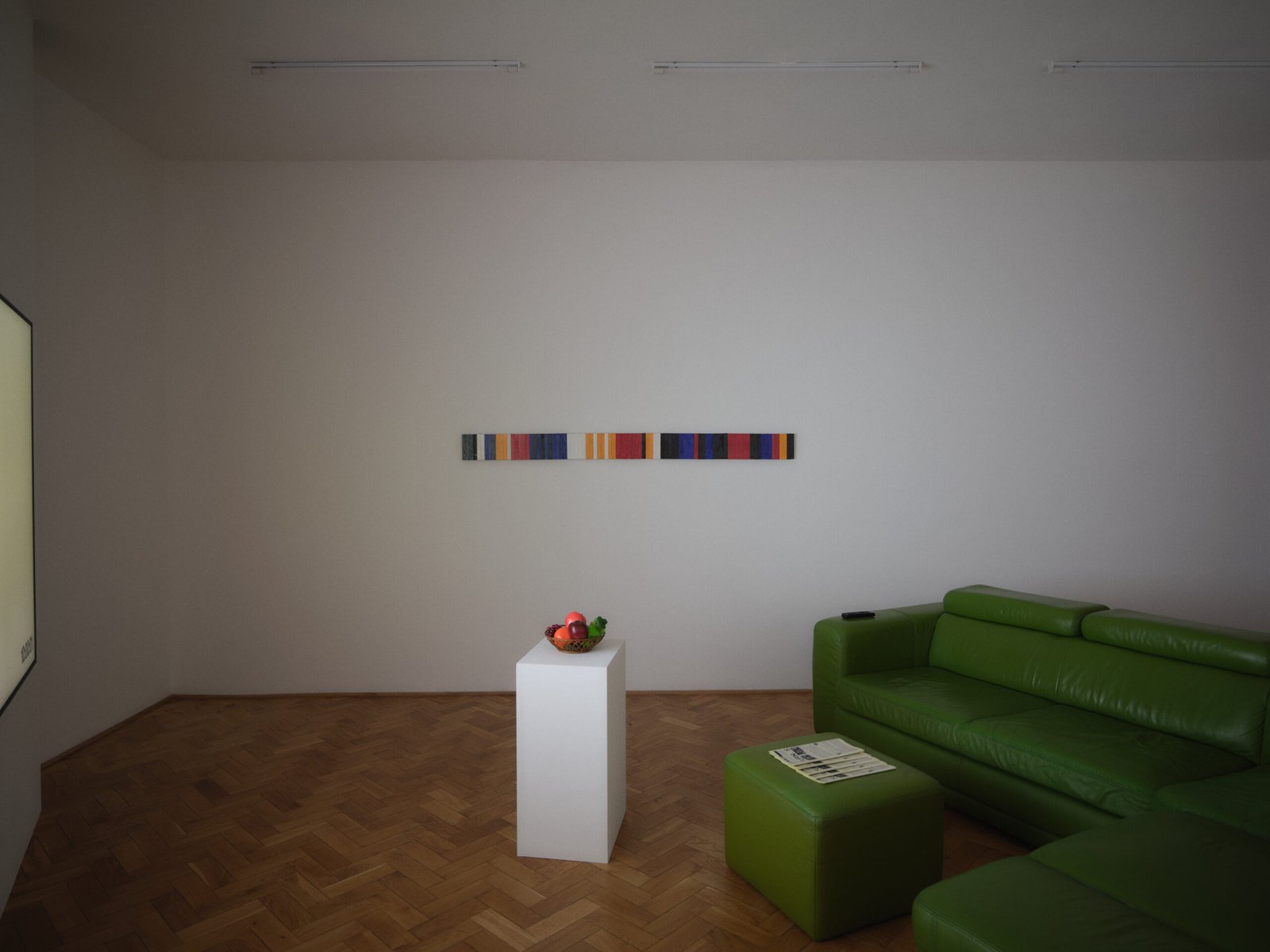
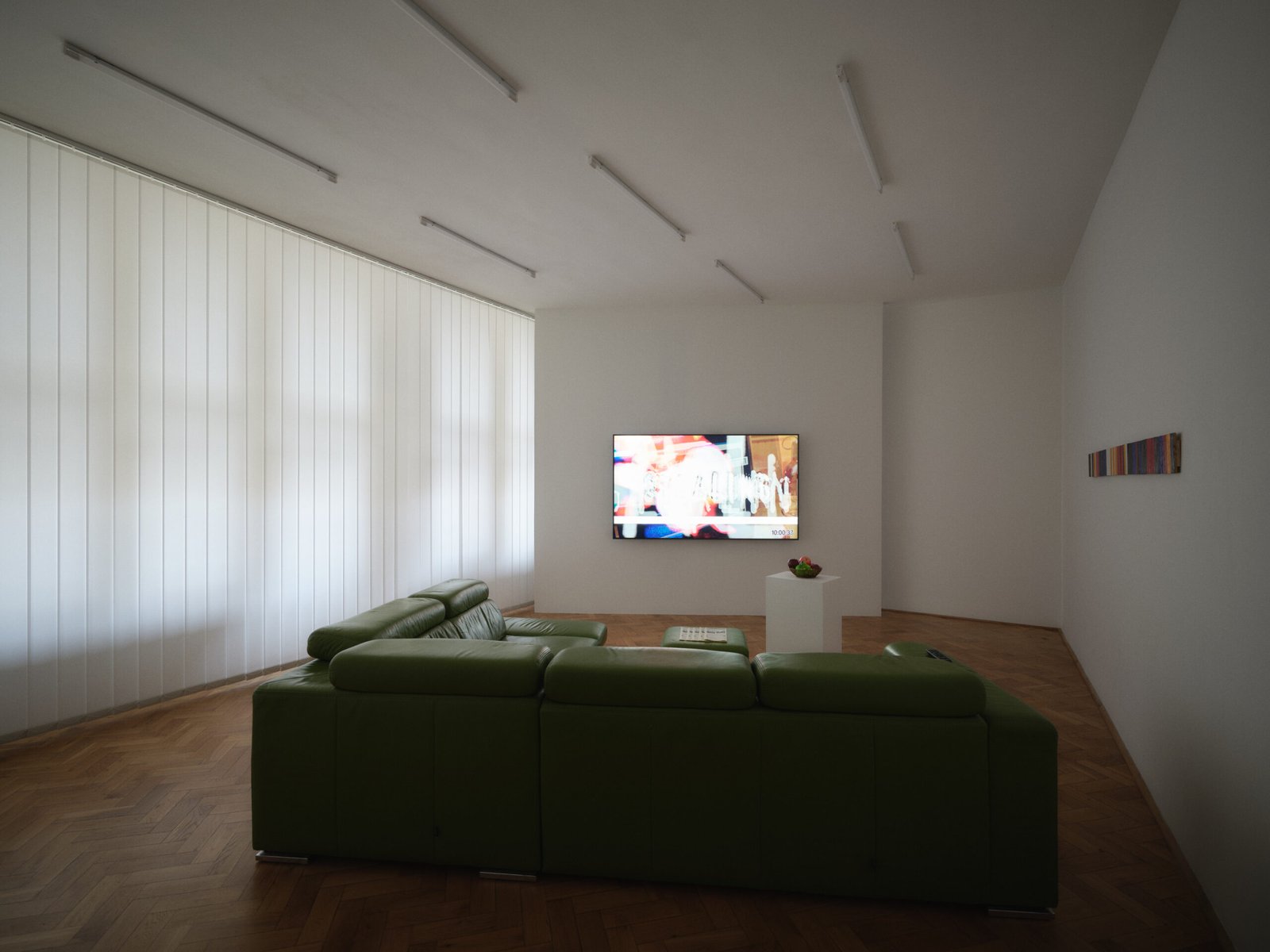
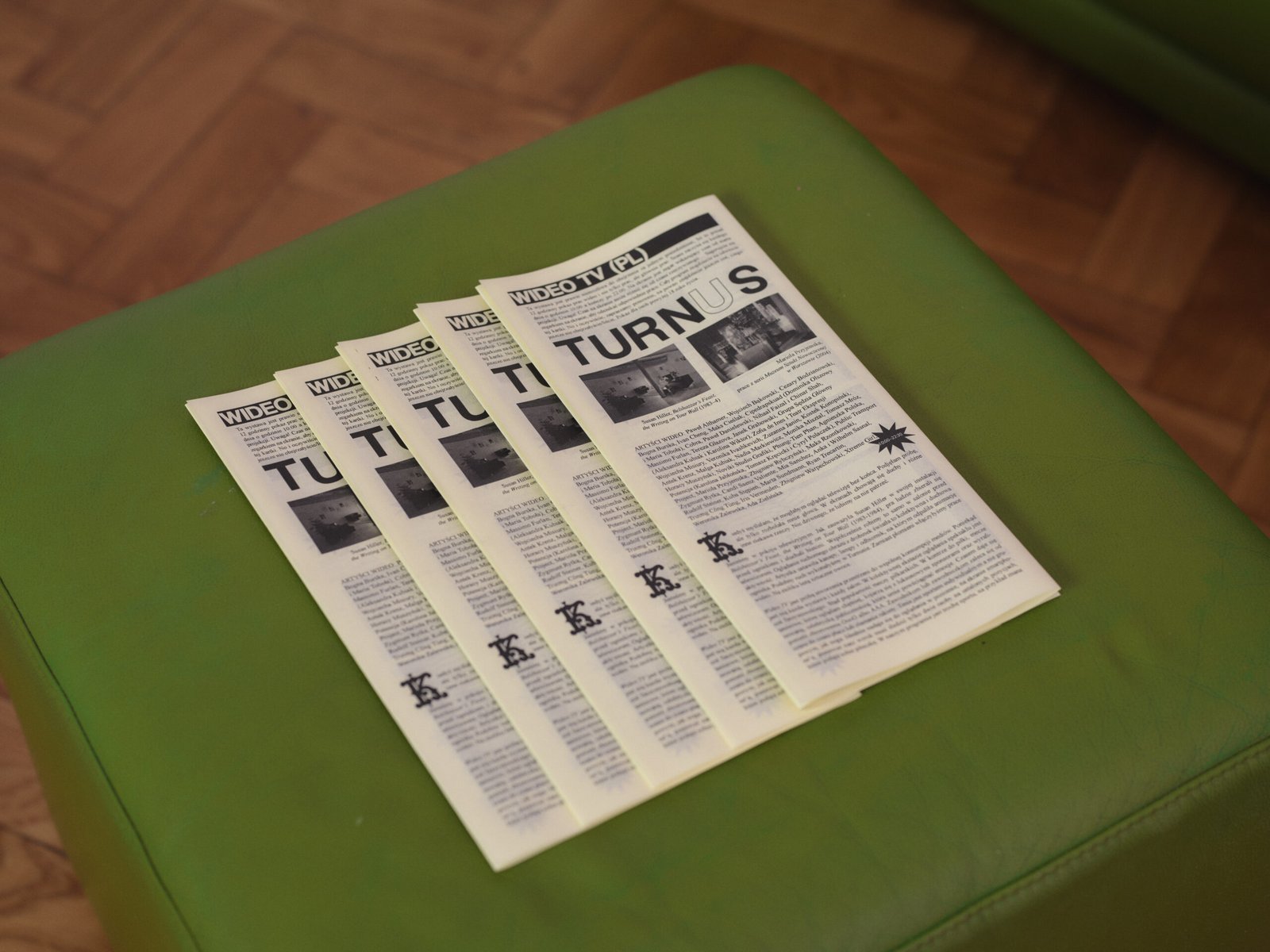
We are in the TV room. As Susan Hiller noted in her installation Belshazzar’s Feast, the Writing on Your Wall (1983–1984), people used to gather around a campfire and listen to stories. Today, we do the same thing in the living room in front of the TV. Watching a moving image made up of specks of light is a collective and spiritual activity. The artist arranged sofas, lamps, and a TV set with an animation of a campfire. We did something similar at Turnus. Instead of flames, we put on video works. On the table we placed artificial fruits.
In Wideo TV we attempt to create a space for shared media consumption. In a way, every exhibition and every living room is just that. There’s something fascist about the collective ecstasy of watching a spectacle, hence the popularity of soccer games. In contrast to soccer, tennis matches – which I prefer to watch – are associated with luxury sponsors and a sophisticated, celebrity-filled audience that knows how to keep its emotions in check. Sometimes, though, one can get carried away by the collective “OooO” or “AAA.” Players are advised to cry or break a racket from time to time. Tennis is an individual sport, not a team sport like soccer. It’s perfectly suited for horizontal viewing on a smartphone screen, since our eyes need only follow two people in fixed positions as they pass the ball back and forth. Our program includes some sports-related works, such as the well-known Walka (2001) by Zuzanna Janin and the performance documentation Boniek! (2007) by Massimo Furlan, created for the finissage of the 10th-Anniversary Stadium in Warsaw. The artist is alone on the field, though he is reenacting a group scenario of a soccer match to symbolically honor this historic space. At the stadium, people used to gather and trade, that is, engage in the most social activity known to this civilization. Selling and watching can now take place in a more individualized manner. We’re a little sad that screens have gotten smaller, thereby, to some extent, killing the collective experience of global events. It’s hard not to feel nostalgic for the television culture of the ’90s or ’00s. On the other hand, social media provides a better and more contemporary platform for humor and all kinds of spontaneous splits than any kind of television content.
We were interested in creating an all-day video presentation structured like a TV program. We looked for works, both old and new, that resembled weather forecasts, sports news, reality TV, commercials, music videos, or that explored the experience of watching television. It quickly became clear that nearly every video work in the world fits into our program, so it could go on indefinitely – or at least as long as screens exist.
The exhibition organizes works of art much like TV programs, or treats TV programs, movies, or phone screens as art. There is a disparity in perceived seriousness between large, medium, and small screens – a disparity that isn’t always accurate. Film, short video, TV series, program, moving image, video, found footage, reel, vlog, broadcast, recording, etc. This broad spectrum is represented by, among others: the teledysk (2014) by the group Cipedrapskuad, feature-length films such as PPPasolini (2015) by Małga Kubiak, and Aleksander (2013) by Anka and Wilhelm Sasnal, alongside works that reference the language of social media, such as Unemployment Diaries (2026) by Kostek Konopiński or Placebo Pets (2016) by Ryan Trecartin, as well as short animations by Antek Krenz (2025/26) and Maks Rzontkowski (2024).
This idea of presenting art as if it were television might seem unfair. We sit down on the couch and grab the remote to not think about anything. Wouldn’t it be wonderful if art worked that way? It’s easier to scroll on the phone for two hours than to watch a two-hour movie. It’s best to do both at the same time. A similar impression arises at exhibitions featuring moving images, especially those that do not recreate a cinema-like setting. It’s impossible not to think about the reluctance or discomfort of watching them, especially when we have a phone waiting for us in our pocket. It’s becoming increasingly difficult to focus our attention on a screen when it adapts to our bodies. I don’t know if watching video works can be as communal an experience as watching a soccer game or breaking news. Perhaps, however, it can evoke similar states of (unpleasant) loneliness – like that caused by late-night doom scrolling – or (pleasant) loneliness – like the kind we feel in a movie theater. Diane Arbus was a photographer of this kind of loneliness.
You wouldn’t steal a car. While preparing the exhibition, we asked ourselves just how far we could stretch the concept of a quotation. On our screen, we show works and non-works that become works, because the exhibition we’re putting together is one big work. Examples of “non-artworks” include videos of wild boars roaming Warsaw, which artist Wojtek Bąkowski posted to his Instagram Story all summer long, or the footage from Mandaryna and Michał Wiśniewski’s wedding in an ice cave in Sweden, broadcast in 2003 by TVN. Artists quote all the time. One of them is Maks Cieślak, whose Visions of Father Joseph (2008) is an alternative history about the space race, created with found footage material. To conclude the exhibition, we’ll show (video art) (2016–ongoing) by Nihaal Faizal – a YouTube playlist currently consisting of over 200 entries. The videos on it are amateur recordings of video installations uploaded to the platform by other users. The first one is 1’31” long and is titled Clown Torture—Bruce Nauman, 1987. It was uploaded to YouTube 17 years ago by dave godowsky. Other videos on the playlist include recordings of works by Jenny Holzer, Nam June Paik, and Anna Molska. Faizal’s work serves as a personal archive but also has an educational and artistic-amateur dimension. It involves sharing content that has been repeatedly duplicated and copied from one medium to another, passed from link to link. Another work by the artist that we feature as part of our daily program is Photocopied Blow Out (2016–ongoing), created in collaboration with Chinar Shah. It is a project in which the duo photocopies Brian De Palma’s 1981 film *Blow Out* frame by frame. Over the course of ten years, they have managed to recreate a little over half an hour of the film, which runs 108 minutes.
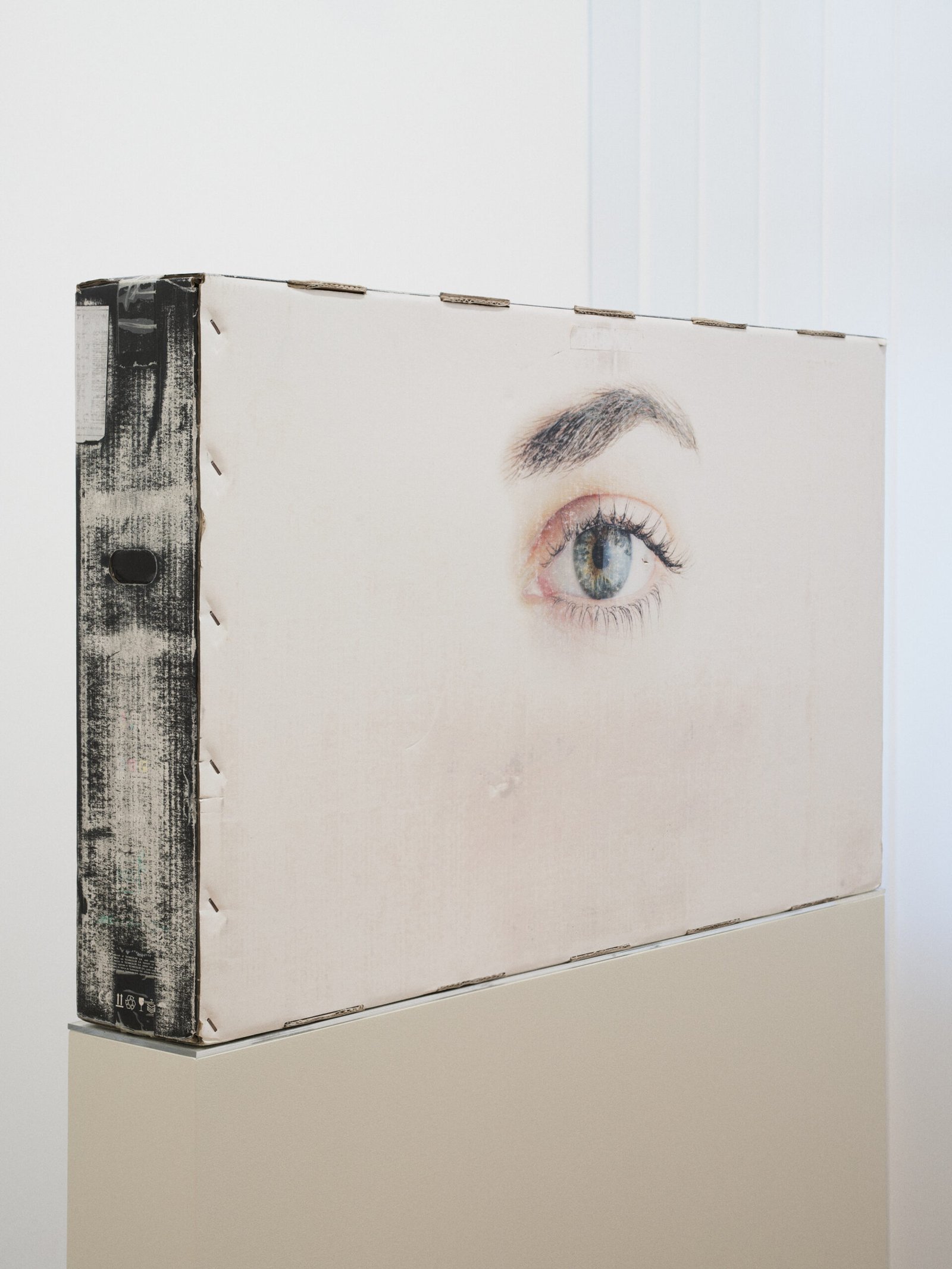
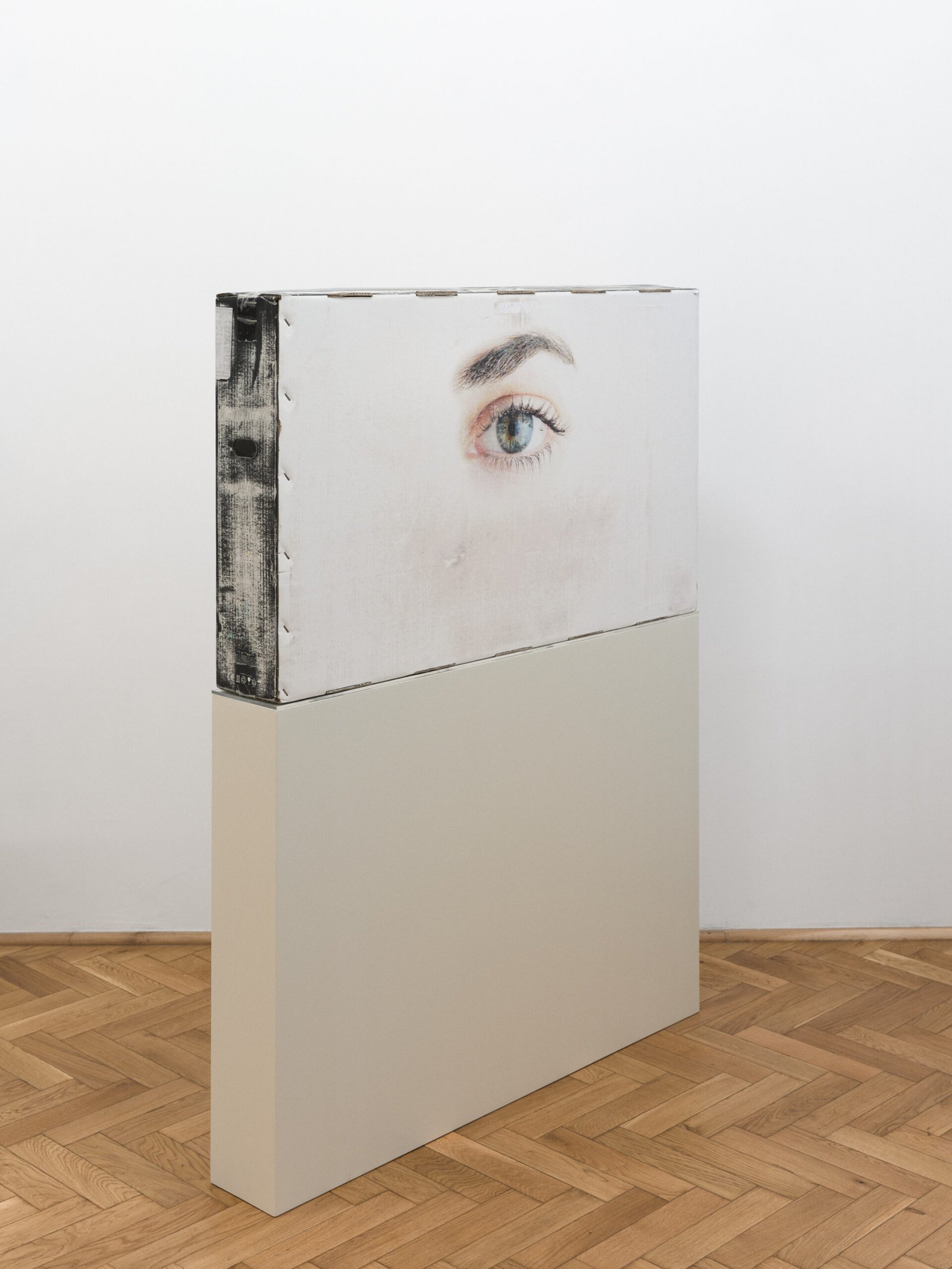
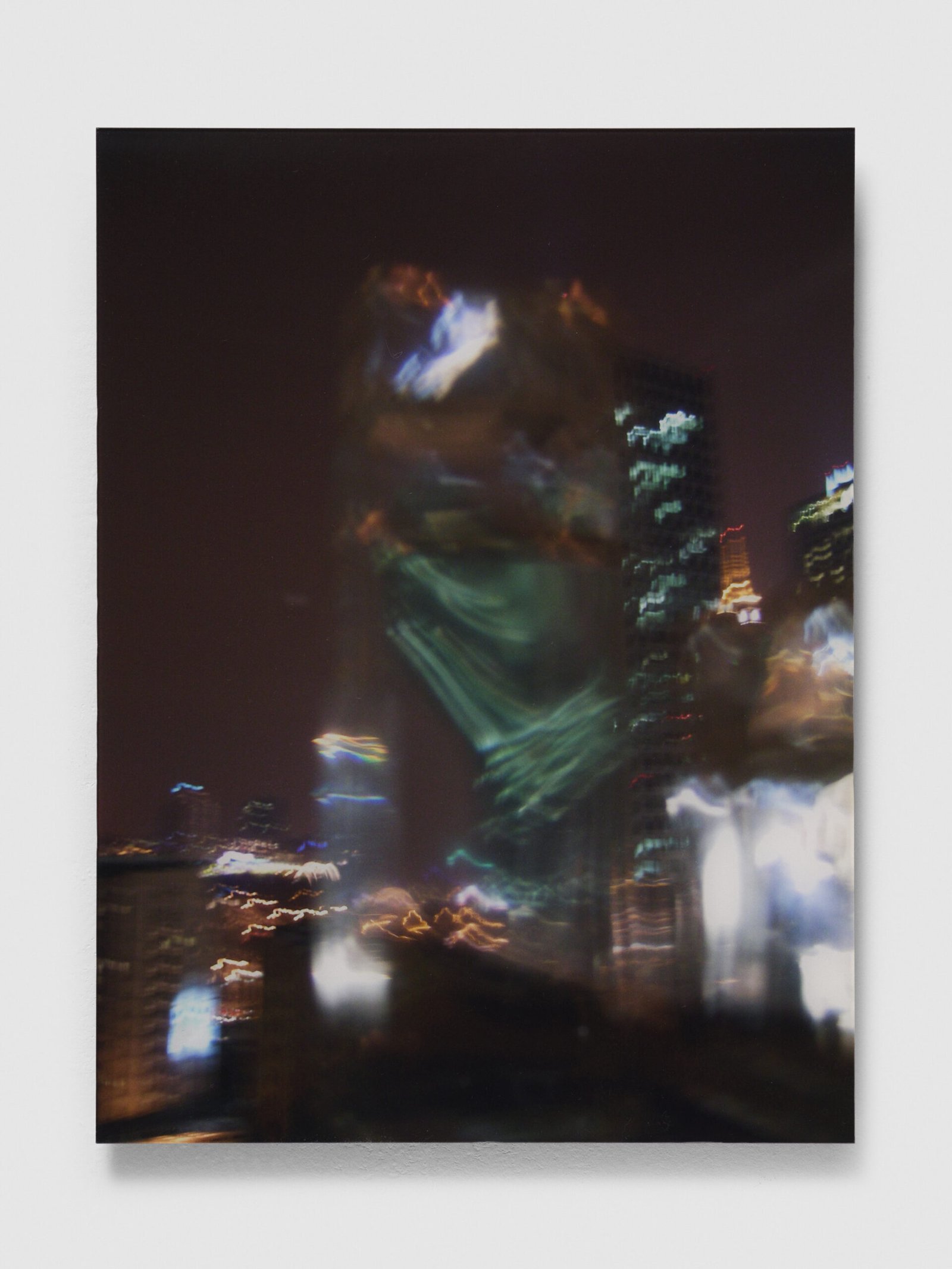
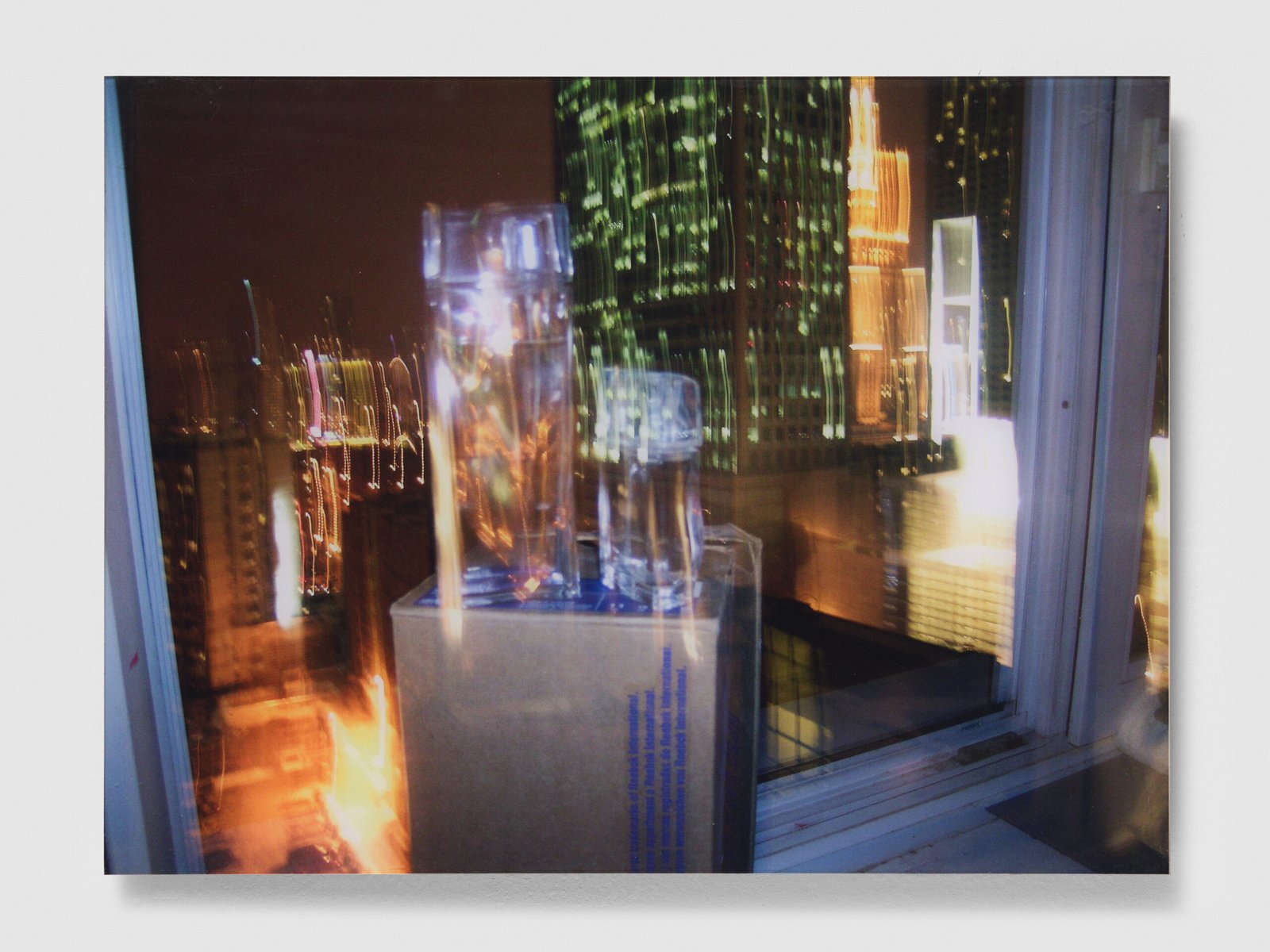
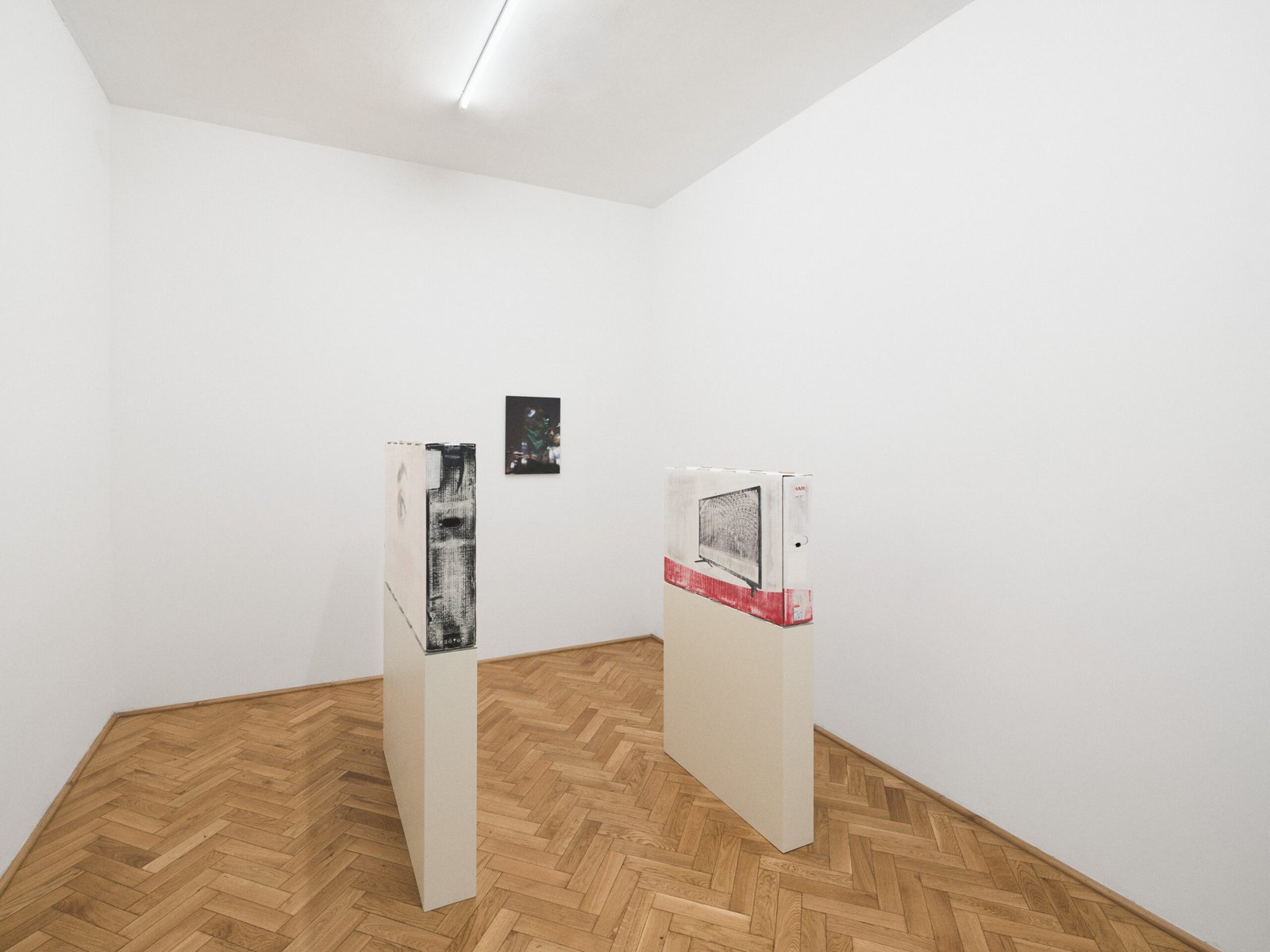
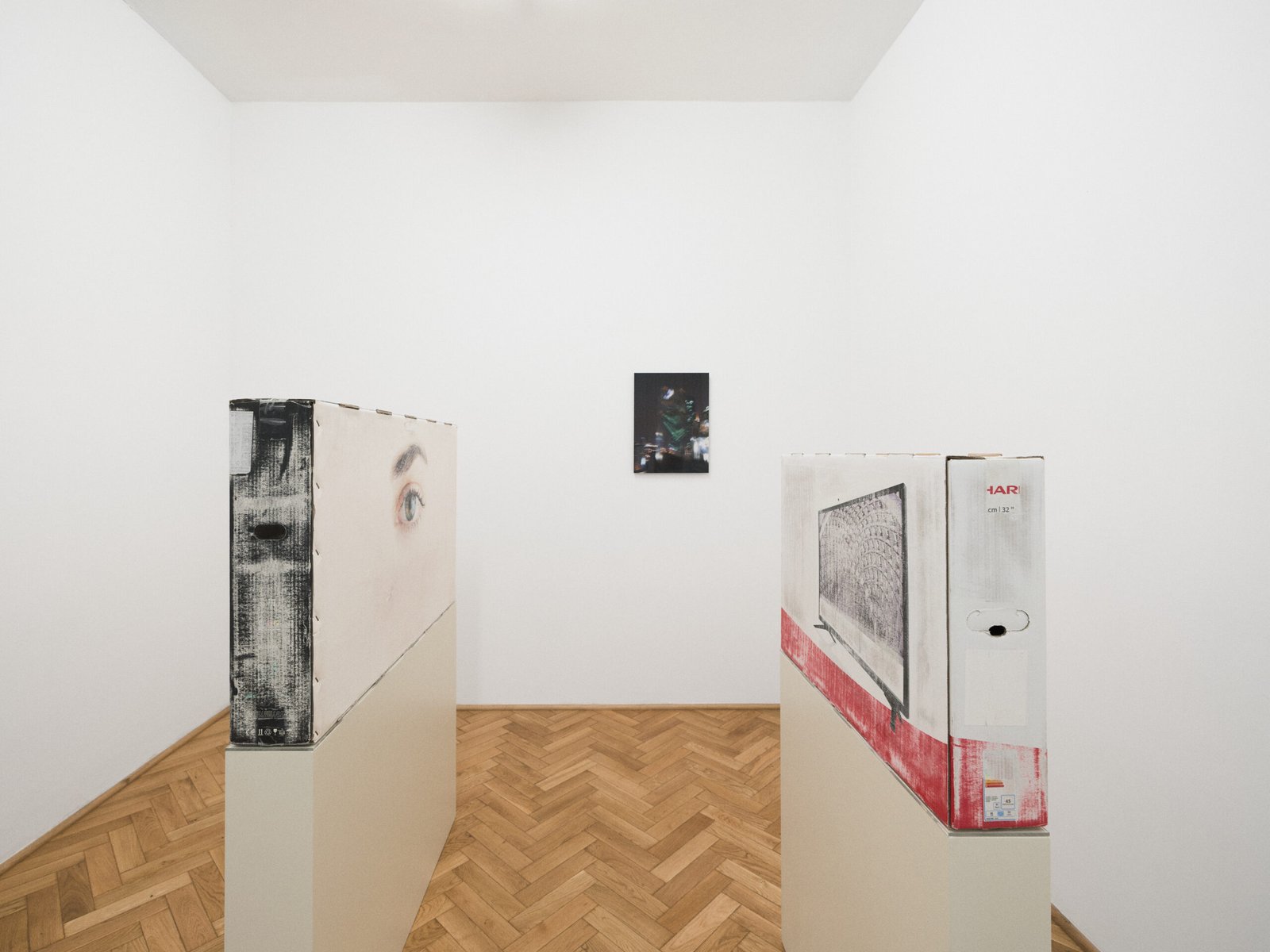
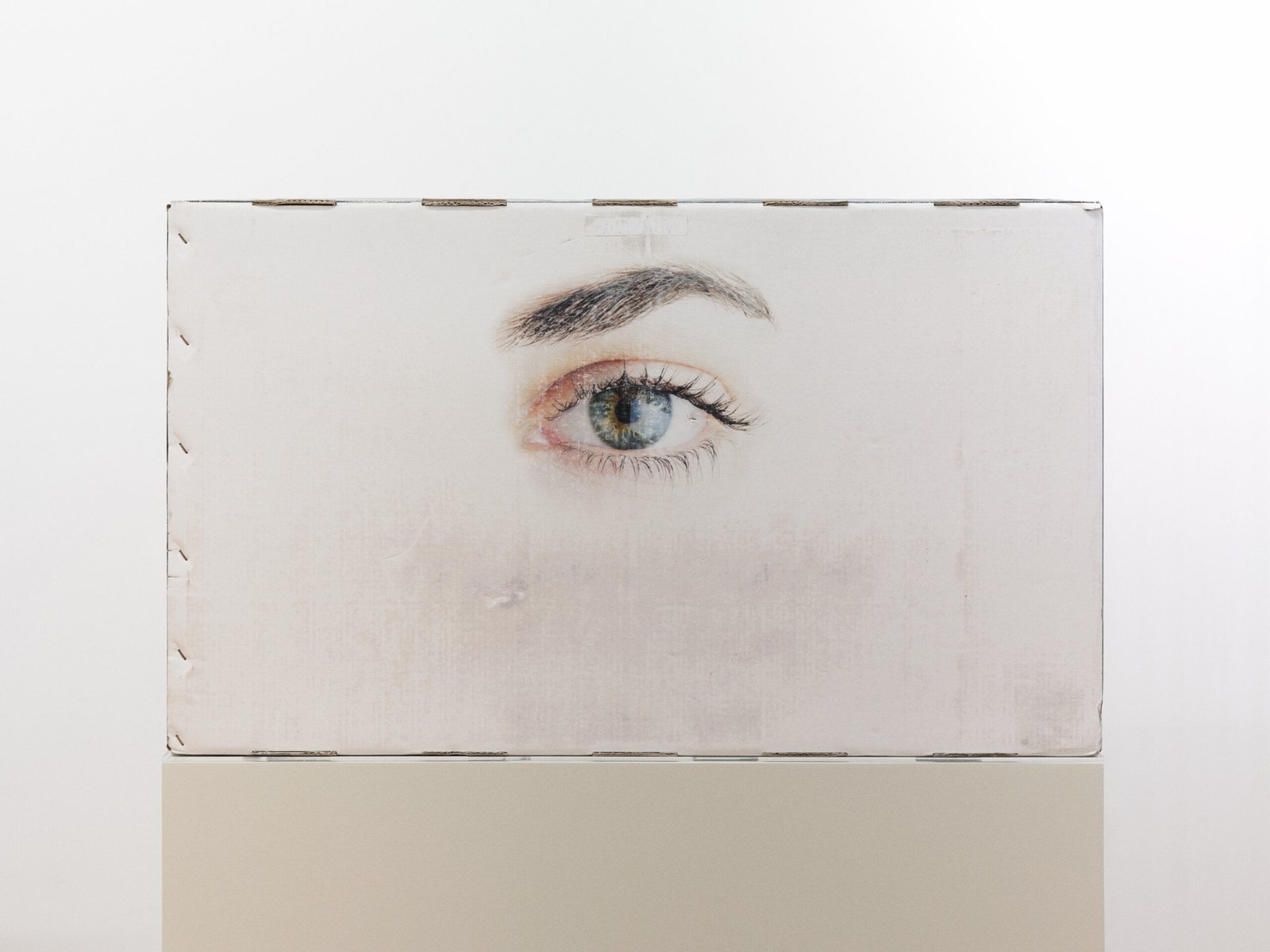
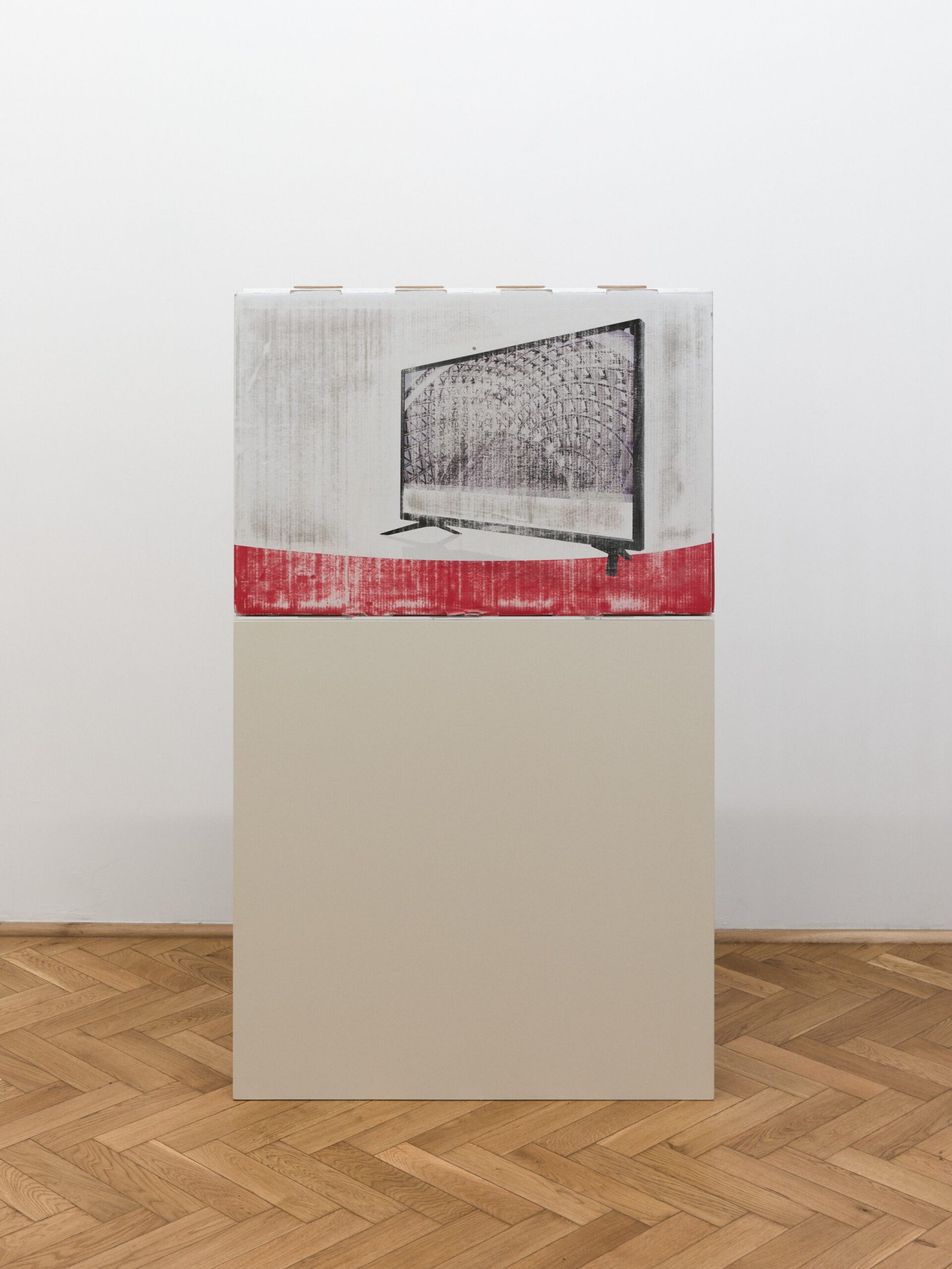
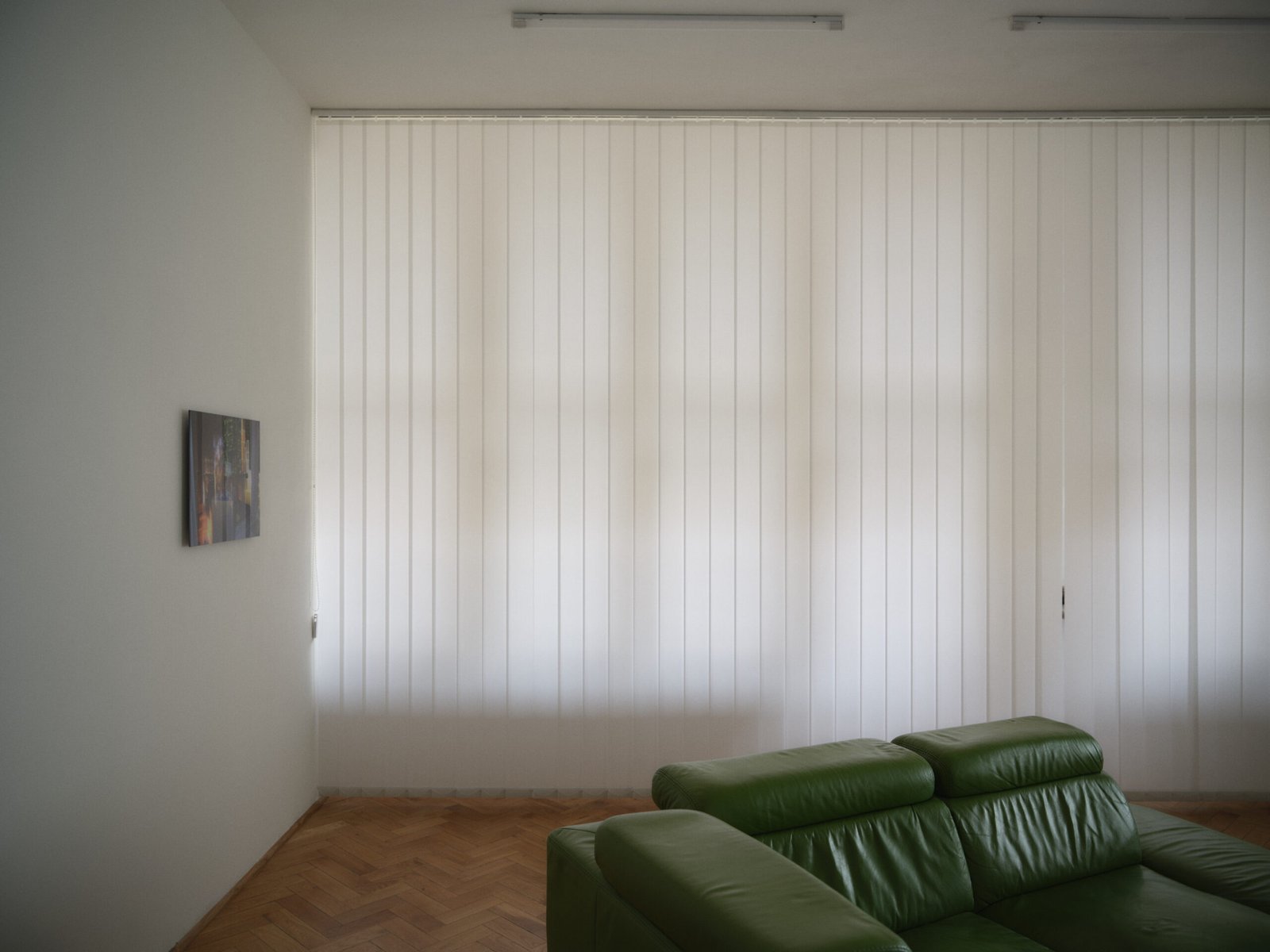
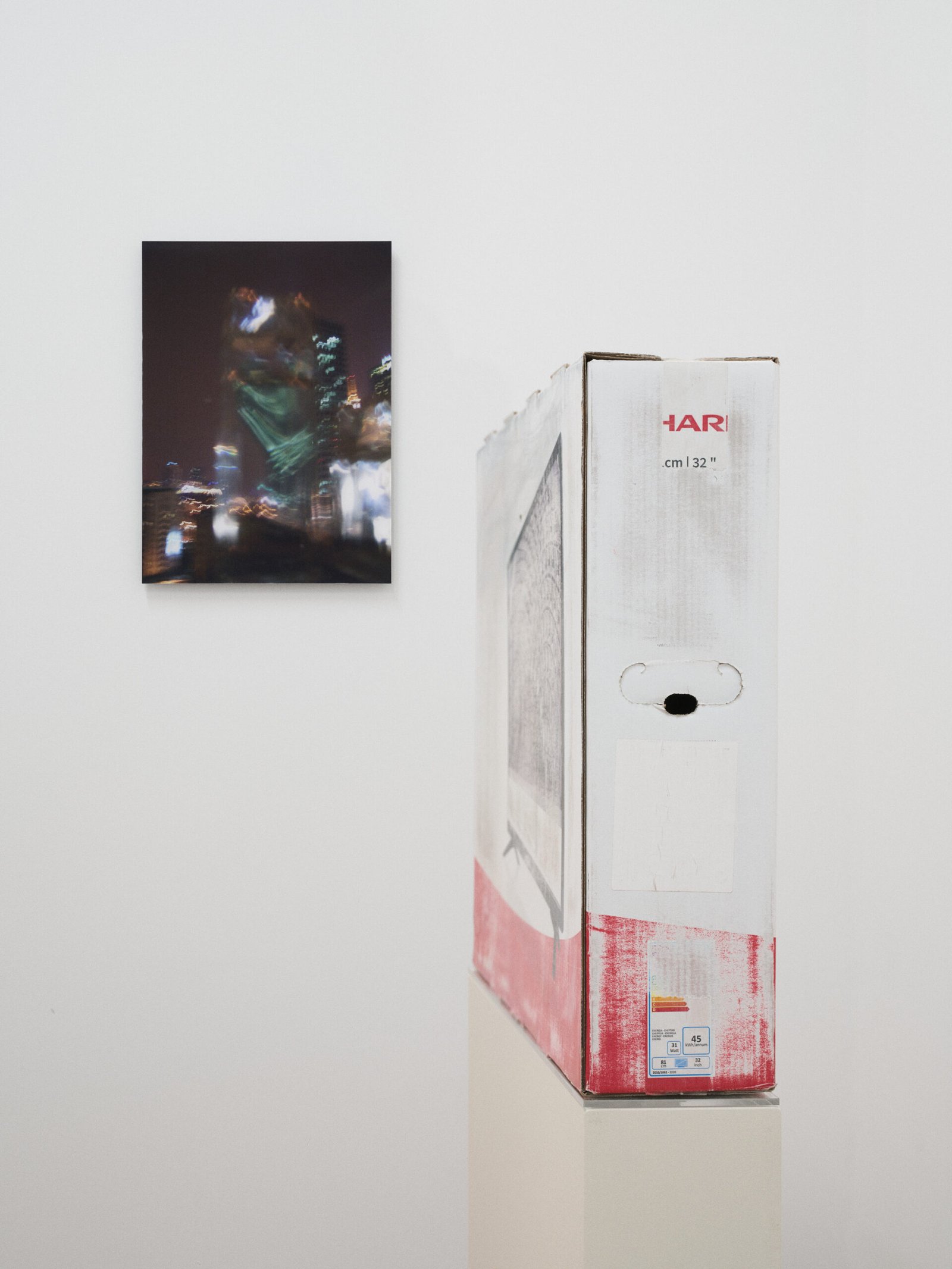
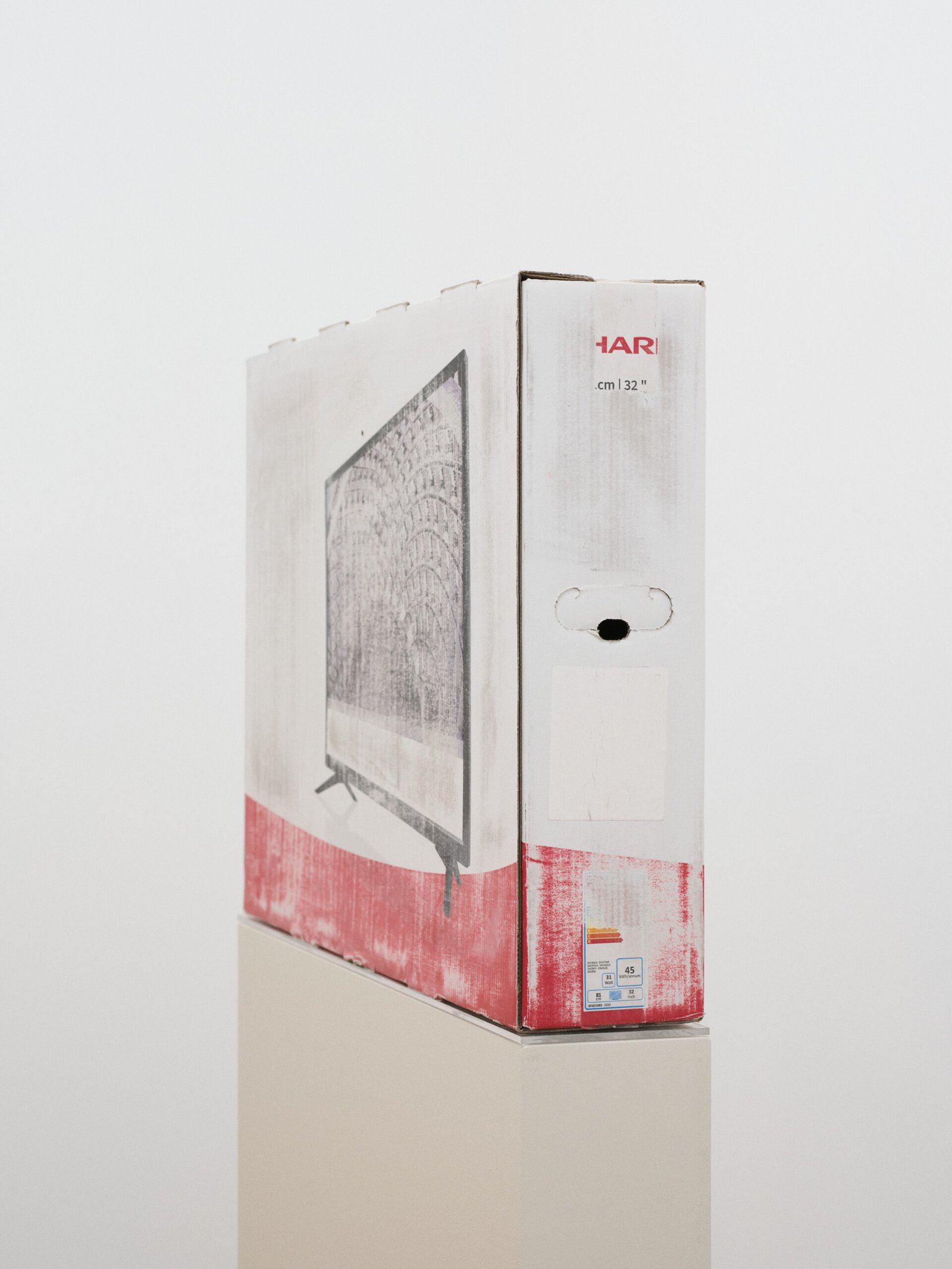
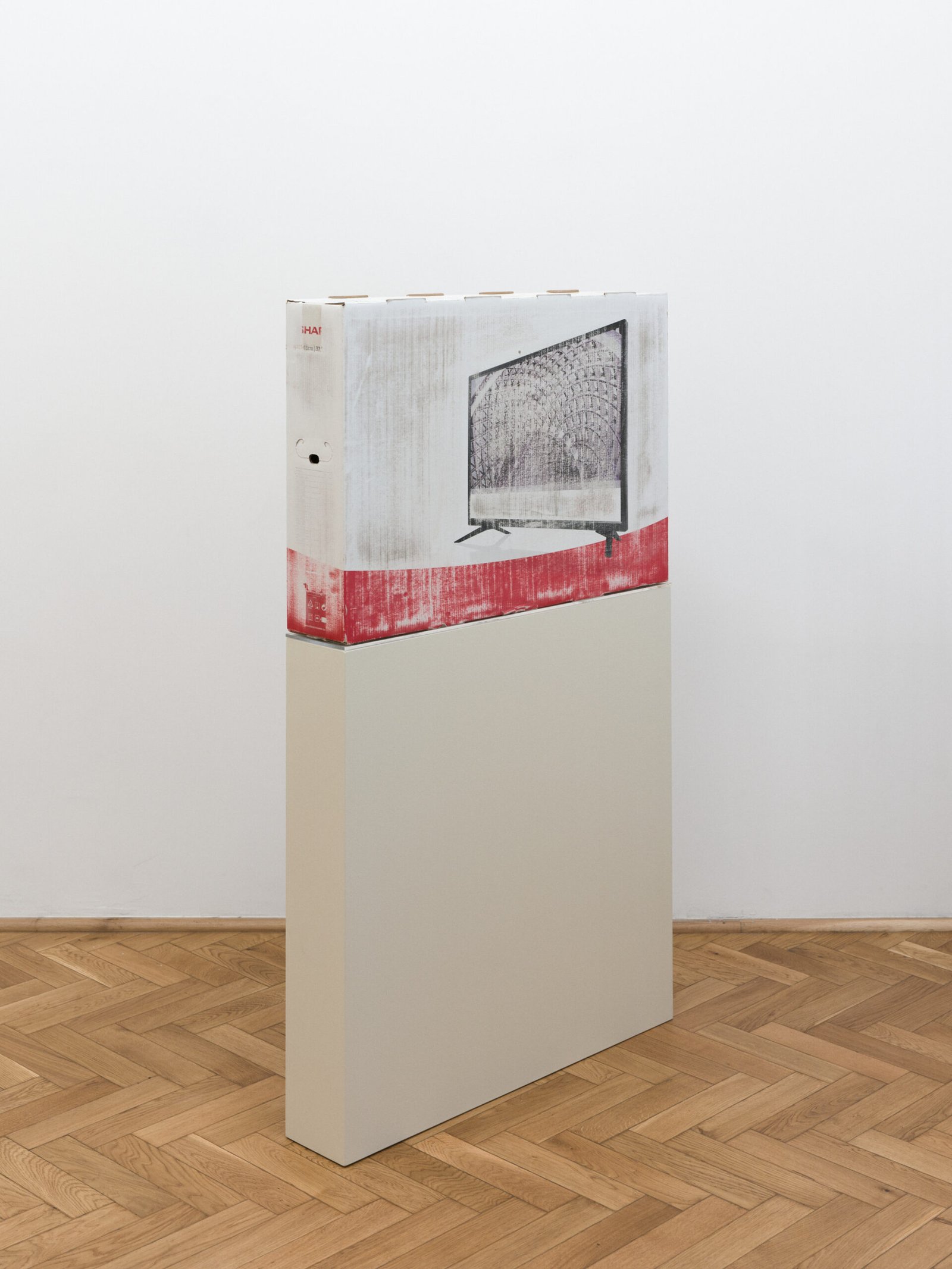
Alongside the video works, we’re also showing photographs, sculptures, and installations that explore the act of viewing. They serve as a setting or backdrop for this passive activity. The cardboard boxes from flat-screen TVs, arranged on platforms by Zuzanna Kozłowska and Julia O. Laszczka, motionless and silent, remind me of Chantal Akerman’s television installations. Their sculptural work, created from a wooden plank titled from Raszków to Olsztyn, from Olsztyn to Paris, from Paris to Berlin, and from Berlin to Warsaw (2026), arrived at Turnus from Raszków via Olsztyn, Paris, and Berlin. Putting together an exhibition is always an experience of collective telekinesis. No wonder people see paranormal phenomena on TV screens. Mariola Przyjemska’s photographs from the Museum of Modern Art in Warsaw (2004) series transport us to imaginary windows within the exhibition space. If we stare hard enough, a wall, a window, a mirror, a photograph, a box, or a varnished piece of wood will become a screen.
Text author:
Weronika Wojda